The Ebola epidemic tearing through the Democratic Republic of Congo is outrunning the response meant to contain it, the international medical charity Medecins Sans Frontieres (MSF) warned on Wednesday, calling for governments and aid agencies to urgently scale up resources as confirmed infections approach 2,000.
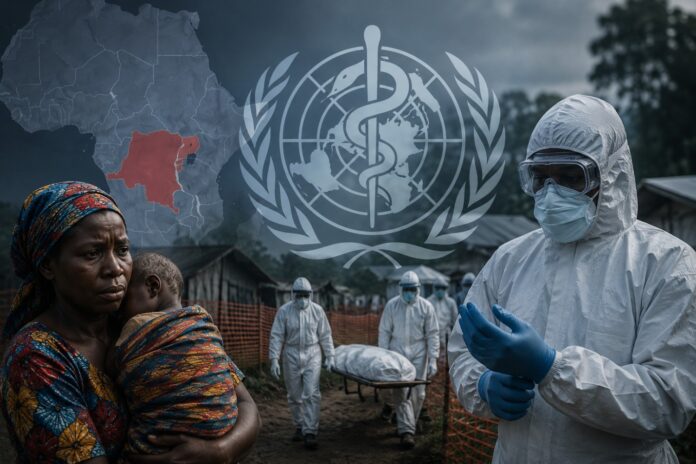
Official figures show the number of confirmed Ebola cases has tripled in under five weeks, reaching 1,926 as of Sunday, including 702 deaths. MSF says that trajectory makes the current epidemic the third-largest Ebola outbreak on record and the fastest-growing one ever documented, a distinction that has alarmed public health specialists watching the crisis unfold in central Africa.
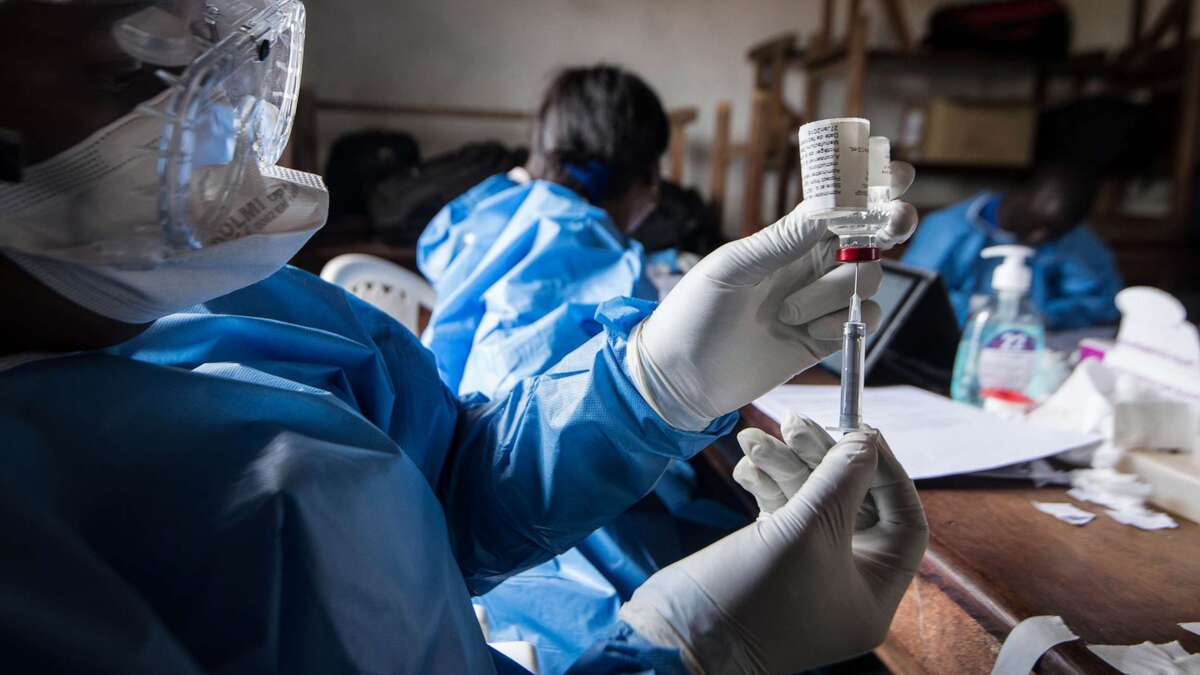
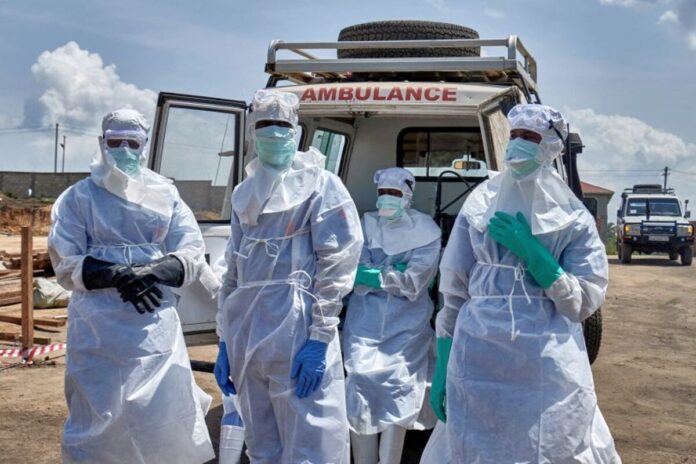
MSF, which operates seven Ebola treatment centres and more than fifteen isolation units across the affected regions of Congo, said the virus is spreading into new areas faster than health teams can respond. The charity’s emergency programme manager, Trish Newport, said every day of delay allows the virus to gain more ground. “Every delay costs lives. We are still chasing the outbreak instead of staying ahead of it,” Newport said, calling for better-coordinated international action to strengthen Ebola care across the country.
MSF has raised particular concern about the outbreak’s spread beyond urban centres, where healthcare infrastructure is already thin. Communities in more remote areas are facing what the charity describes as inadequate support, with limited access to medical care and an overstretched surveillance system that is struggling to track new Ebola infections as they emerge. Without stronger surveillance, aid workers warn, cases can go undetected long enough to seed further transmission chains.
The World Health Organization said last week that the outbreak remains in an expansion phase, driven in part by population movements between communities and delays in patients seeking or receiving treatment. Displacement linked to regional instability has complicated efforts to trace contacts of confirmed Ebola patients, health officials say, as families move between towns in search of safety or supplies.
Adding to the pressure on the response, the United States administration is blocking American citizens in Congo from travelling to the United States on commercial flights, according to a White House official, a measure introduced amid concern over the outbreak’s spread.
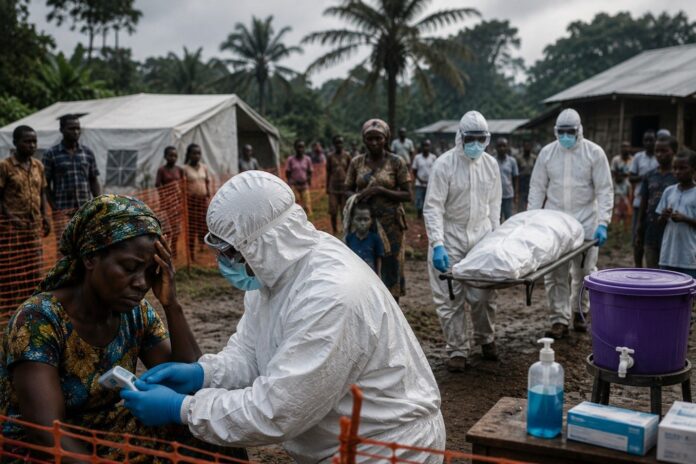
MSF said that surveillance, testing capacity, and safe and dignified burial practices all urgently need additional resources. Unsafe burials have historically been a major driver of Ebola transmission, since the virus remains present in the bodies of the deceased and traditional funeral practices can expose mourners to infection.
“In Mongbwalu, we are seeing the deadly human consequences of these gaps every day,” said Ayokunnu Raji, a medical doctor and MSF’s medical programme manager in the area. Raji said patients frequently arrive at treatment centres already in critical condition, with little chance of survival by the time they receive care, underscoring the urgency of getting help to remote communities before Ebola symptoms become severe.
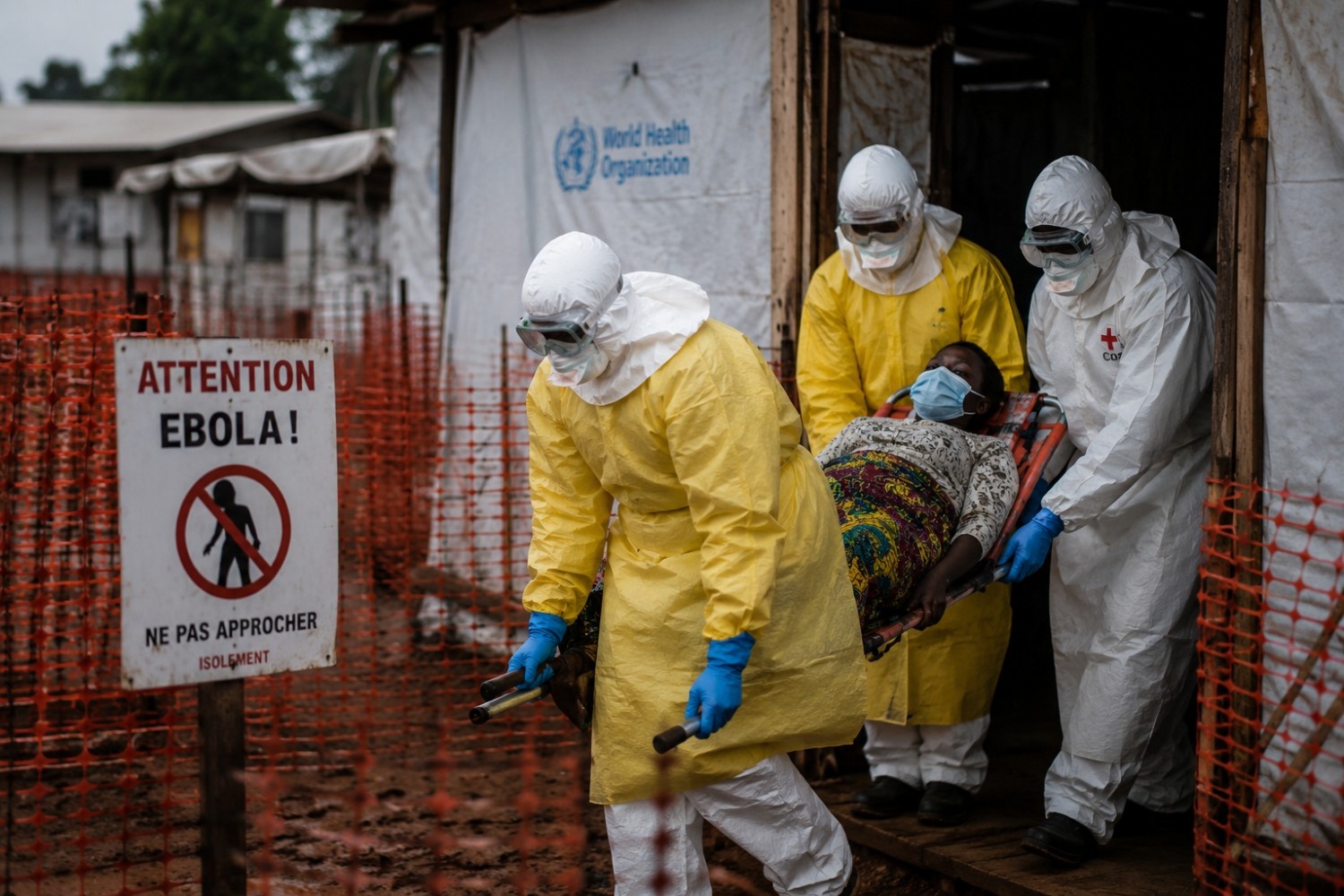
Health officials say the coming weeks will be decisive in determining whether the outbreak can be brought under control or whether it continues to accelerate. MSF is pressing donor governments and international health bodies to move quickly, warning that without a substantial scale-up in treatment capacity, trained personnel and community outreach, the Ebola crisis in Congo risks growing further before it can be contained.