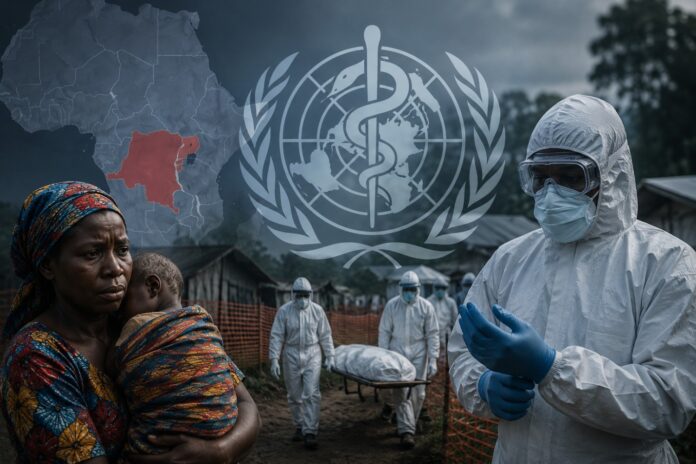
According to reports, health teams trying to stop the spread of Ebola are encountering open hostility from the very communities they are trying to protect in the Democratic Republic of Congo. Two weeks ago, Kpangba became the first camp in this part of the country to record deaths linked to the outbreak, and the response since then has been hampered at almost every turn.
The current outbreak, caused by the Bundibugyo strain of the Ebola virus, was officially declared by Congo’s health ministry on May 15. It is the seventeenth Ebola outbreak recorded in the country and arrived only months after the previous one was declared over. The World Health Organization quickly classified it as a public health emergency of international concern, and the Africa Centres for Disease Control and Prevention followed with its own emergency declaration. By June 12, the health ministry reported 676 confirmed cases and 136 confirmed deaths, with more than 260 patients in isolation. The vast majority of cases, 629, have been recorded in Ituri province, though smaller numbers have also emerged in North Kivu and South Kivu.
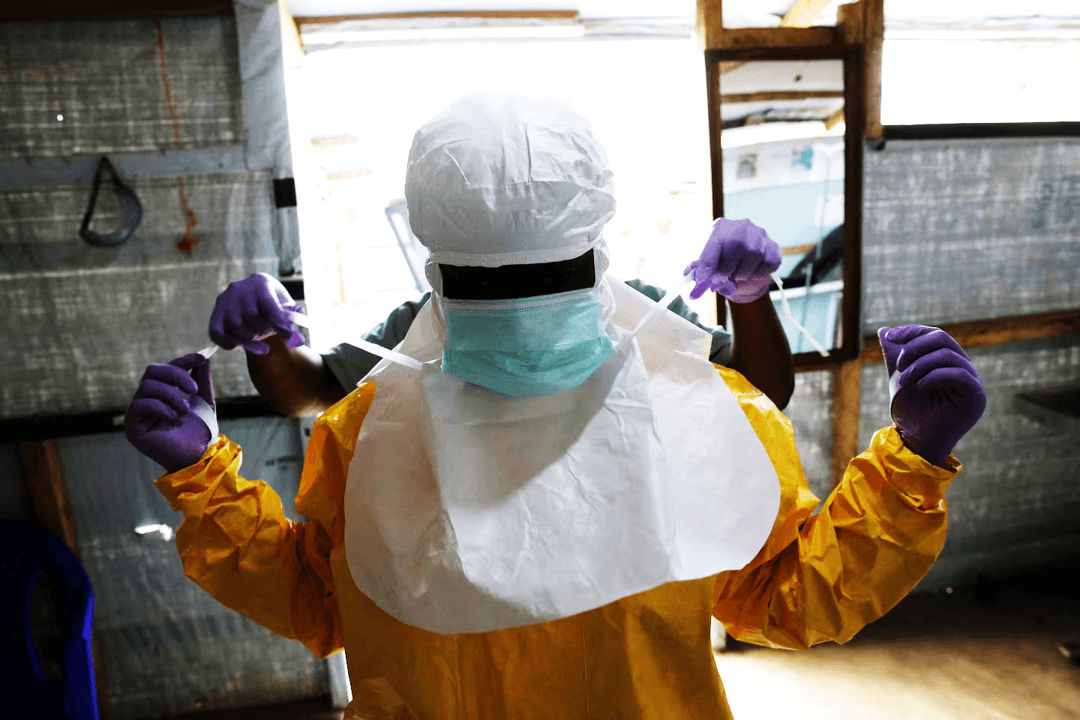
In Kpangba, after two women died, health workers from the provincial health ministry, the World Health Organization and other aid groups moved quickly to identify everyone who had been in contact with them. Their hope was to break the chain of transmission before Ebola could spread further through the camp. Instead, they were driven away by residents who refused to accept that the women had died of Ebola at all.
Jean-Claude Lonzama, the chief doctor for the local health zone of Nizi, said the team has since been unable to trace any of the contacts linked to those two cases, leaving health authorities essentially blind to how far the virus may already have travelled inside a camp that is home to roughly 30,000 people.
The mistrust did not appear overnight. Communities across Ituri, North Kivu and South Kivu have endured decades of armed conflict, and more than five million people across the three provinces have been displaced from their homes. Many residents view government officials and foreign aid workers with deep suspicion, a legacy reinforced by memories of the 2018-2020 Ebola outbreak in eastern Congo, during which armed groups and angry crowds attacked treatment centres and killed dozens of health workers.
Aid officials warn that conditions inside camps like Kpangba make the situation especially dangerous. Hundreds of people often share a single latrine, open defecation is common, and families live in close quarters with little room to isolate the sick. Those conditions could allow Ebola to spread far faster than health teams can respond, in what is already shaping up to be one of the largest Ebola outbreaks ever recorded in the country.
Adding to the challenge, there is no licensed vaccine specifically designed for the Bundibugyo strain behind this outbreak, unlike the Zaire strain for which an approved vaccine already exists. Late last month, the World Health Organization issued emergency guidance permitting the use of that existing vaccine against the Bundibugyo virus, even though its effectiveness against this particular strain remains uncertain. Historical data from earlier Bundibugyo outbreaks suggest the disease can kill between 30 and 50 percent of those infected, underlining the urgency of containment.
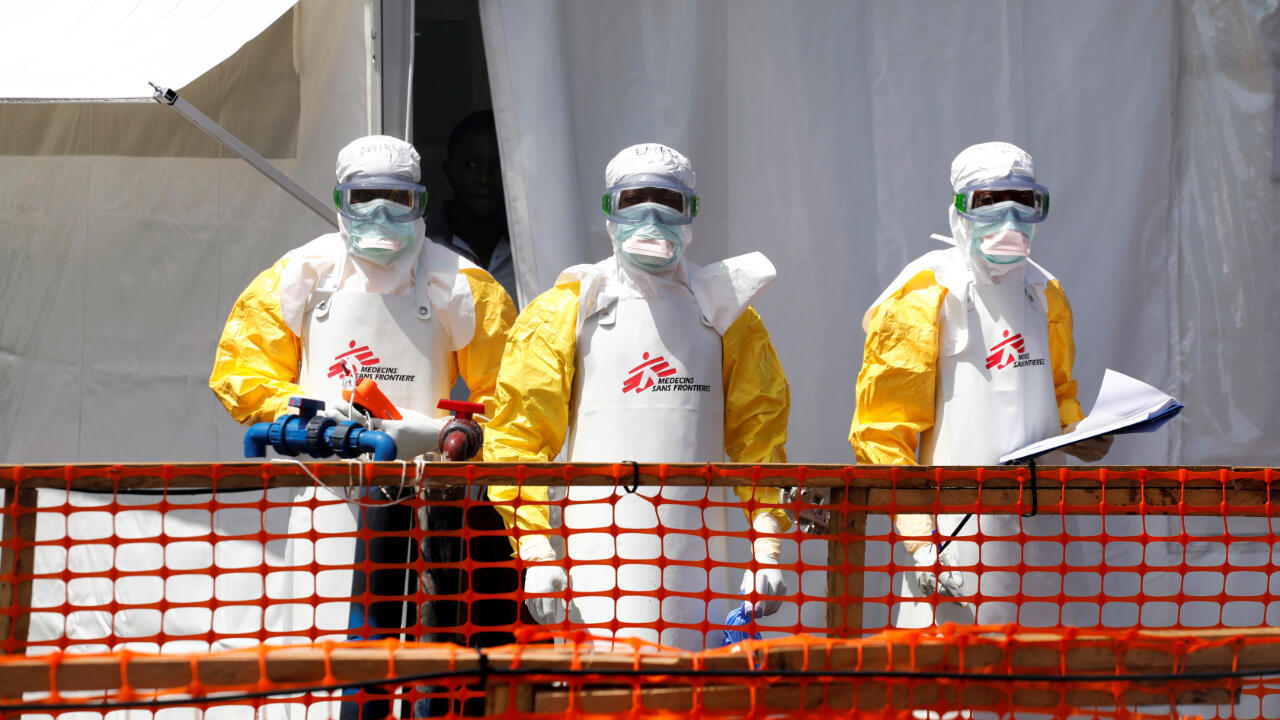
Despite the obstacles, national authorities and international partners say they are pressing ahead with rapid response teams, new treatment centres and community outreach efforts intended to rebuild trust. But in areas where armed groups control checkpoints and front lines shift by the week, even reaching affected communities can take days. Health officials say that until residents in places like Kpangba feel they can trust the teams sent to help them, stopping Ebola’s spread through Congo’s displacement camps will remain an uphill battle.