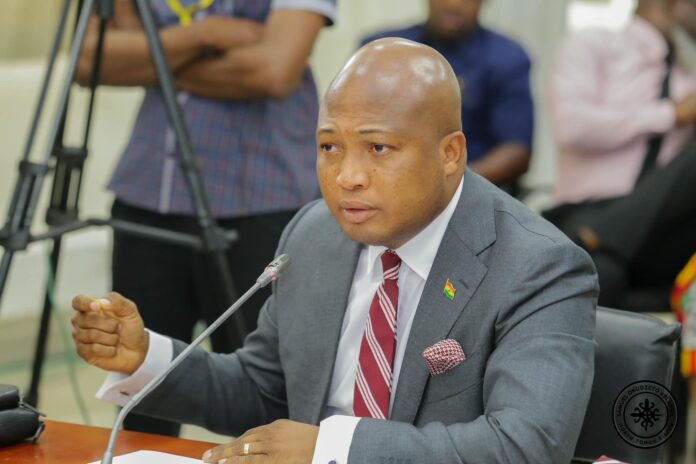
Ghana has taken a firm diplomatic step by formally petitioning the African Union over recurring xenophobic attacks on African nationals in South Africa.
In a letter dated May 6, 2026, Foreign Minister Samuel Okudzeto Ablakwa requested that the issue be placed on the agenda of the AU’s Eighth Mid-Year Coordination Meeting scheduled for June 24 to 27 in El Alamein, Egypt.
The move highlights deep concerns about threats to African unity, free movement, and the safety of citizens living across borders.
This petition comes after weeks of viral videos showing harassment of Ghanaians and other Africans. It reflects growing frustration with repeated incidents that undermine the spirit of Pan-African solidarity and the goals of the African Continental Free Trade Area.
Details of Ghana’s Formal Complaint
The diplomatic note, addressed to the Chairperson of the African Union Commission, describes xenophobic violence as a matter of “urgent continental interest.” Ghana argues that the attacks violate the African Charter on Human and Peoples’ Rights and pose risks to lives, investments, and regional integration.
Key requests in the petition include:
Formal discussion at the mid-year summit.
Establishment of stronger continental mechanisms to protect migrants.
Possible deployment of a fact-finding mission.
Concrete steps to prevent future outbreaks and ensure accountability.
The petition follows earlier actions, including the summoning of South Africa’s acting High Commissioner to Ghana on April 23, 2026. Minister Ablakwa expressed “deepest concerns” over intimidation and harassment captured in widely shared videos.
“We have expressed our deepest concerns over the extremely disturbing xenophobic attacks on Ghanaians and other African nationals. Ghana demands full protection for our citizens and stronger continental safeguards.” — Samuel Okudzeto Ablakwa, Minister for Foreign Affairs.
Triggers: Viral Videos and Renewed Tensions
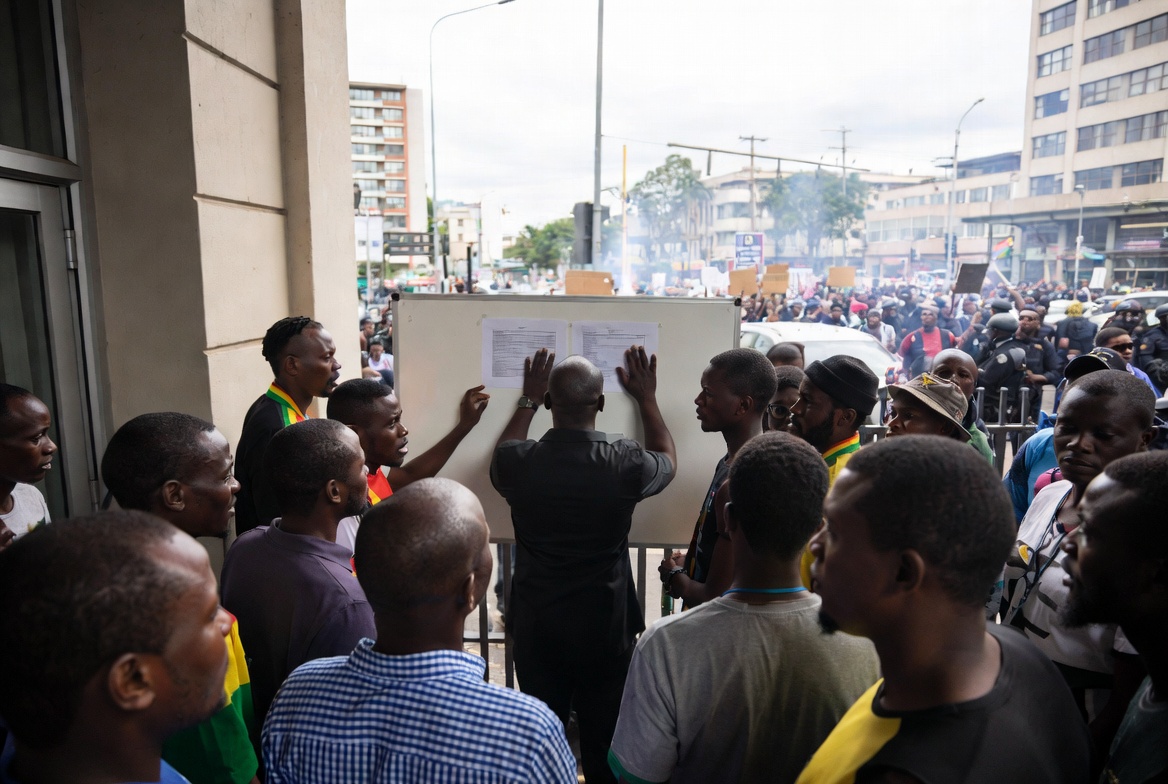
Incidents gained attention in mid-to-late April 2026. One prominent video from KwaZulu-Natal showed a Ghanaian resident confronted by a group demanding proof of legal status.
Despite producing documents, he faced verbal abuse and calls to “go fix your country.” Similar reports emerged from Johannesburg and other areas amid local protests over jobs, crime, and service delivery.
South African authorities have condemned violence and promised investigations and prosecutions. Officials, including Khumbudzo Ntshavheni, maintain that while challenges with illegal immigration exist, there are no systematic xenophobic attacks. Critics argue the distinction fails to address the targeting of Black African foreigners.
Ghana facilitated the safe return of at least one affected citizen. Other nations, including Nigeria, have issued warnings and begun repatriations.
Pattern of Xenophobia in South Africa
Xenophobic violence has erupted periodically since the end of apartheid. Major waves occurred in 2008, 2015, and 2019, resulting in deaths, looting, and displacement. Foreign-owned shops, particularly those run by Africans from other countries, often become targets during times of economic stress.
Ghanaians in South Africa, many engaged in trade and professional services, contribute positively but remain vulnerable. The current wave echoes past patterns: economic hardship, political rhetoric, and social media amplification of grievances.
Xenophobic Incidents and Responses (Selected Years)
| Year | Major Incidents | Reported Deaths | Affected Nationals | Diplomatic Responses | Outcome |
|---|---|---|---|---|---|
| 2008 | Widespread attacks in Gauteng | Dozens | Zimbabweans, Somalis, others | AU statements, bilateral talks | Temporary calm |
| 2015 | Durban and Johannesburg violence | Several | Nigerians, Ghanaians | Strong protests from affected countries | Limited prosecutions |
| 2019 | Renewed shop attacks | At least 10 | Various African migrants | Regional summits | Policy pledges |
| 2026 (Apr-May) | Viral harassment videos, protests | Limited reported | Ghanaians, Nigerians, others | Ghana AU petition, summons, warnings | Ongoing investigations |
Economic and Social Ties at Stake
Ghana and South Africa maintain significant trade and people-to-people links. South Africa exports machinery, vehicles, and consumer goods to Ghana. Ghanaian businesses operate in South Africa, while students and professionals move in both directions.
Xenophobic tensions threaten these bonds. Disruptions could affect investments, remittances, and the broader AfCFTA framework, which aims to boost intra-African trade. Ghana’s petition stresses that unchecked attacks undermine the vision of a united, integrated continent.
South Africa’s Position and Reactions
South African officials have promised crackdowns and emphasized that protests target illegal immigration rather than foreigners broadly. They state they have “nothing to hide” and welcome dialogue. Some leaders have called for calm and better service delivery to address root causes like unemployment.
Other African countries have issued travel advisories. Nigeria has repatriated citizens, while Mozambique’s president held talks with South African leadership. The African Union faces pressure to act decisively to preserve credibility on issues of unity and human rights.
Political parties in Ghana, including the Convention People’s Party, have urged stronger measures, with some calling for potential expulsion threats if the AU fails to act.
 Implications for African Integration
 Implications for African Integration
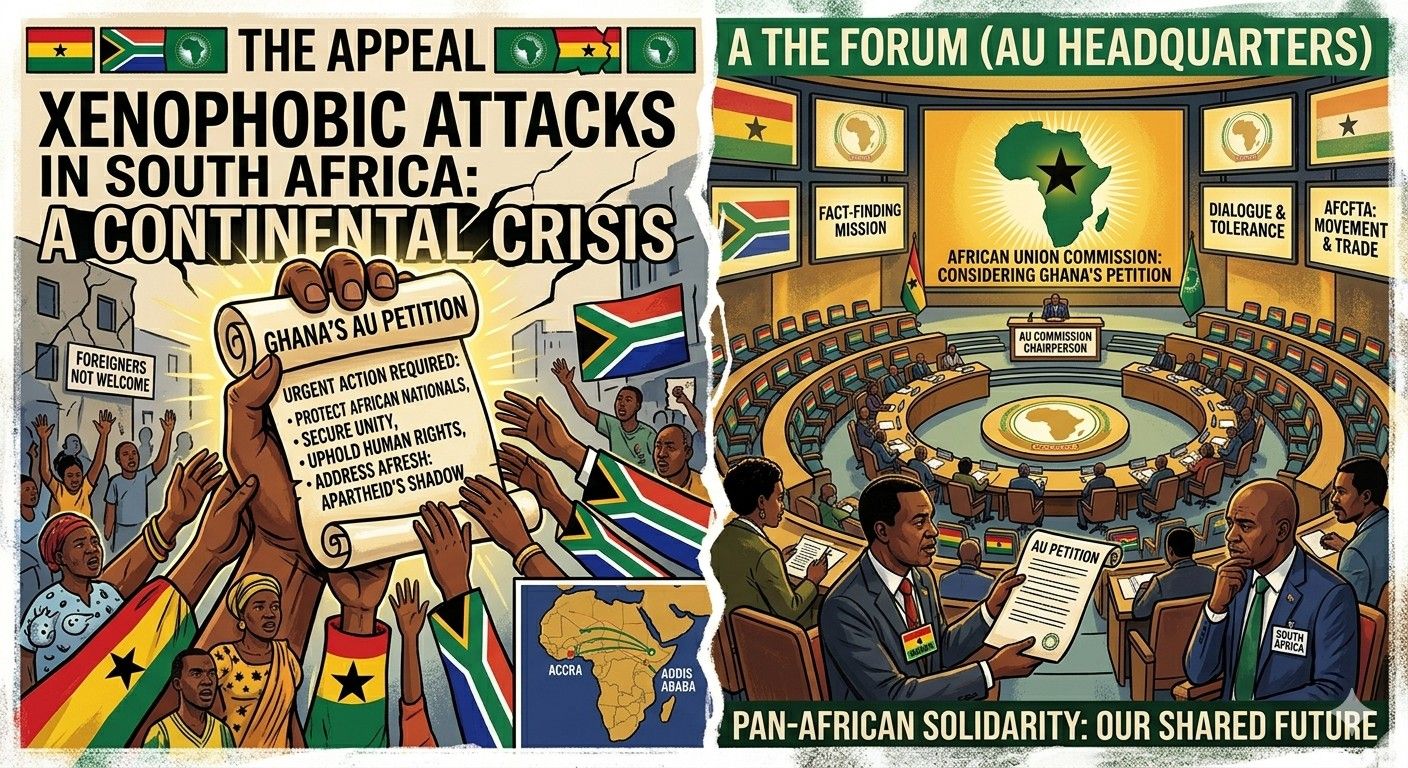
The petition raises fundamental questions about free movement, migrant rights, and continental solidarity. Supporters argue that without protection mechanisms, AfCFTA goals and the African Passport initiative face serious obstacles.
Experts call for comprehensive approaches: better integration policies in host countries, job creation, and enforcement of AU protocols on free movement of people.
“These attacks present a challenge to the shared principles of African solidarity, brotherhood, and continental unity.” — Excerpt from Ghana’s diplomatic note to the AU.
Success at the June summit could lead to stronger monitoring, early warning systems, and accountability frameworks. Failure risks further fragmentation and retaliatory measures.
Challenges and Path Forward
 Challenges and Path Forward
Implementation remains key. Past AU discussions on xenophobia have produced statements but limited enforcement. Ghana’s push for a fact-finding mission could provide independent assessment and recommendations.
Root causes in South Africa such as high unemployment, inequality, and service delivery failures require domestic solutions. At the continental level, clearer guidelines on migrant protection and rapid response mechanisms are needed.
For Ghanaians in South Africa, advisories emphasize caution, registration with missions, and carrying valid documents. Families in Ghana are encouraged to maintain regular contact.