
The way the U.S. manages its borders is changing fast. The government has brought in new rules. These rules focus on getting rid of foreign nationals as a key part of keeping the country safe.
These new policies want to make handling border arrivals easier. By expelling immigrants who don’t fit certain legal rules, officials aim to control entry points better. This move is part of a bigger effort to tackle border issues while also caring for people’s needs.
It’s important to understand these new rules if you follow current events. We’ll look at the legal, humanitarian, and economic sides of these actions. This will give you a clear and balanced view of this changing situation.
Key Takeaways
- The federal government is prioritizing removal processes to enhance national security.
- New directives aim to create a more structured approach to border management.
- These policy shifts have significant legal and humanitarian implications for the country.
- Economic factors play a major role in how these border strategies are developed.
- Staying informed helps citizens understand the complexities of modern border policy.
The Current Landscape of Federal Immigration Policy
The way America controls its borders is changing a lot. The current administration is making big changes to federal immigration policy. They want to focus more on security and strict rules than before.
This change is different from what was done before. It’s all about making things work better and faster.
Shifting Priorities in the Executive Branch
The Trump administration is working hard to deport more people than ever before. They’re using new technology to help track and process people. This makes things faster and easier than old ways.
They want to use technology to help enforce the law better. They see it as key to keeping the country safe. They think it will help them control who comes into the country.
Historical Context of Recent Border Measures
Looking back, border strategies have changed a lot in the last ten years. Before, the government used walls and local patrols. Now, they’re using a new, digital approach.
This change is moving from reacting to problems to using data to plan ahead. The push for mass deportation is now backed by advanced surveillance and data sharing. These changes mark a new chapter in border management for the U.S.
Expelling Immigrants: The Core Policy Shifts
The way the government handles immigration at the border is changing fast. These changes aim to make the process more efficient. Understanding these shifts is key to knowing what’s happening with immigration in the U.S.
Defining the New Regulatory Framework
The government has set up strict rules to manage the border better. These rules help make decisions faster to clear up the backlog. Key updates include:
- More use of digital tools for first checks.
- Tighter rules for showing credible fear.
- Better teamwork between agencies to control the flow.
Key Changes to Asylum Processing
Asylum rules have changed a lot. Now, officials are stricter at the start. People must meet strict criteria to keep going with their claims.
Many are concerned that these changes make it harder for those in need to get help. The government wants to focus on those who fit the strictest legal standards. This makes the speed of asylum processing very important.
Expedited Removal Procedures Explained
Expedited removal lets authorities quickly deal with people without a full hearing. It’s meant for handling lots of cases fast. But, it can have a big impact on people’s lives.
Take Diego Armando Escalona Polanco, a Venezuelan man detained after a traffic stop. He felt forced to sign papers to leave instead of fighting his case. His story shows the big pressure people face in expelling immigrants through expedited removal. These methods are a big part of the current strategy.
Legal Framework and Executive Authority
The way we manage our borders is based on a mix of laws and rules. Knowing these basics helps us understand how federal immigration policy works in the U.S. today.
Constitutional Basis for Border Enforcement
The U.S. Constitution gives the federal government the main say in immigration and border security. Article I lets Congress set rules for who can become a citizen. Article II gives the President broad powers to handle foreign affairs and keep the country safe.
These two parts of the Constitution help guide border control. When the government acts, it often uses these parts to back up its actions. This balance helps keep control over who can enter the country.
The Role of the Immigration and Nationality Act
The Immigration and Nationality Act (INA) is key for immigration laws. It gives the specific rules and steps for handling people at the border.
The INA sets out who can come in, be held, or be sent away. By using these laws, the administration can change federal immigration policy without needing Congress. It’s a key tool for managing who comes into the country.
Limitations on Presidential Discretion
Even though the President has a lot of power, executive authority has limits. The legal system has checks to stop too much power. Courts often check if new rules follow the INA and the Constitution.
Legal boundaries are strict to protect our rights. They make sure big changes to immigration rules stay within the law. This is a key part of our democracy.
Impact on Border Operations
The way border enforcement works is changing. Agencies are adjusting to new rules. They need to keep things safe while also moving people and goods smoothly.
Resource Allocation at Ports of Entry
Managing busy ports is a big job. Agencies have to plan where to put people and equipment. This strategic allocation is key to keeping things running smoothly.
- Prioritizing staffing during peak travel hours.
- Distributing mobile processing units to high-traffic zones.
- Balancing commercial cargo inspections with passenger screening.
- Optimizing lane management to reduce wait times.
Operational Challenges for Customs and Border Protection
Field agents face big challenges with new policies. The border’s environment makes things tough. Border enforcement teams have to be very flexible.
They deal with things like old infrastructure and long distances. They also have to handle both security and humanitarian tasks. This makes their job very demanding.
Technological Integration in Surveillance and Processing
Modern border operations use new technology. Agencies are using tools from industry expos to help them. These tools make it easier to meet their goals.
Some of the new tech includes:
- Automated biometric verification systems for faster identity checks.
- Advanced drone surveillance for monitoring remote terrain.
- AI-driven data analytics to predict migration patterns.
- Digital documentation platforms to reduce manual paperwork.
These tools help agencies stay on top of things. They are important for making border management better.
Humanitarian Concerns and Advocacy Responses
Deportation policies have a big human impact. Many say these policies hurt communities across the U.S. It’s important to see how they affect families and individuals.
Perspectives from Non-Governmental Organizations
Non-governmental organizations are key in helping those affected by federal rules. For example, the Guatemalan Maya Center works to reunite kids with their parents. These groups are often the only support for families in crisis.
Concerns Regarding Vulnerable Populations
Helping vulnerable groups is a big concern for advocates. Families face a lot of stress when they’re split up. Protecting the well-being of children and those with health issues is a main goal.
The Debate Over Due Process Rights
The debate over due process rights is fierce. Critics say fast procedures can hurt migrants’ chances to be heard. It’s important that everyone gets a meaningful day in court.
Without the right protections, mistakes can happen more often. Advocates want policies that balance security with the essential right to due process. This balance will likely shape the immigration debate for a while.
Economic Implications for Border Communities
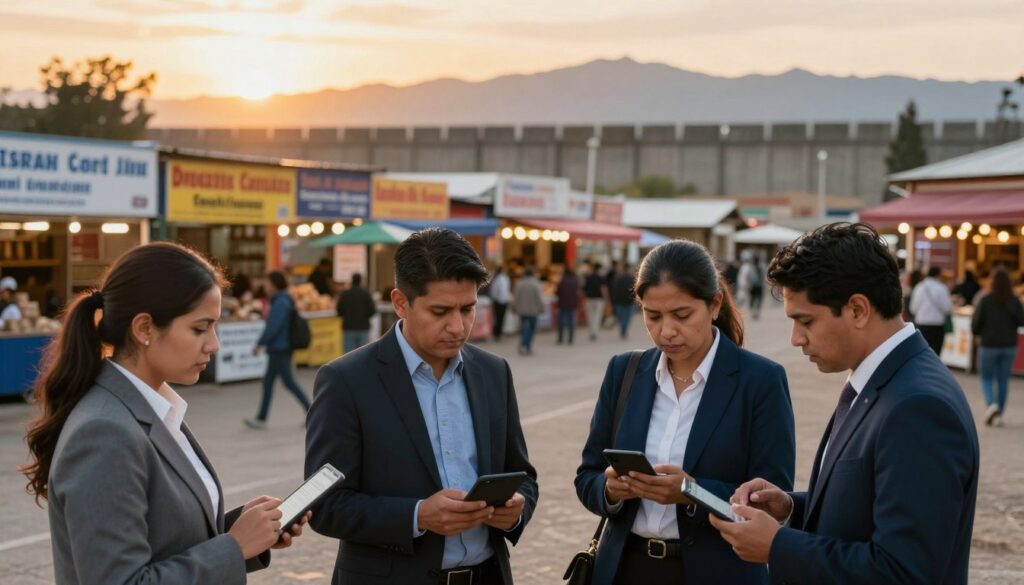
The effects of federal enforcement are felt deeply in local economies near the border. Changes in policies impact not just government offices but also the daily lives of residents and business owners. These shifts often lead to uncertainty, changing how communities grow and function.
Local Business Impacts and Labor Markets
Small businesses often struggle when the workforce becomes unstable. For example, Ashley from Broward County saw her husband detained during a Green Card interview. He was then sent to Honduras, leaving her without a primary provider. This shows how enforcement actions can disrupt local labor stability.
When workers leave, local shops and services struggle to fill key roles. This loss of human capital reduces consumer spending and slows growth. Maintaining a stable workforce is key for regional market health.
Strain on Municipal Infrastructure and Services
Increased enforcement puts a heavy burden on local public services. Municipalities must manage the logistics of processing, which can take funds away from schools, roads, and emergency services. This economic impact forces local leaders to make tough choices about where to spend limited tax dollars.
The pressure on social services grows as families deal with the effects of sudden detentions. Community organizations often help, but their resources are stretched thin. Supporting these vulnerable populations requires funding that many small border towns lack.
Regional Economic Dependencies on Cross-Border Trade
Many border regions rely on the smooth flow of goods and people to keep their economies going. When border measures tighten, the economic impact can slow trade and reduce cross-border commerce. This dependency is a key to regional prosperity, sensitive to federal policy changes.
Businesses that serve international travelers and logistics companies see revenue drop during enforcement periods. A balanced approach to border management is vital to protect these trade relationships. Keeping commerce flowing is essential for the long-term success of the region.
International Relations and Diplomatic Fallout
Keeping diplomatic relations healthy is key as the government makes new, stricter removal rules. These changes can affect how the U.S. works with its neighbors.
Cooperation with Transit and Origin Countries
Good border management needs help from transit and origin countries. The U.S. often looks for partnerships to tackle migration’s root causes and make returning foreign nationals smoother.
These collaborative efforts are essential to avoid isolating important allies. Open communication helps both sides tackle the challenges of processing people safely and with dignity.
Regional Stability and Migration Patterns
Changes in U.S. policy can change migration patterns across the hemisphere. When removal rules get stricter, migrants might take riskier paths to their destinations.
This change puts a lot of pressure on transit countries’ infrastructure. Regional stability depends on these countries handling the flow of people without causing social or economic problems.
Diplomatic Tensions and Bilateral Agreements
It’s a big challenge to balance national enforcement with international duties. Bilateral agreements help set expectations, but they can cause tension during political shifts.
The U.S. must think about the pros of strict enforcement and the risk of strained partnerships. The aim is to follow domestic laws while keeping diplomatic relations strong for security and cooperation in the region.
Challenges in Implementation and Enforcement
Starting a mass deportation plan is not simple. It needs a lot of work and resources. Even with clear laws, making these plans work is hard. The gap between what’s written and what happens in real life is big.
Logistical Hurdles in Mass Processing
Big operations need good systems to handle people. For example, Operation Tidal Wave in Florida showed how big these efforts can be. It led to thousands of arrests, putting a big strain on facilities and transport.
- Securing adequate temporary holding facilities.
- Managing complex medical and dietary needs for large groups.
- Coordinating secure transport across state lines.
- Maintaining accurate digital records for legal proceedings.
Inter-Agency Coordination Difficulties
Good immigration enforcement needs all groups to work together well. But, different goals can cause problems. When local and federal teams have different tasks, it can slow things down.
To succeed, everyone needs to work together under one leader. This is hard to do. Agencies must deal with who does what and make sure everyone’s rights are respected. Without clear rules, things can go wrong.
Training and Staffing Requirements
Keeping up a mass deportation effort needs a lot of people. They must know how to enforce laws and understand immigration rules. Working in tough situations can make people burn out and leave quickly.
To handle this, agencies should focus on:
- Comprehensive training on due process and civil rights.
- Rapid recruitment and onboarding of specialized support staff.
- Enhanced mental health resources for field agents.
- Advanced technological training for data management systems.
Judicial Challenges and Possible Court Battles
When the White House makes big changes in immigration, the courts often decide if they’re okay. These judicial challenges help keep the president in check, making sure new rules follow the law. As these policies hit the border, the courts are where they get tested.

Pending Litigation and Legal Injunctions
Right now, many important lawsuits are going through federal courts. Groups and state lawyers are suing to stop these new rules with preliminary injunctions. They want to pause these policies until the courts say they’re legal.
The results are not clear yet. Judges have to weigh national security against personal rights. One court order can stop policies in whole areas. This makes border operations very flexible.
The Role of Federal Courts in Policy Review
Federal courts are key in checking if the administration went too far. They check if the rules were made the right way. A big issue is making sure people coming to the border get fair treatment.
If a rule is seen as breaking the law, the court might cancel it or ask for big changes. This keeps the government in line with the law, even in emergencies. The ongoing judicial challenges show the struggle between fast policy changes and the slow legal process.
Precedents Influencing Current Legal Arguments
Lawyers on both sides are looking at old cases to back their claims. Past decisions on presidential power in immigration are key. These cases help judges figure out the balance between border control and migrant rights.
The main argument is if the current rules give enough due process to asylum seekers. By watching these court fights, we learn about the limits of the administration’s immigration plans. These old cases will likely influence immigration policy for a long time.
Perspectives from State and Local Governments
Across the United States, state and local governments face tough choices. They must deal with federal immigration rules that don’t always match their own goals. This leads to a mix of approaches to enforcement.
State-level responses to Federal Directives
Different states have different ways of handling federal immigration rules. Some states follow federal goals closely. Others try to limit their role in enforcing these rules.
This mix of policies can be confusing for people and law enforcement. Local leaders have to find a balance between their legal duties and what their communities need.
Conflicts Between Federal and Local Jurisdictions
Problems often come up when federal agencies use local facilities for detainees. For example, the Baker County Detention Center held Johane Morel before deporting him to Haiti.
These issues show the operational challenges of using local resources for federal needs. They can lead to:
- Higher costs for local detention budgets.
- Legal fights over local authority.
- Protests about detainee treatment.
- Hard work in coordinating between local and federal agents.
The Role of Sanctuary Policies in the Current Climate
The debate on sanctuary policies is a big issue today. These policies aim to build trust in immigrant communities by limiting local help to federal immigration.
Supporters say these policies are key for safety and unity. Critics argue they weaken the law and make border control harder. The fight over these policies shows a big divide on immigration enforcement.
Public Opinion and Political Discourse
The mix of voter beliefs and government actions forms a complex web of political discourse. Citizens’ views shape the push for immigration reform. It’s key to grasp how public opinion evolves to understand why this topic is so central in America.
Partisan Divides on Immigration Reform
Immigration reform talks are often split by deep beliefs. Some want strict border control and national security. Others push for kinder paths to citizenship and economic ties.
- Conservative viewpoints stress sovereignty and law.
- Liberal perspectives focus on citizenship paths.
- Centrist positions aim for a balance between security and work needs.
Media Coverage and Public Perception
News shapes how we see border issues. Media coverage picks what to highlight, affecting public opinion.
Focus on border surges leads to calls for quick laws. Stories about policy’s human impact shift focus to empathy and change. This back-and-forth makes finding common ground hard.
The Influence of Election Cycles on Policy
In election years, immigration becomes a key issue. Politicians take hard or soft stances to win votes. This makes political discourse more extreme as elections near.
Candidates know border policies can sway voters or lose support. So, they often focus on short-term wins over lasting solutions. This keeps the debate alive in American politics.
Future Outlook for Immigration Policy
Managing borders is complex and needs a clear plan for the future. Policymakers face a tough choice between strict rules and helping those in need. The goal is to find a balance that works for everyone.
The economy also depends on how we handle borders and work. Growth in regions often comes from trade and people moving freely. Leaders should use facts to make sure immigration policies help the economy and keep us safe.
Talking openly about these issues is key. Citizens, local leaders, and the government need to work together. This way, policies can adapt to the world’s changing needs.
Improving our current system is essential. We need to focus on solutions that respect the law and meet global migration challenges. A well-thought-out plan will shape immigration for years to come.