The death toll from the ongoing Ebola outbreak in the Democratic Republic of Congo has climbed to at least 930, health officials said Monday, as the virus continues to spread faster than in any previous outbreak recorded in the country. Congo’s Ministry of Health said the deaths were confirmed out of 2,344 total cases recorded as of Saturday, with 37 new deaths logged in a single 24-hour span between Friday and Saturday, one of the highest daily increases since the outbreak was first declared.
The Ebola outbreak was declared in eastern Congo on May 15, and health officials now describe it as the fastest-growing Ebola outbreak on record. It is caused by the Bundibugyo virus, a less common strain of the pathogen responsible for Ebola virus disease, for which there is currently no approved vaccine or specific treatment. Ebola spreads through direct contact with the bodily fluids of infected people, including blood, vomit and semen, as well as through contaminated surfaces such as bedding and clothing, making containment especially difficult in densely populated or conflict-affected areas.
World Health Organization Director-General Tedros Adhanom Ghebreyesus said the current Ebola outbreak reached 2,000 confirmed cases in just two months, compared with more than 10 months during Congo’s 2018-2020 Ebola outbreak. He called it the third-largest Ebola outbreak on record and warned that the true number of Ebola cases could be at least double the official count. Tedros also noted that more than 80 percent of new Ebola infections were being detected outside known contact-tracing lists, a sign that health authorities are struggling to keep pace with how quickly the virus is moving through affected communities.
The outbreak has hit hardest in Ituri, a mineral-rich northeastern province where armed groups operate and rebel violence has long complicated humanitarian access. Cases have now been confirmed in five provinces across the country and have also crossed into neighboring Uganda, though Ugandan health authorities say they are close to being declared free of the virus after discharging their last patient. In Congo, however, the outbreak shows no sign of slowing, with the health ministry saying it is intensifying its emergency response in the worst-affected zones.
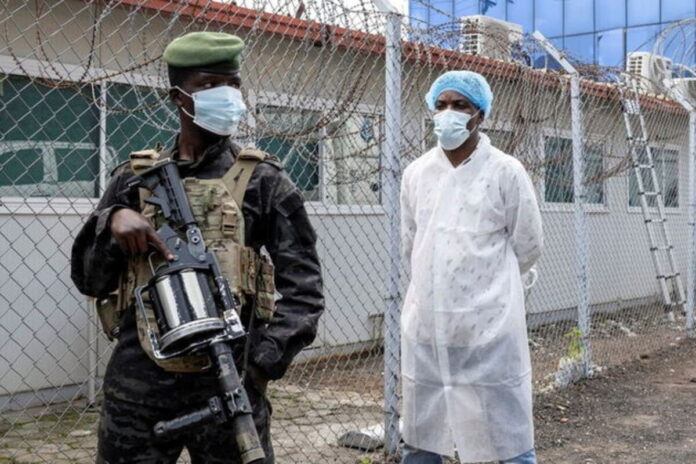
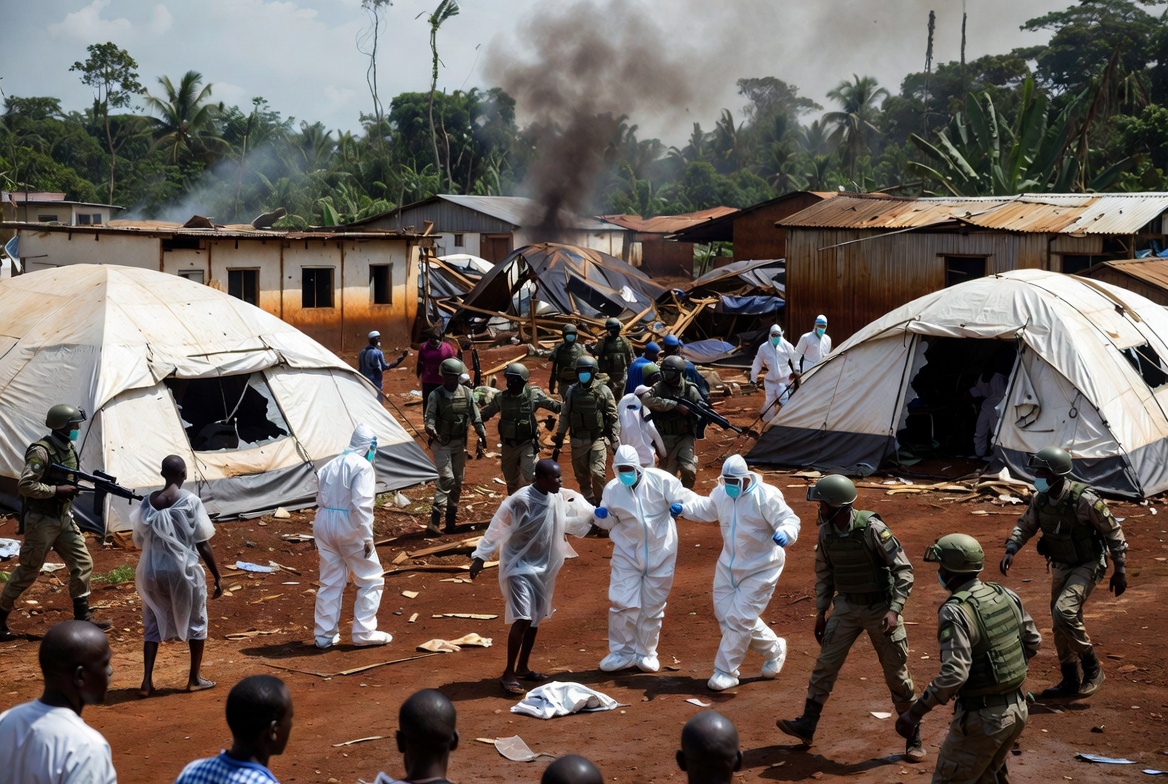
Efforts to contain the Ebola outbreak have been further complicated by attacks on health workers and treatment facilities. At least 12 attacks, largely fueled by fear, mistrust and rumors about the disease and its response teams, have targeted health facilities and personnel since the outbreak began in mid-May. At least 36 health workers who contracted the virus while treating patients have died. Adding to the strain, staff at treatment centers in Ituri, including at Bunia General Hospital, went on strike last week and blocked the facility’s entrance, protesting months of unpaid wages despite working in dangerous, high-risk conditions.
Despite the mounting death toll, Congo’s health ministry pointed to some signs of progress in the response. It said 724 patients are currently in isolation or receiving hospital care, and that 22 new recoveries were recorded in the most recent 24-hour period. Officials say patient care and support capacities are gradually consolidating even as the virus continues to spread into new areas and evade contact-tracing efforts.
International health agencies have stressed that the scale and speed of this Ebola outbreak demand an urgent, coordinated global response. With no licensed vaccine specifically effective against the Bundibugyo strain, treatment options remain limited, and health workers are relying largely on supportive care, isolation and rapid contact tracing to slow transmission. As the Ebola crisis deepens, aid groups and the WHO are calling for increased funding, security guarantees for medical staff, and community engagement to rebuild trust and curb the rumors that have fueled violence against those working to stop the outbreak’s spread.