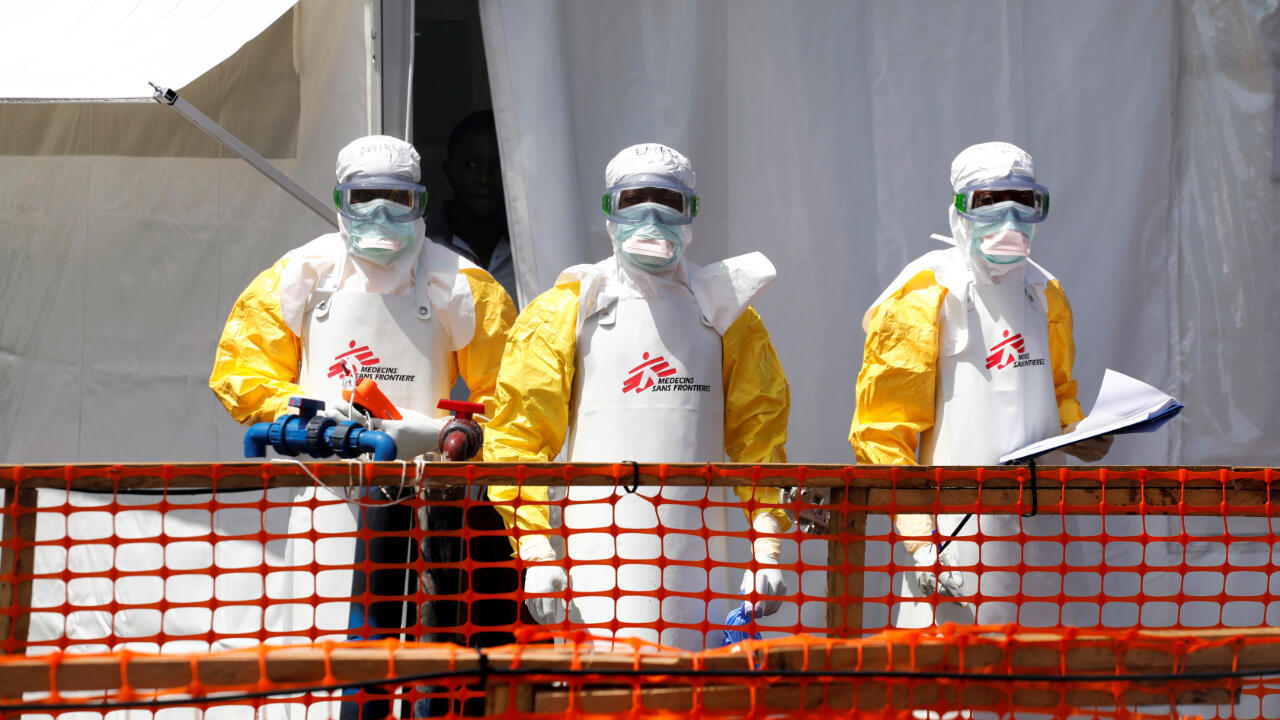
The Democratic Republic of Congo has crossed a grim milestone in its ongoing public health crisis, with confirmed Ebola cases surpassing the 1,000 mark. This is a sobering figure that has prompted urgent warnings from the United Nations children’s agency, UNICEF, about the devastating toll the outbreak is taking on the country’s youngest and most vulnerable residents.
Congo’s Ministry of Health confirmed 1,003 cases and 254 deaths as of Sunday evening, with 365 patients currently either hospitalized or held in isolation facilities. The outbreak, which was officially declared on May 15, 2026, is centered in Ituri province in the country’s east and has since spread to neighboring North Kivu and South Kivu provinces. According to the U.S. Centers for Disease Control and Prevention (CDC), this makes the current Ebola crisis the second-largest outbreak ever recorded, and the fastest-growing in the country’s history.
Health authorities are struggling to contain the virus, with contact tracing emerging as a critical bottleneck. The Ministry of Health reported that only 58 percent of identified contacts have been followed up, which is far short of the 90 to 95 percent threshold the World Health Organization (WHO) says is necessary to bring an outbreak like this under control.
Adding to that challenge is a severe misinformation problem. Bonheur Baeni, the project manager for the Ebola emergency at the humanitarian organization CARE, told reporters that false information circulating on social media and through word of mouth has led many residents to resist public health measures. “It really makes the population resistant,” Baeni said, adding that his organization is partnering with community leaders and trusted local figures to build confidence and encourage people to seek timely medical care.
UNICEF delivered a stark warning on Monday, revealing that an estimated 2.95 million children and adolescents are at risk from the Ebola virus and from the collapse of essential services that have accompanied the outbreak. Children and adolescents account for roughly 15 percent of confirmed Ebola cases and more than 25 percent of confirmed deaths in eastern Congo as of June 19. Most alarmingly, young patients with confirmed Ebola are nearly twice as likely to die as adult patients, a disparity that UNICEF attributed to their dependence on caregivers and their inability to distance themselves from sick family members.
“Our teams in Ituri have met children who have lost their mothers, and in some cases both parents, to Ebola,” said UNICEF Executive Director Catherine Russell. “Children are trying to make sense of the threat while surrounded by rumors and online misinformation.” In Ituri, the epicenter of the outbreak, more than 130 children have been orphaned. UNICEF confirmed that 135 such children are currently receiving psychosocial care and support, and that the agency has opened a nursery to provide a safe space for infants and young children separated from their parents during treatment. Two additional nurseries are expected to follow.
The situation in Ituri was already precarious before the virus arrived. More than half of children under five were already chronically malnourished, and immunization rates remain dangerously low. These pre-existing conditions make early Ebola detection particularly difficult, as the disease’s initial symptoms, which include fever, fatigue, and muscle pain, can easily be mistaken for more common illnesses like malaria.
The outbreak has also begun crossing international borders. Uganda has confirmed at least 20 Ebola cases and two deaths, largely tied to cross-border movement from Congo. One child in Uganda has tested positive, and 19 more are under quarantine and monitoring. The spread has raised concerns about neighboring countries’ capacity to manage cases, as the outbreak in eastern Congo remains far from contained.
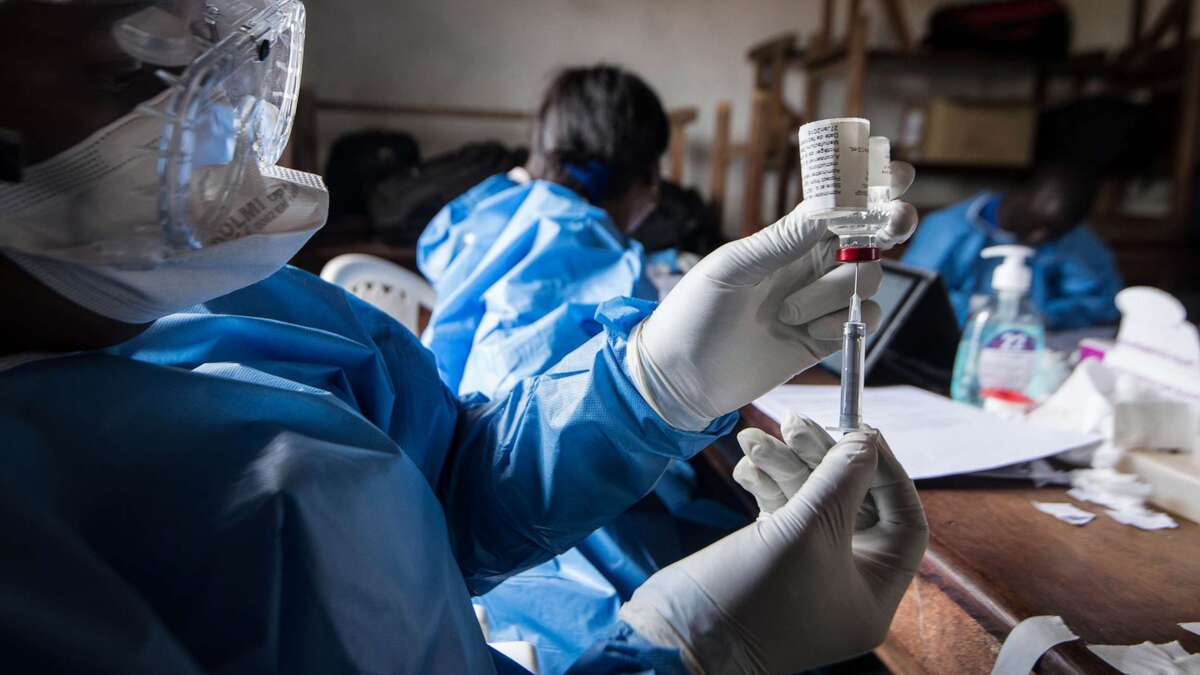

UNICEF said it is initially seeking $70.7 million to fund a six-month response plan, but noted that $20 million of that total remains unfunded. The agency is working alongside the WHO, Africa CDC, and government health authorities to strengthen infection prevention, accelerate contact tracing, conduct safe burials, and support continued access to health care, nutrition, education, and child protection services. Despite 100 confirmed recoveries, officials say the fight against this Ebola outbreak is far from over and that children will bear the heaviest burden if the international response fails to scale up in time.