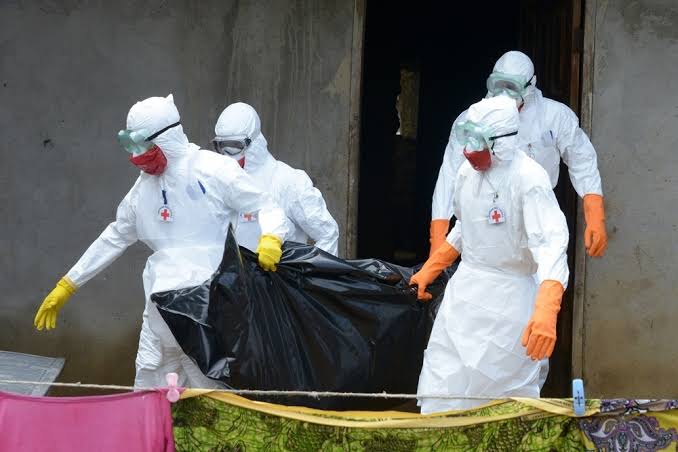
The Democratic Republic of Congo has imposed sweeping new travel restrictions after France confirmed its first Ebola case. The development marks the first time the deadly virus has been detected on European soil in connection with the current Central African outbreak, raising fresh concerns about the effectiveness of existing border controls and exit screening procedures.
Under a decree signed on June 24 by Congolese Health Minister Samuel-Roger Kamba, any individual identified as a contact of a confirmed or suspected Ebola case must now undergo 21 days of active health monitoring from the date of their last exposure. During that quarantine period, all travel, both domestic and international, is strictly banned unless authorities give explicit prior approval. The regulation extends to health workers, laboratory staff, and response personnel returning from affected areas, who must also obtain government clearance before crossing any international border.
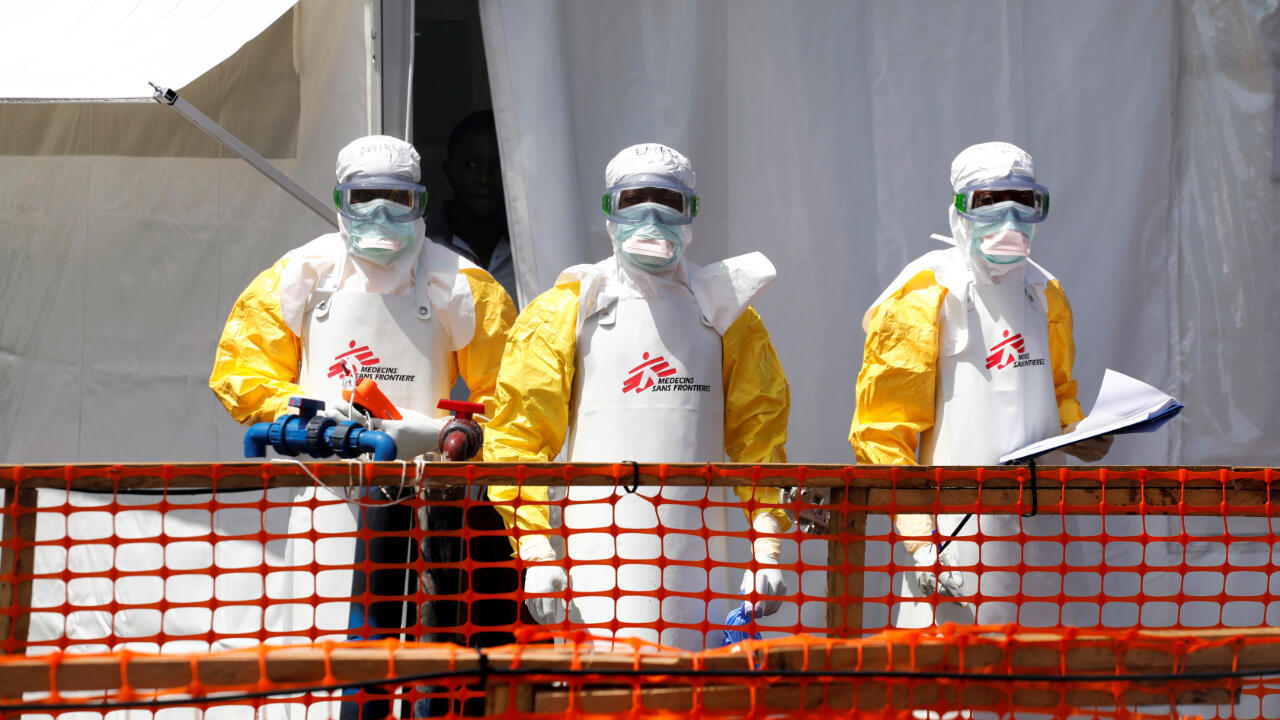
The trigger for these emergency measures was a humanitarian doctor who boarded a commercial flight from Kinshasa to France showing no symptoms, but fell ill mid-flight and subsequently tested positive for Ebola upon arrival. French health authorities rapidly isolated the patient, who is receiving care in a specialist medical facility. Officials confirmed the patient is in stable condition and that there is currently no evidence of onward local transmission on French territory. Nonetheless, the incident exposed a significant gap in DR Congo’s exit screening systems, as the infected individual passed through departure checks undetected.
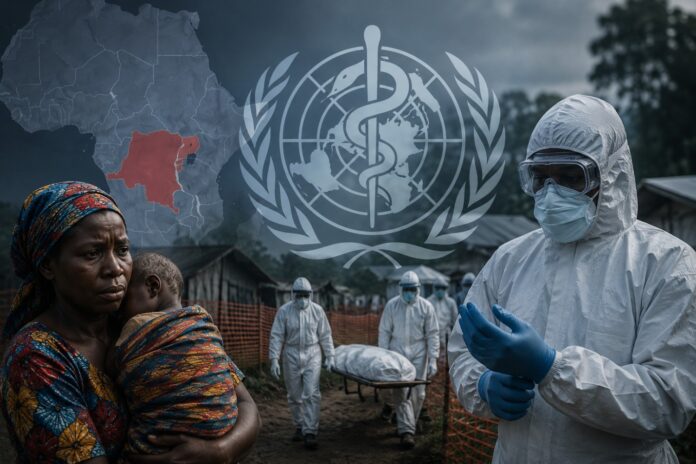
The wider outbreak has been growing at a pace that has alarmed global health experts. The number of confirmed Ebola cases in the DRC reached 1,155 as of Thursday, according to the latest government data. More than 300 people have died, while approximately 100 have recovered. The outbreak is concentrated primarily in Congo’s Ituri province, though the virus has been spreading to neighbouring areas. Health officials acknowledged that community transmission has increased, and contact tracing remains a critical challenge, with local authorities achieving only a 55% coverage rate. Officials have admitted there could be far more cases that remain undetected, and that the peak of the outbreak may still lie ahead.
This Ebola outbreak is caused by the rare Bundibugyo strain, for which there is currently no approved vaccine or treatment. The World Health Organization has announced that experimental therapies will begin in the coming days. The Bundibugyo strain spreads through direct contact with the blood or bodily fluids of an infected person. It is considered less transmissible than some other viral haemorrhagic fevers, which health authorities say keeps the global risk relatively low. Nevertheless, the WHO has raised its risk assessment to very high at the national level for the DRC.
The reaction from the international community has been swift. The United States has implemented entry restrictions for travellers arriving from the DRC, Uganda, and South Sudan, rerouting all such passengers through designated airports for enhanced public health screening. Jordan, Bahrain, and several other nations have similarly suspended the entry of travellers from affected countries. Mexico increased airport screening measures, while Canada and the Bahamas have tightened health monitoring protocols. The development has also prompted international aviation authorities to call on airlines and governments to adhere strictly to health declaration and border screening protocols.
More than 35,000 people are believed to have come into contact with infected individuals as of last week. The new Congolese regulations represent an acknowledgement that the existing measures were insufficient to prevent the cross-border spread of Ebola. The government’s decree also mandates that anyone who has recently stayed in an Ebola-affected province must spend at least 21 days outside the area before being permitted to travel internationally.
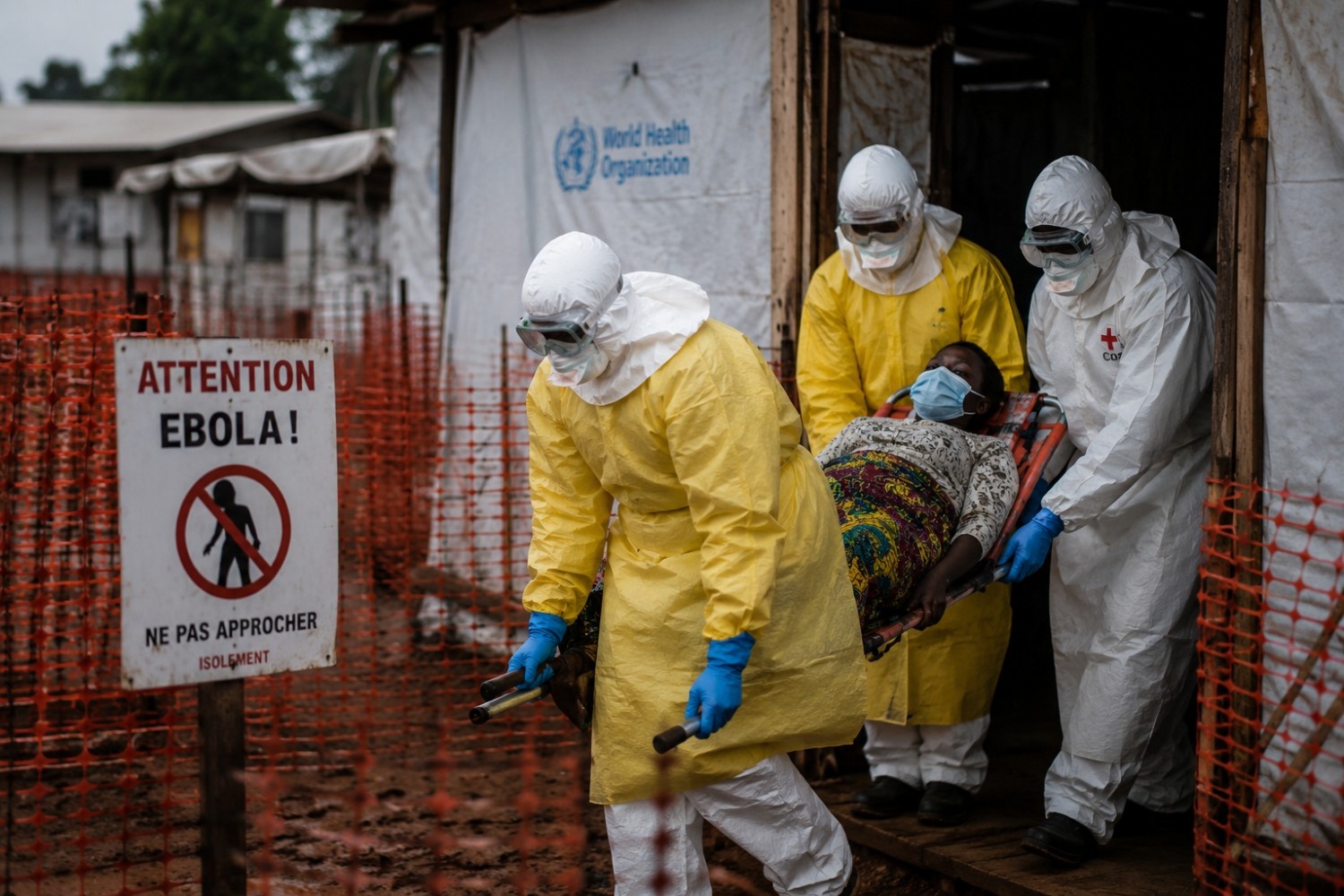
Global health experts cautioned against disproportionate panic, noting that Ebola, while deadly, is not transmitted through the air and requires close physical contact for infection. Public health agencies in Europe and North America emphasised that the risk to the general public remains low. Still, the case in France has provided a reminder of how quickly a localised Ebola emergency can become a matter of international concern.