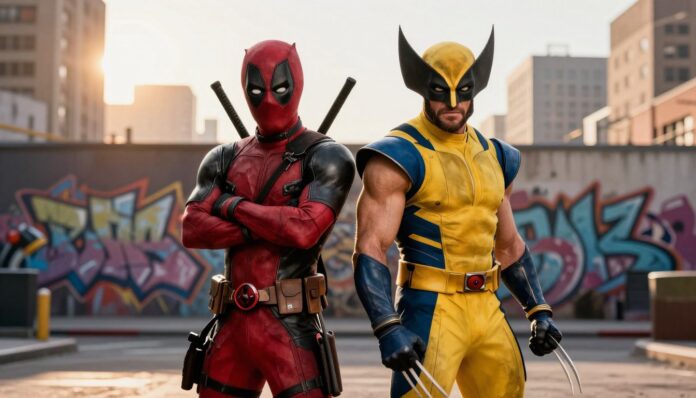
The movie world changed a lot after the 2024 release of Deadpool & Wolverine. This hit film did more than just entertain; it changed the Marvel Cinematic Universe’s direction. As we look at the franchise in MCU 2026, we see the big impact of that film.

This film is seen as a vital cornerstone for the stories we see today. It brought a new focus on character stories and big multiverse themes. This shift in strategy is why the film’s legacy is still important for fans and creators today.
Key Takeaways
- The 2024 film acted as a major turning point for Marvel’s creative strategy.
- Current narrative arcs in 2026 are directly influenced by the events of this project.
- The studio shifted its focus toward more grounded, character-centric storytelling.
- Multiversal themes established in the film continue to shape the franchise’s future.
- Understanding this legacy is crucial for grasping the current direction of the cinematic universe.
The Cinematic Landscape of the MCU in 2026
The year 2026 is a big change for the Marvel Cinematic Universe and how it makes movies. The studio is now making stories that fit what people want to see today. This change is part of a bigger trend towards making content that really impacts viewers.
Shifting Tides After the Multiverse Saga
The end of the Multiverse Saga has changed how we see superhero movies. Now, people want stories that focus more on characters than big events. This means we’re moving away from jumping between worlds and towards deeper, more personal stories.
“The future of the franchise relies on our ability to ground the extraordinary in the human experience, ensuring that every victory feels earned rather than inevitable.”
This change is a smart move to avoid the tired feeling that comes with too many big stories. By making movies with a clearer focus, the Marvel Cinematic Universe is finding a better way to keep making great content. This new approach helps the franchise stay fresh and exciting.
Audience Reception and Box Office Benchmarks
Looking at the box office performance shows how fans are responding to these changes. Even though the numbers are still good, what counts has changed. Now, it’s about how well a movie keeps people interested over time, not just how much it makes at first.
The table below shows the important signs that tell us how well movies are doing:
| Metric | 2024 Baseline | 2026 Target | Strategic Focus |
|---|---|---|---|
| Audience Retention | Moderate | High | Character Arcs |
| Box Office Performance | Volume-Driven | Quality-Driven | Sustainability |
| Critical Sentiment | Mixed | Positive | Narrative Cohesion |
The success of recent movies is key for the studio. By keeping an eye on quality, the franchise will keep drawing in fans worldwide. This careful planning helps the brand stay at the top of the entertainment world.
Analyzing the Deadpool & Wolverine Legacy
The arrival of Deadpool & Wolverine changed how we see superhero cinema. It showed that fans want deeper, grittier stories. This film is a guide for taking creative risks in movies.


Redefining R-Rated Success in Superhero Cinema
For years, people thought R-rated superhero movies wouldn’t do well worldwide. But this film proved them wrong. It showed that Disney can handle complex, adult themes without losing the characters’ appeal.
“The goal was never to change the character, but to find a way for him to exist authentically within a larger, more structured universe.”
Here’s a table showing how we now see the success of these movies:
| Metric | Traditional Superhero | R-Rated Superhero |
|---|---|---|
| Target Audience | Broad/Family | Adult/Niche |
| Narrative Tone | Optimistic | Gritty/Cynical |
| Creative Freedom | Limited | Expanded |
The Integration of Fox-Era Characters into Disney’s Marvel
Merging Fox-era characters with Marvel was tough. It was about keeping their history while making them fit today’s stories. This needed a deep understanding of their past and future.
This success shows that superhero cinema can grow through good storytelling. By keeping the essence of Fox-era characters, the studio opened doors for new stories. The legacy of Deadpool & Wolverine will be about connecting old and new stories.
Strategic Shifts in Marvel Studios Production
We’re seeing a big change at Marvel Studios in 2026. The days of quick movie releases are over. Now, they’re focusing on telling stories in a more thoughtful way. This change shows their commitment to keeping the universe healthy for the long run.
Prioritizing Quality Over Quantity
Marvel Studios has decided to make fewer movies each year. They want each film to be special. By making fewer movies, they can make each one better.
This means more time for making and editing the movies. It’s important for making sure everything looks great on screen.
“True excellence in filmmaking requires the patience to let a story breathe and the courage to refine it until it resonates with the audience.”
This change is already making the movies better. Here’s a table showing how they’ve changed:
| Metric | Previous Strategy | Current Strategy |
|---|---|---|
| Annual Output | High Volume | Curated Selection |
| Development Time | Accelerated | Extended |
| Focus | Franchise Expansion | Narrative Depth |
The Role of Creative Autonomy in Future Projects
Another big change is giving filmmakers more freedom. They’re not stuck to one way of doing things. This lets them add their own style to the movies.
This freedom is key to keeping the movies exciting. It means we’ll see different stories and styles. We think this mix of studio control and creative freedom will shape the next decade of superhero movies.
The Multiverse Mechanics Post-2024
We’re seeing a big change in how the multiverse works in stories. The Multiverse Saga has moved from random events to a clear set of rules. These rules guide how characters move between different worlds.
Establishing New Rules for Reality Hopping
The old days of jumping between worlds without worry are gone. Marvel Studios has set up rules for how heroes and villains move between realities.
Now, jumping between worlds comes with a significant cost to the timeline. Characters need special tech or cosmic powers to travel. They can’t just wander between universes freely anymore.
- Incursion Risks: Crossing boundaries now triggers potential collisions between realities.
- Anchor Points: Certain individuals act as stabilizers for their home dimensions.
- Temporal Friction: Extended stays in foreign realities cause physical and mental degradation.
How Variant Narratives Influence Current Storylines
The use of variant narratives lets us see deeper into characters’ emotional journeys. By showing them in new situations, writers show what makes them special. This way, we see the true essence of our favorite heroes, no matter the timeline.
This method makes characters face their own failures or successes through their counterparts. The table below shows how these choices shape the franchise:
| Narrative Element | Impact on Story | Emotional Stakes |
|---|---|---|
| Character Variants | High | Personal Identity |
| Timeline Divergence | Medium | Existential Dread |
| Reality Anchors | Critical | World Survival |
These mechanics help make the vast multiverse feel grounded. By using variant narratives with logic, the studio keeps the stakes high. This keeps the audience hooked on every mission.
Character Development and Legacy Casting
The use of legacy casting has changed how we see movies. It brings old favorites into new stories, creating deep connections. This method does more than just add a cameo; it makes new tales feel like part of a shared history.
The Return of Iconic Performances
The return of Fox-era characters links old and new movies together. These iconic roles bring a depth that new characters might take years to achieve. Seeing a familiar face in a movie instantly brings back memories and emotions.
This method helps expand the multiverse while keeping the franchise’s core intact. It honors past films and moves the story forward. The benefits include:
- Instant emotional stakes for long-time viewers.
- A sense of continuity across different production eras.
- The ability to explore variant narratives that feel grounded in established lore.
Balancing Nostalgia with Fresh Character Arcs
The challenge is to balance nostalgia with character growth. The best projects use returning characters to drive change in main heroes. It’s not just about showing a character; they must have a role in the current story.
By adding variant narratives to the plot, writers can take legacy figures in new directions. This keeps the story fresh for today’s viewers. The aim is to create a dynamic storytelling environment where the past enriches the future, not limits it.
When Fox-era characters are treated with respect, they add depth to ongoing stories. This balance honors the franchise’s past while exploring new territory. Through legacy casting, studios keep pushing the limits of superhero movies.
The Evolution of the Marvel Cinematic Universe Tone
The Marvel Cinematic Universe is changing how we see superhero movies. It’s moving towards more complex feelings. This change aims to keep fans hooked while keeping the quality high.

Blending Humor with High-Stakes Drama
Marvel has mixed humor with serious drama perfectly. They make sure the jokes don’t lessen the story’s weight. This mix keeps the tension high in key moments.
The shift from a joke to a serious moment is key. It makes us connect with characters facing huge challenges. This mix keeps the stories exciting and relatable for today’s viewers.
The Influence of Meta-Narrative Storytelling
Recent movies have leaned more on meta-narrative storytelling. They nod to the franchise’s long history. This invites fans to join in a shared experience.
This self-aware style changes how we see the Marvel Cinematic Universe. It makes the stories feel more real and engaging. As we go on, this meta-narrative will stay a big part of Marvel’s storytelling.
Impact on Upcoming Phase Six Projects
Recent events are changing the path to the most awaited crossover event in franchise history. The studio is shifting how it builds its story roadmap for the next years. This change is key to keep the excitement going as we dive into Phase Six.
Connecting Threads to Secret Wars
The story is being crafted to link different plot points together. Every big release is now a crucial part of the journey to Secret Wars. We see these links through themes of multiverse trouble and the breaking down of old rules.
The studio is planting these seeds early to make the story feel urgent for every character. Fans will see these connections get stronger as we get closer to the big showdown. This approach makes the current storytelling era feel full of tension.
Setting the Stage for New Team Dynamics
The franchise is evolving, and so are the ways our heroes work together. We’re seeing old power structures fall to make way for new alliances. These changes are deep and show a new way of handling character conflicts.
The table below shows how team structures are evolving as we move into the next big chapter:
| Project Focus | Team Structure | Strategic Goal |
|---|---|---|
| Early Development | Individual Origins | Establishing Foundations |
| Mid-Phase Growth | Fragmented Alliances | Testing Compatibility |
| Final Convergence | Unified Fronts | Addressing Global Threats |
These new team structures will be key to facing future challenges. As we near the end of Phase Six, the strength of these relationships is crucial. We expect these bonds to be tested in ways that will change what heroism means in our shared universe.
Industry Reactions and Critical Perspectives
We are at a key moment in superhero cinema history. Analysts are looking at recent numbers closely. The industry is changing how it sees big franchises, moving from guaranteed hits to a more detailed view of success.
Box Office Analysts on the New Marvel Standard
Experts are watching Marvel Studios closely in a busy movie market. The latest box office performance shows people are pickier with their movie choices.
They note several key points for this new standard:
- People want unique stories, not just more of the same.
- Focus is now on keeping the brand strong over time, not just big opening weekends.
- It’s important to find a balance between showing movies in theaters and making them available online.

Critics Weighing In on the Franchise Direction
Critics have a lot to say about the risks Marvel Studios has taken lately. They think the move to more grown-up themes in superhero cinema is a welcome change.
But, some critics are still worried. They say while taking risks is good, keeping a clear vision is the biggest challenge for Marvel Studios.
In the end, everyone agrees the studio is going through a big change. The success of future movies will show if these new moves will attract a new audience.
Fan Engagement and Community Sentiment
We are in a special time where fans’ opinions really matter. The Marvel fandom has grown into a network of voices. These voices help shape the future of our favorite heroes.
Social Media Trends and Cultural Impact
Digital platforms are where fans share their thoughts on the latest movies. They dive deep into the meta-narrative layers of new releases. This helps decide which storylines get the most attention.
The impact of these discussions is huge. When a character’s story or a plot twist goes viral, it shows creators how much fans care. This feedback loop is key to keeping the franchise fresh in a busy media world.
The Role of Easter Eggs in Sustaining Fan Interest
Hidden references and details connect the studio with fans. They reward loyal viewers and encourage them to watch again. By using legacy casting, the studio ties together different eras of the franchise.
Looking ahead to Secret Wars, these small details are crucial. They fuel endless speculation and keep fans excited between big movies.
| Engagement Metric | Social Media Impact | Community Sentiment |
|---|---|---|
| Theory Crafting | High | Positive |
| Easter Egg Hunting | Very High | Excited |
| Legacy Character Debates | Moderate | Nostalgic |
| Meta-Narrative Analysis | High | Analytical |
Future Prospects for R-Rated Marvel Content
Marvel is changing how it makes its movies. It’s moving away from just one type of story. This lets it tell more stories for older fans.
Expanding the Mature Content Portfolio
Introducing an R-rated superhero has shown fans want deeper stories. As we get into Phase Six, expect more of these stories.
This move lets the team explore darker stories. It also lets them tackle harder themes. This appeals to fans who want more depth.
Balancing Brand Identity with Mature Themes
Keeping the brand’s heart while adding grit is tough. But, the Marvel fandom loves real stories. This change is both needed and exciting.
“True creative evolution requires the courage to step outside of established comfort zones while honoring the spirit of the original source material.”
To keep the balance, the studio must make sure new stories feel right. Here’s how different types of stories can work together:
| Content Tier | Target Audience | Tone | Primary Focus |
|---|---|---|---|
| Family-Friendly | General Audiences | Optimistic | Heroic Journeys |
| Mature/R-Rated | Adult Fans | Gritty/Realistic | Character Depth |
| Experimental | Niche Enthusiasts | Stylized | Genre-Bending |
The future of Marvel depends on finding this balance. By planning Phase Six well, it can meet the changing tastes of fans. It will also keep the R-rated superhero genre special and meaningful.
Conclusion
The 2024 release of Deadpool & Wolverine was a big change for the Marvel Cinematic Universe. It showed how the franchise could take big risks and tell more mature stories. This move changed what fans expect from superhero movies in 2026.
The Marvel fandom is at the heart of this change. Marvel Studios mixed intense drama with funny, self-aware moments. This approach shows that quality is always the top goal. It keeps fans engaged and excited for what’s next.
Looking ahead, we see a focus on deep character stories and using well-known actors. The lessons from this time will help shape future stories. We’re excited for the Marvel fandom to keep exploring with Marvel Studios as they reach new heights in the Multiverse Saga.
FAQ
How has the success of Deadpool & Wolverine influenced the current Marvel Studios strategy in 2026?
The 2024 release of Deadpool & Wolverine was a game-changer. It showed that R-rated superhero movies can be huge hits. This success has made Marvel Studios and Kevin Feige more open to different types of content.In 2026, we see this change in their plans. They now focus on a mix of creative freedom and mature stories. This approach lets them tell deeper, grittier tales when needed.
What role does legacy casting play in the lead-up to Avengers: Secret Wars?
Legacy casting, like Hugh Jackman as Logan and Ryan Reynolds as Wade Wilson, has bridged old and new eras. It’s not just about looking back. It sets the stage for Phase Six.By 2026, these iconic roles have raised the stakes for Avengers: Secret Wars. Fans are more invested in the story’s outcome.
How have the rules of the Multiverse changed since the events of 2024?
Since 2024, the rules of reality hopping have become clearer. The TVA and “anchor beings” now play big roles in stories. This change helps us explore different worlds in a more organized way.
Is Marvel Studios still prioritizing a high volume of releases on Disney+ and in theaters?
No, Marvel Studios has shifted its focus to quality over quantity. After 2024, they slowed down to ensure each project gets the right resources. This approach aims to meet high standards in 2026.
How does the MCU balance its signature humor with the high-stakes drama of the current phase?
The MCU’s tone has evolved, blending humor and drama in a new way. Characters now acknowledge the franchise’s history while keeping their stories emotionally heavy. This balance is key for engaging both old and new fans.
What impact do Easter eggs and deep-cut references have on fan engagement today?
Easter eggs are still a big part of our fan engagement strategy in 2026. They connect Marvel Comics and past movies, keeping fans interested and sparking conversations. By rewarding fans, Disney and Marvel keep the community excited between big releases.
Will we see more R-rated projects within the Marvel Cinematic Universe moving forward?
Yes, Deadpool’s success has opened the door for more mature content. While we still offer family-friendly movies, we’re exploring adult themes too. This way, we can keep our brand true while offering a wider range of stories.