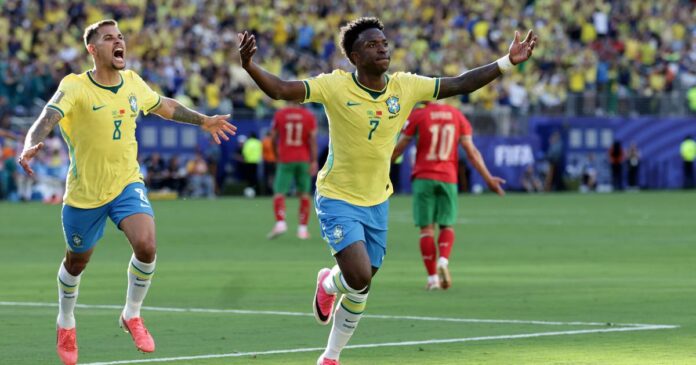
In one of the most eagerly anticipated group-stage fixtures of the 2026 World Cup, five-time champions Brazil were forced to settle for a hard-earned 1-1 draw against a determined and disciplined Morocco side on Sunday evening at MetLife Stadium. Before a roaring crowd of 80,663 spectators, the match delivered everything a World Cup opener should have. It came with tension, quality, controversy, and a moment of individual brilliance that reminded the footballing world why Vinícius Júnior remains one of the game’s most electrifying talents.
Morocco, the African champions and 2022 World Cup semifinalists, were not here to make up the numbers. Under their tactically astute coaching staff, the Atlas Lions came out with energy, structure, and genuine belief, pressing Brazil high and disrupting their rhythm from the first whistle. For long stretches of the opening half, the South American giants looked uncertain, unable to string passes together against a Moroccan press that was as organized as it was relentless.
The deadlock was broken in the 21st minute through a goal of real quality. A sharp through ball from Brahim Díaz split Brazil’s defensive line, and Ismael Saibari, composed beyond his years, chipped the ball delicately over a slow-footed Alisson Becker to put Morocco ahead. It was Saibari’s 10th international goal and a moment that sent shockwaves through the pro-Brazil sections of the packed arena. The yellow-clad Seleção supporters, who had dominated the pre-match atmosphere, fell into stunned silence.
Brazil’s World Cup ambitions, however, were not to be derailed so easily. Eleven minutes after falling behind, the five-time World Cup winners found their equalizer through a moment of sheer class. Vinícius exchanged passes with midfielder Bruno Guimarães on the left flank, shifted onto his right foot, and curled a ferocious angled strike into the far corner of Yassine Bounou’s net. It was the kind of goal that only truly special players can produce under the weight of a World Cup crowd, and it snapped the Seleção back to life.
The second half was a tightly contested affair, with neither side willing to overcommit. Morocco continued to threaten on the break, exploiting space behind Brazil’s full-backs with pace and precision. Achraf Hakimi was a constant menace down the right flank, drawing fouls and stretching Brazil’s defensive shape. For their part, Brazil showed glimpses of their world-class potential going forward, but were too often let down by slack passing and a lack of cutting edge in the final third.
Carlo Ancelotti, the Italian tactician making history as Brazil’s first foreign World Cup coach, will know there is work to be done. Igor Thiago was largely anonymous up front, Lucas Paquetá was wasteful in possession, and defensive vulnerabilities were exposed repeatedly. The bench offered limited solutions, with the experienced 34-year old Danilo among the substitutes deployed. Despite a World Cup squad boasting considerable individual quality, Brazil looked disjointed and slow in the build-up phase for large parts of the contest.
Still, a point is a point, and Brazil can at least draw comfort from extending their remarkable unbeaten run in World Cup openers to 21 matches. The draw also keeps the team’s World Cup title ambitions very much alive heading into their remaining Group C fixtures. Brazil will next face Haiti in Philadelphia before concluding the group stage against Scotland in Miami Gardens.
Morocco, meanwhile, will be delighted with a point against one of the tournament’s pre-tournament favorites. They face Scotland in Foxborough on Saturday, a game they will approach as genuine favorites. This Atlas Lions side is no longer a surprise package at a World Cup. They are a legitimate contender, and Sunday’s performance served as another emphatic reminder of that fact.
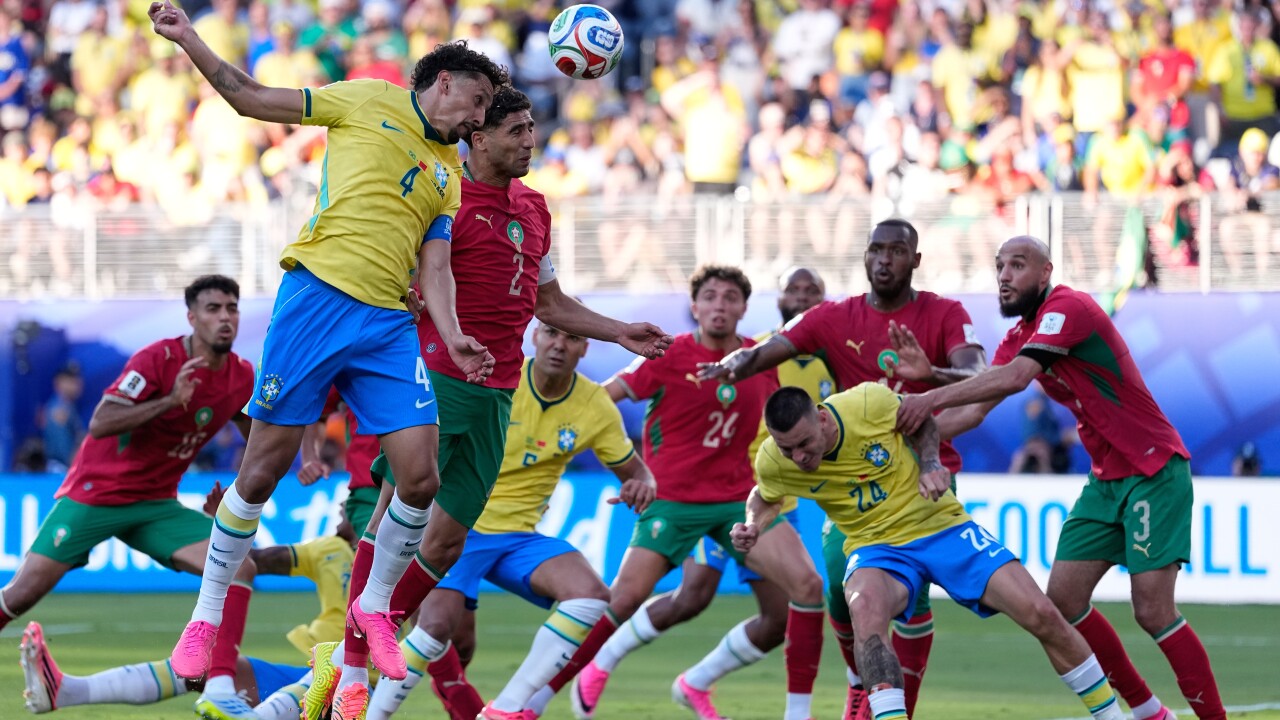
As the final whistle blew and the MetLife Stadium crowd processed a breathless, pulsating contest, one thing was clear: this 2026 World Cup has already announced itself as something special.