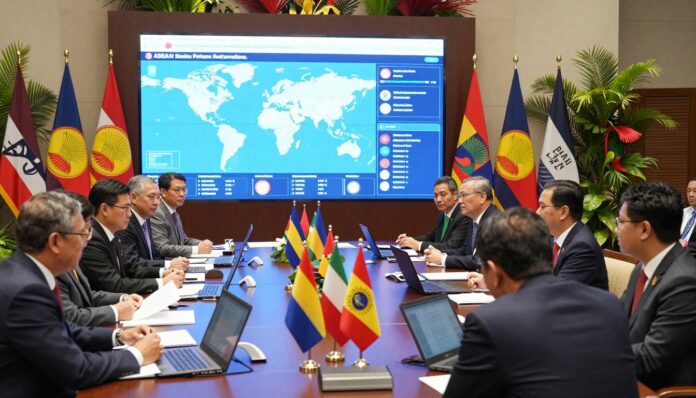
Southeast Asian leaders are gathering for the 2026 ASEAN Summit as the region grapples with the economic and security consequences of the ongoing war in Iran.
The summit is seen as a critical platform for member states to coordinate responses to rising energy prices, supply chain disruptions, and potential refugee movements. With more than 700 million people across the bloc, maintaining economic stability and regional security is a central concern.
The conflict has led to significant volatility in global energy markets, driving up fuel costs for transportation and manufacturing. This has increased the price of everyday goods and put pressure on household budgets across the region.
Trade routes, particularly the Strait of Malacca, remain a major focus. Any disruption to this critical waterway could have severe consequences for oil and goods shipments. Leaders are emphasizing the need to protect sea lanes and ensure the flow of energy imports.
Balancing Major Power Rivalries
The geopolitical landscape has become more complex as the United States and China compete for influence in the Indo-Pacific. ASEAN countries are seeking to maintain neutrality while managing relationships with both powers.
Key priorities include strengthening economic ties with all major partners, promoting collective security efforts, and handling territorial disputes through dialogue rather than escalation. This approach aims to prevent the region from being drawn into proxy conflicts.
The war has raised fears of increased refugee flows and humanitarian needs. ASEAN member states are discussing coordinated responses to manage potential migration while addressing the social impact on local communities.
Regional aid efforts are expected to play a larger role, with leaders stressing the importance of collective action to support vulnerable populations and maintain social stability.
The rapid growth of digital economies in Southeast Asia has brought new opportunities but also heightened cybersecurity risks. Protecting critical infrastructure, including power grids and financial systems, is a growing priority as countries expand their digital services.

Leaders are working on shared strategies to defend against cyberattacks and ensure the resilience of digital trade platforms.
Public sentiment across the region is shifting in response to the global conflict. Governments are balancing international pressures with domestic concerns, using clear communication to address citizen worries about energy costs, security, and economic stability.
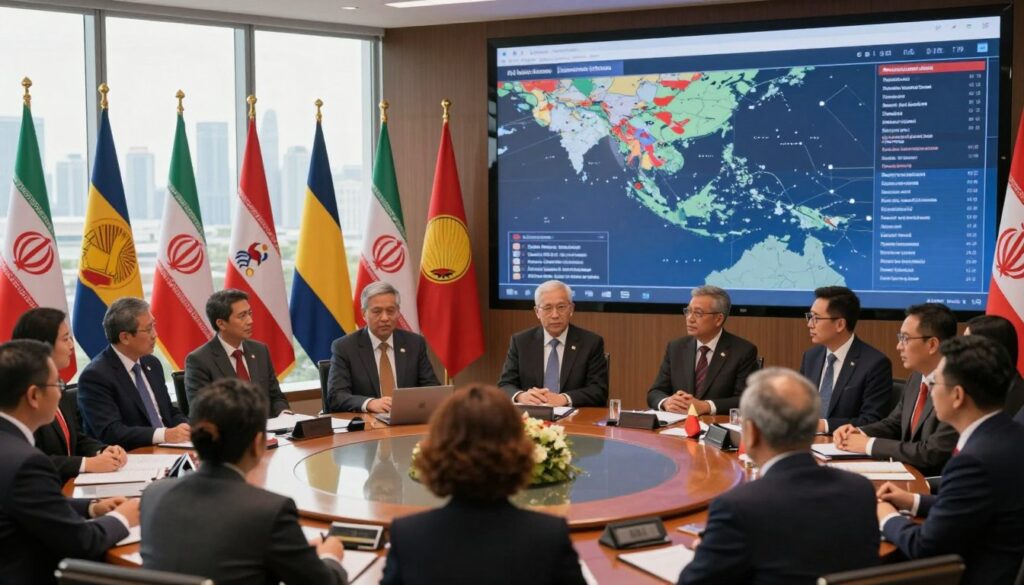
The summit is expected to reinforce ASEAN’s focus on collective action. By working together on energy security, trade route protection, and humanitarian preparedness, member states aim to safeguard the region’s stability amid global uncertainty.
The coming discussions will shape how Southeast Asia navigates the challenges of 2026 and beyond, with an emphasis on unity, resilience, and pragmatic diplomacy.