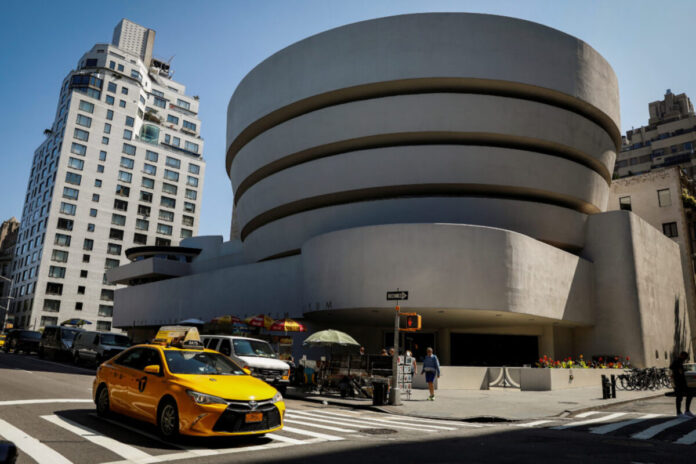
New York City’s famed Solomon R. Guggenheim Museum was among a number of Manhattan buildings that recently tested positive for the bacteria that causes Legionnaires’ disease, as the city grapples with a growing cluster of the disease cases on the Upper East Side.
The city health department released on Friday, a list 31 buildings ordered to clean and disinfect their cooling towers as officials work to contain the outbreak of Legionnaires’ disease, a serious form of pneumonia. The distinctive, cylindrical Guggenheim was among 19 buildings that had already completed the required remediation, according to the department’s list, with the rest expected to finish the work by Saturday.
City officials stressed that a positive test does not confirm any building as the source of the outbreak, noting the tests cannot distinguish between live and dead bacteria. The Guggenheim was not shuttered at any point because of the positive result or the cleaning work, officials said.
“The city has confirmed that there is no additional action needed at this time, and this poses no risk to anyone inside the building,” the museum said in a statement, adding that it employs an outside company to conduct regular monthly testing and treatment of its cooling tower.
According to an internal email, routine testing earlier in the week turned up Legionella bacteria in the museum’s cooling tower. A Guggenheim spokesperson said the tower is accessible only to facilities staff and poses no risk to visitors, and that facilities employees who work near it have been notified and are taking appropriate precautions. The museum also briefed UAW Local 2110, the union representing Guggenheim workers; union president Olga Brudastova said she was satisfied with the response, noting the tower has already been treated and will be retested next week.
The scare comes at a tense moment for the museum, designed by architect Frank Lloyd Wright and designated a UNESCO World Heritage site. Last month, 93 percent of unionized Guggenheim workers voted to authorize a strike after contract talks stalled, though no strike date has been set.
City health officials have confirmed more than 50 cases of Legionnaires’ disease tied to the Upper East Side cluster, with fewer than 20 patients still hospitalized and no deaths reported so far. Inspectors have been testing cooling towers at more than 100 buildings in the neighborhood as they work to pinpoint the source of the outbreak.
The city has dealt with Legionnaires’ disease before. Last year, seven people died and more than 100 were sickened during a major outbreak in Harlem that was ultimately traced to cooling towers atop Harlem Hospital and a nearby construction site housing the city’s public health lab.
Legionella bacteria typically grow in warm water and can spread through building water systems such as showerheads, hot tubs and cooling towers, which are usually mounted on rooftops to regulate systems like refrigeration. The towers do not affect drinking water or a building’s indoor air or air conditioning. Legionnaires’ disease is not spread person-to-person; people typically contract it by breathing in tiny droplets of contaminated water.
Symptoms of Legionnaires’ disease usually appear between two days and two weeks after exposure and include cough, fever, headaches, muscle aches and shortness of breath, according to the U.S. Centers for Disease Control and Prevention. People age 50 or older, smokers, and those with chronic lung disease or weakened immune systems face a higher risk of severe illness.
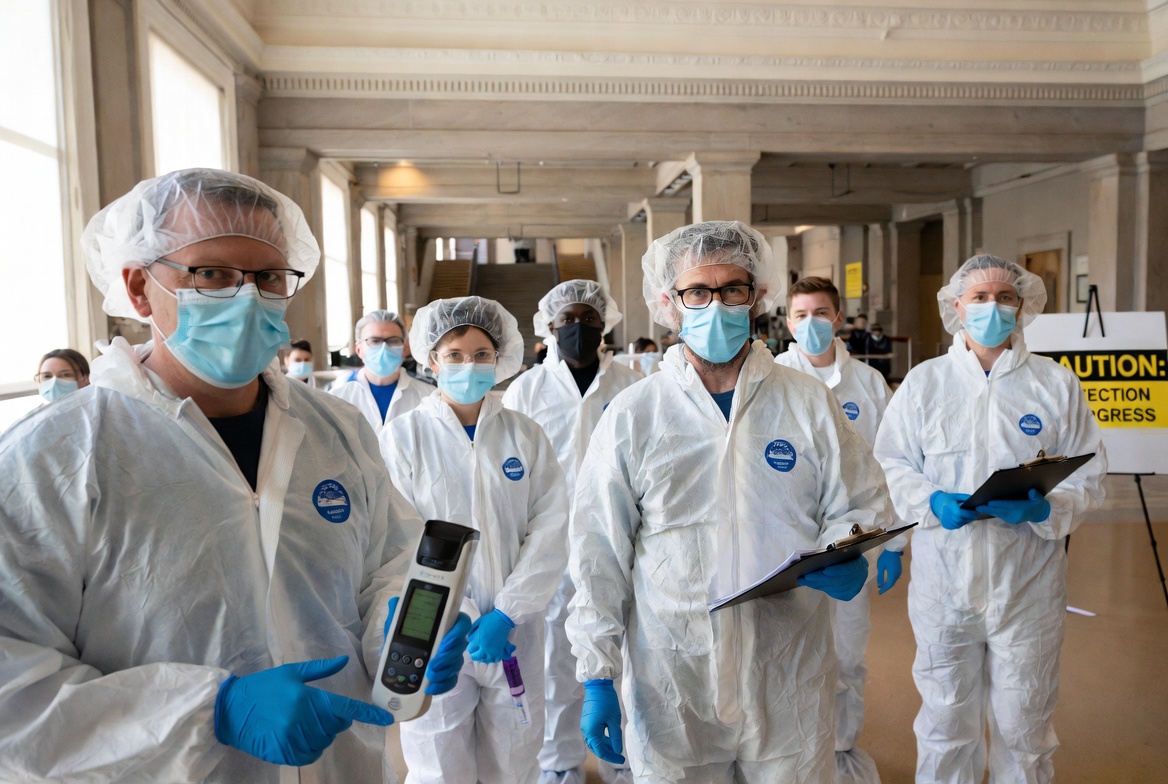
Legionnaires’ disease takes its name from a 1976 outbreak that struck attendees of an American Legion convention in Philadelphia, an episode that first brought the bacteria to widespread public attention and led to its identification. As remediation continues across the Upper East Side, city officials say they will keep testing buildings and monitoring new cases as they work to bring the outbreak under control.