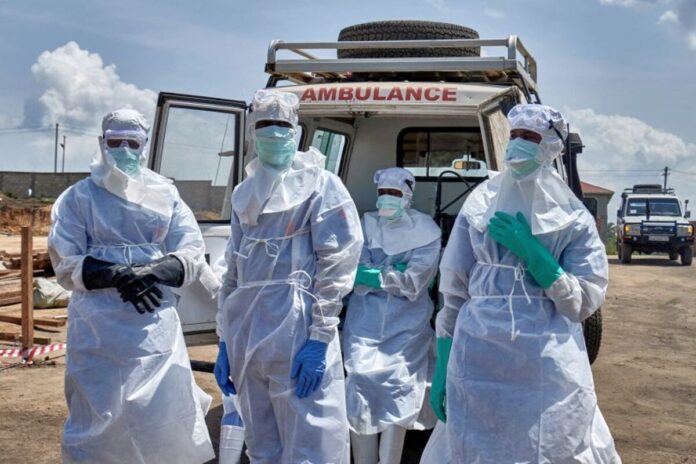
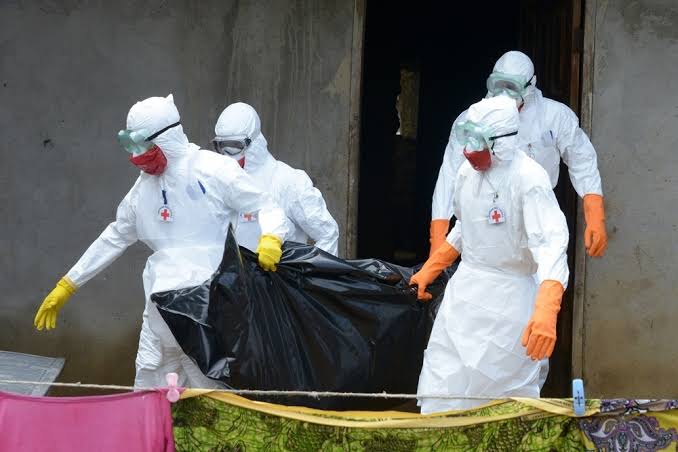
The United States Centers for Disease Control and Prevention raised its response to the ongoing Ebola outbreak in Central Africa to the highest level on Friday, signaling a dramatic escalation in the agency’s engagement as the deadly virus continues to spread rapidly across the Democratic Republic of Congo and Uganda.
In a briefing with reporters, Dr. Satish Pillai, who is leading the CDC’s Ebola response as the agency’s incidence manager, said officials were deeply worried about the pace at which cases are climbing and the widening geographic footprint of the disease. The agency elevated its response to Level 1, the highest classification within the CDC’s emergency management framework, reflecting what officials described as the urgency, scale, and complexity of the outbreak.
“This is now the second largest Ebola outbreak ever recorded in the Democratic Republic of Congo and the third largest Ebola outbreak documented globally,” Dr. Pillai told reporters on the call. He said the move to Level 1 activation was an internal signal to the entire agency that mobilizing staff and resources would now be the top institutional priority.
As of Friday, more than 1,100 confirmed cases had been reported between the DRC and Uganda since the outbreak was declared in mid-May, and officials said they expected that number to continue rising. At least 250 people have died, though health authorities believe the true death toll is considerably higher, given that the virus appears to have been spreading undetected for some time before it was identified.
Despite the severity of the situation abroad, U.S. officials were emphatic that Americans face a low risk of domestic spread. Dr. Kevin Chatham-Stephens, the CDC’s Deputy Incident Manager for Domestic Preparedness, said the United States has robust public health infrastructure in place to detect, isolate, and manage any potential cases that might arrive on American soil. He noted that health departments across the country have been involved in hundreds of briefings, webinars, and consultation calls since the outbreak was declared, and that more than 6,000 clinicians attended a recent educational session on recognizing and managing suspected Ebola cases.
The CDC currently has approximately 100 staff members deployed domestically and internationally as part of its response, including 24 permanent staff in the DRC and nearly 100 in Uganda. Dr. Pillai said additional personnel are being rostered and deployed as needs evolve on the ground. The agency is also providing financial resources to implementing partners and has trained nearly 1,000 field epidemiologists in the DRC over the past two decades, many of whom are now working on the front lines of the response in areas where U.S. government personnel cannot travel.
The announcement came days after the Trump administration asked Congress for an additional $1.4 billion in supplemental funding to support the Ebola response, and shortly after the CDC extended its travel restrictions on certain non-U.S. citizens who had recently been present in Congo, South Sudan, or Uganda. Those restrictions are now set to remain in place through July 21.
Infectious disease experts and global health organizations, including the WHO, have long cautioned that travel bans rarely prevent the spread of pathogens and can hinder response efforts by breeding stigma and discouraging people from reporting symptoms.
Adding to concerns about international spread, France recently confirmed an imported Ebola case in a doctor who had been providing humanitarian medical care in the DRC. French authorities said the individual reported symptoms immediately upon arriving in France and was promptly isolated. Contact tracing began at once, and no community transmission has been detected. The CDC said there were no reported exposures involving U.S. citizens linked to that case.
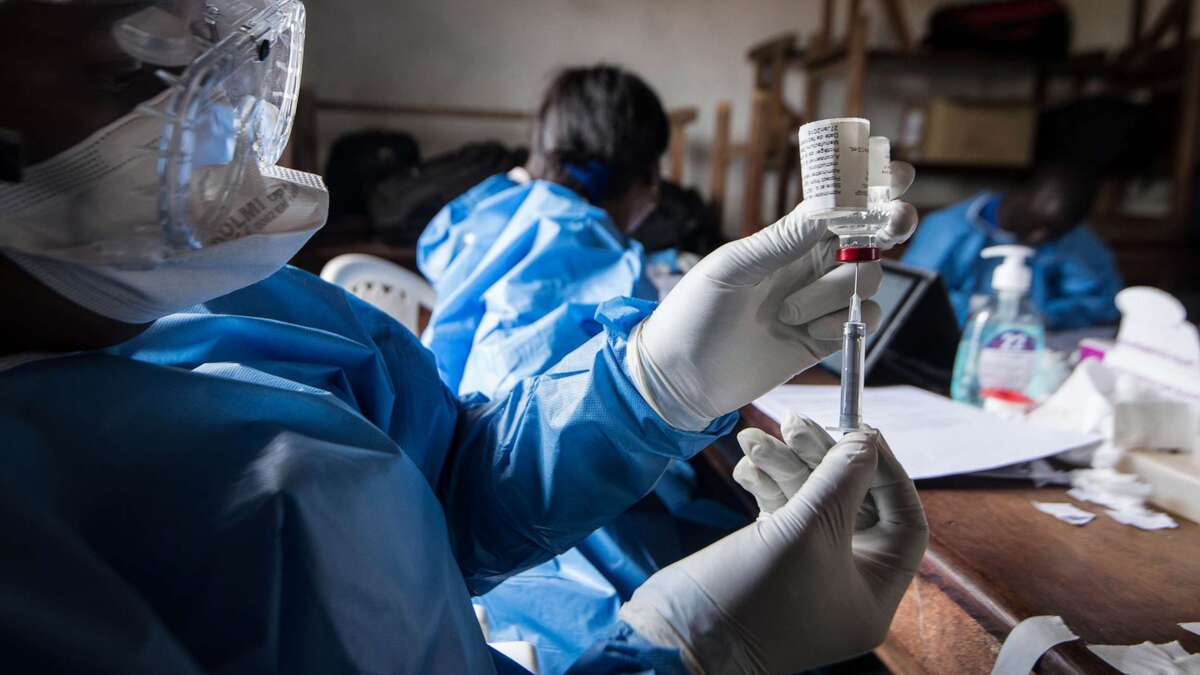
Democratic lawmakers have been pressing the administration for more information about the broader strategy to combat the outbreak, particularly urging officials to allow the CDC and other relevant agencies to collaborate directly with the WHO on containment efforts. Global health veterans of past Ebola crises have raised concerns that Washington’s current posture appears more focused on keeping the virus out of the United States than on helping to extinguish it at the source. This is an approach that experts warn may ultimately be counterproductive for both public health and national security.