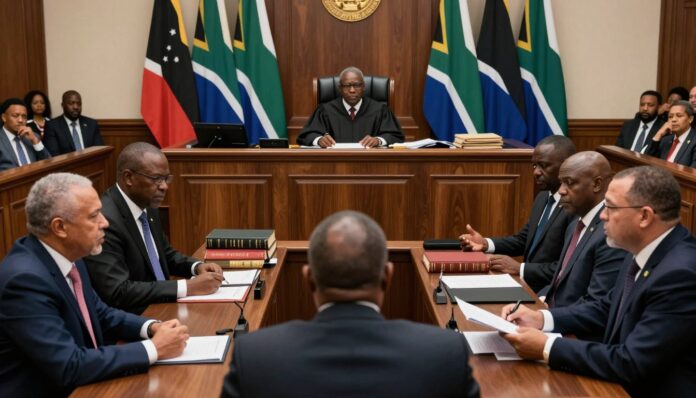
South Africa’s political landscape has been reshaped by a landmark High Court ruling that has intensified debate over presidential accountability, constitutional oversight, and the balance of power within the country’s democracy.
The ruling, tied to growing scrutiny surrounding the Phala Phala controversy, has become a defining moment for South Africa’s constitutional system. At the center of the debate is a critical question: how far can presidential power extend before Parliament and the courts intervene?
The Legal Challenge Behind the Crisis
The controversy emerged after allegations linked to undeclared foreign currency discovered at President Cyril Ramaphosa’s Phala Phala game farm triggered public outrage and demands for accountability.
Opposition parties and civil society groups argued that the matter raised serious constitutional concerns, particularly regarding transparency and executive conduct. As pressure mounted, many believed Parliament had failed to respond decisively, prompting calls for judicial intervention.
The courts subsequently became central to determining whether constitutional processes had been properly followed and whether the president could be held accountable under the law.
Understanding South Africa’s Impeachment Process
South Africa’s impeachment system is governed by Section 89 of the Constitution, which outlines how a president may be removed from office.
Under the law, a president can only be removed for:
a serious violation of the Constitution or the law,
serious misconduct,
or inability to perform the functions of office.
Before Parliament can proceed with impeachment, an independent panel is established to determine whether sufficient evidence exists for a prima facie case.
This Section 89 panel plays a critical role by ensuring that impeachment proceedings are based on evidence rather than political rivalry. Its findings help guide the National Assembly on whether a full inquiry should proceed.
The process was designed as a safeguard to balance executive authority with democratic accountability.
The High Court Ruling and Its Constitutional Significance
The High Court ruling reinforced the principle that no public official, including the president, is above the law.
Judges emphasized that presidential authority is subject to constitutional limits and that accountability mechanisms must function independently of political interests. The court also stressed the importance of procedural fairness, warning that any impeachment process must follow constitutional requirements carefully.
A major element of the ruling involved judicial review of evidence. The court signaled that allegations against the president cannot rely on political rhetoric alone and must be supported by credible facts.
The decision has now established an important precedent for future cases involving executive oversight and constitutional accountability.
Separation of Powers and Presidential Immunity
The ruling has also reignited debate over the separation of powers between the judiciary, executive, and legislature.
Supporters of the judgment argue that courts have a constitutional duty to intervene when executive conduct raises legal concerns. Critics, however, warn that excessive judicial intervention could undermine the authority of elected institutions.
Another major issue is presidential immunity. The court’s reasoning suggested that immunity is not absolute and that presidents remain accountable for actions that may violate constitutional obligations.
This interpretation could significantly influence future legal disputes involving executive authority in South Africa.
Political Reactions Across South Africa
The ruling triggered sharply divided reactions across the political spectrum.
Members of the ruling African National Congress (ANC) defended the importance of institutional stability while attempting to contain growing internal tensions over leadership accountability.
Some within the ANC warned that failure to address constitutional concerns could damage public trust in the party and weaken confidence in government institutions.
Opposition parties, meanwhile, welcomed the judgment as a victory for democratic oversight. They argued that the case demonstrated the judiciary’s essential role in ensuring political accountability and preventing abuse of power.
Civil society organizations also intensified calls for transparency, urging Parliament to strengthen oversight mechanisms and uphold constitutional principles without political interference.
Impact on Parliamentary Oversight
The controversy has exposed weaknesses in Parliament’s ability to hold the executive branch accountable.
Analysts argue that stronger oversight procedures are needed to ensure investigations into executive conduct remain impartial and transparent. The impeachment process has highlighted the ongoing tension between maintaining government stability and enforcing constitutional accountability.
The Section 89 panel itself has faced criticism over transparency and political pressure, illustrating the difficulties of conducting independent investigations in a highly polarized environment.
Still, many legal experts believe the case may ultimately strengthen democratic institutions by forcing reforms that improve legislative accountability.
Public Sentiment and Media Attention
The impeachment debate has dominated national discourse, with media coverage and social platforms amplifying public concern about governance and transparency.
For many South Africans, the case has become a test of whether democratic institutions are capable of holding powerful leaders accountable. Public trust in both Parliament and the presidency has come under intense scrutiny.
Advocacy groups have also played a major role by filing legal submissions, organizing campaigns, and pushing for institutional reforms aimed at protecting constitutional democracy.
International and Economic Implications
The political uncertainty has drawn international attention as investors and foreign governments monitor South Africa’s stability closely.
Regional partners view South Africa as a key political and economic force on the continent, making leadership disputes particularly significant for regional cooperation and investor confidence.
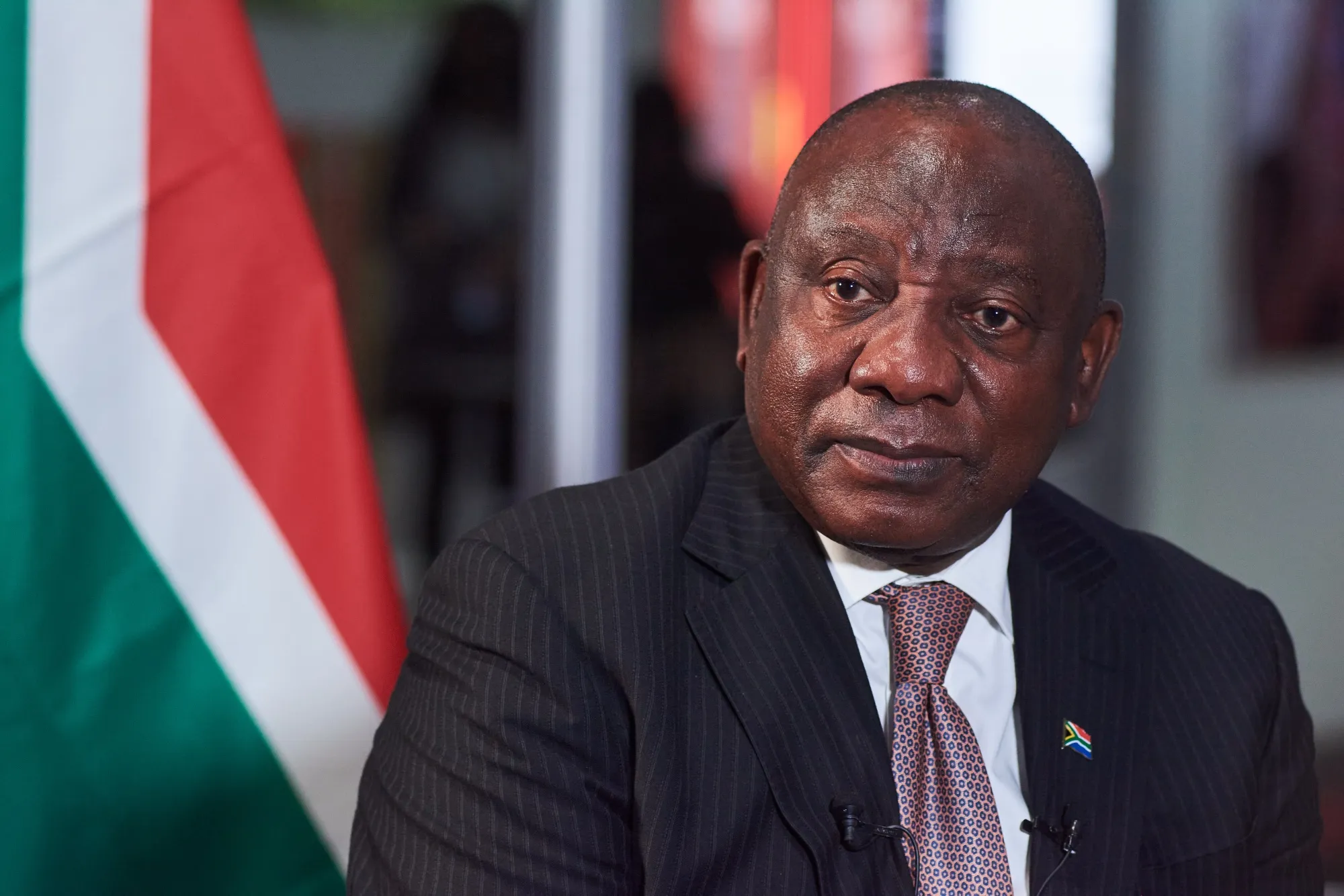 Economic analysts say political transparency and constitutional stability remain essential for maintaining foreign investment and preserving long-term growth prospects.
The Future of South African Democracy
The High Court ruling may ultimately become one of the most significant constitutional moments in South Africa’s post-apartheid history.
At its core, the case is not only about one president or one scandal. It is about defining the limits of executive power, protecting democratic institutions, and reinforcing the principle that constitutional accountability applies to all leaders equally.
As South Africa navigates the next phase of the impeachment debate, the strength of its democratic system will depend on whether its institutions can balance political stability with the rule of law.
The outcome could shape the country’s governance and constitutional culture for years to come.