For years, reports on unidentified aerial phenomena were hidden away. Now, retired military and intelligence veterans are pushing for change. They say UAP transparency is key for national security and trust.
Recent releases of government files mark a big change. These officials think we should know what’s flying in our skies. They aim to open up a dialogue between the public and those in power.
This article looks at how this push for openness is changing science. We’ll dive into the mix of policy and mystery in today’s world.
Key Takeaways
- Retired military and intelligence leaders are spearheading the demand for government openness.
- Greater access to data is viewed as a vital step for maintaining public trust.
- Recent document releases indicate a significant shift in how authorities handle aerial phenomena.
- National security concerns are now being balanced against the public’s right to know.
- This movement bridges the gap between scientific curiosity and government policy.
The Current Landscape of UAP Disclosure
The secrecy around aerial phenomena is slowly lifting. Now, we see a new way of sharing information. For years, the government kept quiet, but today, we need to talk more openly. This change lets people see the data for themselves.
Evolution of the UAP Terminology
How we talk about things affects how we see them. Switching from “UFO” to Unidentified Anomalous Phenomena is a big step. It’s a way to study these events without old biases.
This change is more than just words. It shows a real commitment to rigorous investigation. Using Unidentified Anomalous Phenomena helps us focus on what we know, not what we guess. It’s a clear way to talk about things that are hard to explain.
The Pentagon’s Changing Stance
The government’s approach has changed from hiding everything to sharing some things. A big moment was on Friday, May 8, 2026. They released a lot of Pentagon UFO files to the public. These declassified documents give us a peek into how they track these mysteries.
By sharing these Pentagon UFO files, they want us to think for ourselves. This move shows they’re ready to end the days of hiding declassified documents. It’s a big step toward trust and a more informed public about the skies.
The End of Secrecy: A Shift in Official Narrative
We are seeing a big change in how officials talk about strange objects in the sky. For years, they would deny or mock these sightings. Now, they are taking a transparent and analytical approach.
From Dismissal to Serious Investigation
The government used to ignore these reports. But now, they want to be clear. A 1994 State Department cable is a great example of this change.
This cable talked about a Tajik pilot who saw an object do impossible things. These old reports are now seen as legitimate data points. By looking at these stories, officials are learning more about today’s sightings. This shows that the Pentagon UFO files are now seen as important, not just a bother.
The Impact of High-Profile Media Coverage
Public interest has really pushed for this change. Big media stories have made these topics common talk. When people want answers, the government has to respond.
The 2024 Pentagon report is a key moment in this shift. It shows the government is willing to say some things are unexplained. Even if they don’t say it’s alien technology, it’s a big step from the past.
This change is because of the mix of official doubt and real sightings. As more information comes out, the push for government disclosure grows. Whether these things are from humans or not, ignoring alien technology claims is over.
Key Figures Leading the Transparency Movement
A dedicated group of former officials is pushing for UAP transparency. They are not just theorists but seasoned professionals. They have spent decades serving the United States in critical roles.
Profiles of Retired Intelligence and Military Officials
The movement has a wide range of voices from aerospace and intelligence. For example, astronaut Buzz Aldrin saw a sizeable object near the moon in 1969. This was during the Apollo 11 mission.
Today, figures like retired Rear Admiral Tim Gallaudet are sharing their knowledge. They add credibility, making it hard for institutions to ignore reports of UAPs.
Motivations Behind the Push for Disclosure
Many leaders are driven by a sense of duty. They think the lack of information causes confusion and distrust among Americans.
Ethical Obligations to the Public
The push is rooted in a strong moral imperative. Officials believe the public has a right to know about phenomena that could affect their lives or national safety.
They say hiding such data is not right in a democratic society. They aim to make citizens more informed and resilient.
Concerns Regarding National Security Oversight
There’s also a worry about national security oversight. Experts fear that classification systems hide threats from those who protect us.
They believe national security oversight needs transparency. Without it, the government might miss vital information for defense in a complex world.
Legislative Efforts and Congressional Oversight
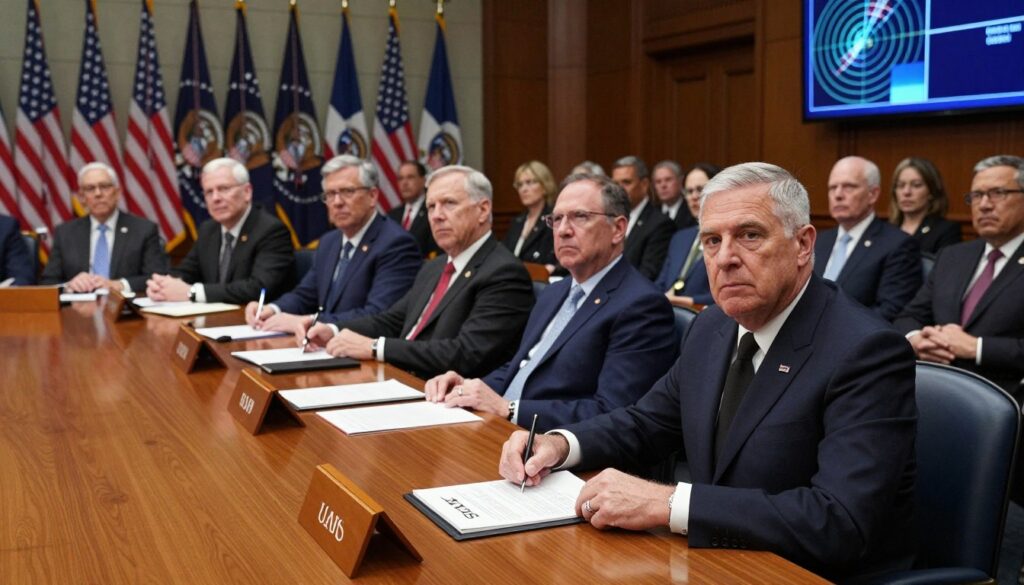
Congress is now leading the push for truth about UAP sightings. Lawmakers are using their power to demand openness about these enigmatic aerial events. This change is a big step away from the old days of secrecy.
The Role of the UAP Disclosure Act
New laws are being made to make Government disclosure the norm, not the exception. The UAP Disclosure Act wants to set up a clear way to share records that were once secret. It aims to break down the barriers that kept important info hidden.
People say this law is key to keeping the public’s trust in government. Transparency is seen as a way to bridge the gap between what the military knows and what the public should know. This push is changing how the U.S. deals with sensitive information.
Bipartisan Support in the House and Senate
Lawmakers from both parties are coming together for Government disclosure. At recent Congressional UAP hearings, they showed a strong desire to uncover the truth. This unity shows how urgent it is to tackle these long-standing reports.
Leaders like Representative Anna Paulina Luna are leading the charge. She’s pushing for the release of 46 UAP videos identified by insiders. These Congressional UAP hearings are key to making sure agencies are held accountable and evidence is shared.
- Establishing oversight committees for UAP data.
- Mandating the review of classified video archives.
- Protecting whistleblowers who provide testimony.
- Ensuring regular reporting to the public.
The Role of Whistleblowers in Modern UAP Reporting
Every big reveal about unknown phenomena starts with someone brave enough to speak out. These individuals risk their careers to share the truth. Their bravery is a vital catalyst for change in the government.
Legal Protections for Intelligence Community Whistleblowers
The government has set up laws to protect those who share sensitive info. These laws help employees speak up without fear of backlash. True transparency relies on these strong legal protections.
Key protections include:
- Access to the Intelligence Community Inspector General (ICIG).
- Prohibitions against retaliatory personnel actions.
- Secure channels for reporting classified concerns to Congress.
- Legal counsel support for navigating complex disclosure processes.
Case Studies of Recent Testimony
Recent whistleblower testimony has given us a deeper look into the mystery. For example, helicopter crews have described “super-hot” orbs. These stories match military sensor data, painting a fuller picture.
These stories are incredibly valuable. They connect the dots between technical data and real-life experiences. Officials like FBI Director Kash Patel are backing these efforts.
This change is clear at Congressional UAP hearings. Personal stories and military sensor data are taken seriously. This helps lawmakers push for answers. Protecting these voices is key for a transparent future.
Institutional Resistance and the Culture of Classification
Why UAP info stays hidden is tied to our government’s culture. For years, a silence has surrounded these reports. But, new leadership might change this.
War Secretary Pete Hegseth says the Department of War will work with the President for unprecedented transparency on UAPs. This is a big step toward openness. Yet, changing this culture is a tough task.
The Over-Classification Problem
One big problem is over-classifying almost everything. This means non-threatening data stays hidden for years. It keeps the public from seeing the whole story.
Releasing declassified documents aims to clear things up without risking security. But, changing this habit is hard. It needs a careful look at what’s really sensitive and what can be shared.
Internal Bureaucratic Hurdles
The size of government agencies also poses challenges. Bureaucratic resistance can slow down info sharing, even when leaders want to speed it up. This is because old systems focus on keeping info secret.
Getting through these layers is slow and hard. It takes time to change policies and train staff used to secrecy. Despite these hurdles, the push for meaningful change goes on. Overcoming this resistance is key to releasing declassified documents.
Public Pressure and the Demand for Accountability
The call for truth about Unidentified Anomalous Phenomena is louder than ever. For years, these mysteries were hidden. But now, people are demanding public accountability from the government about what they know.
The Rise of Citizen Science and UAP Research
Research has changed with the help of new groups. The Sol Foundation is leading the push for laws that require a full review of secret files. They want the truth to be out in the open, not hidden by red tape.
This interest is more than just curiosity. It’s about scientific rigor. Now, citizen scientists are using advanced methods to study Unidentified Anomalous Phenomena. Their work shows that the public can make real contributions to research.
Social Media and the Democratization of Information
Digital platforms are driving this push for openness. Social media lets people share and discuss declassified documents quickly. This democratization of information means the government can’t control the story as much anymore.
When new reports come out, they’re checked by many people right away. This collective effort creates strong public accountability. It pushes institutions to be more transparent. As more people get involved, the demand for full disclosure keeps growing, making it hard for officials to keep secrets about Unidentified Anomalous Phenomena.
Scientific Implications of Declassifying UAP Data
By moving beyond secrecy, the scientific world is ready to dive into unexplained aerial sightings. True scientific research needs quality, verifiable data. Without it, understanding these mysteries is hard.

Accessing Sensor Data for Academic Study
Researchers want to study raw military sensor data for clues on strange flight patterns. For years, they’ve looked at old records for answers. For example, a 1972 NASA photo from Apollo 17 shows three dots in a triangle. Some think it might be real, not just a camera trick.
Images like these show the power of modern analysis on old data. Scientists can test theories about alien technology claims with these tools. Getting access to this data helps move from guesses to real evidence.
Bridging the Gap Between Military and Civilian Science
The gap between national security and science has slowed our progress. Closing this gap is key to understanding the skies. When military data is shared with scientists, it helps a lot:
- It improves how we know our sensors work.
- It lets us use new tech to find patterns in flight data.
- It builds trust by showing evidence clearly.
- It helps create new theories to explain strange movements.
Being open is not just a political aim; it’s a necessary step for progress. By working together, we keep UAP studies focused on solid, unbiased research. This partnership could reveal secrets that have been hidden for years.
International Perspectives on UAP Transparency
Unidentified aerial phenomena don’t care about borders. This makes global UAP cooperation key to understanding them. Many talks focus on home policies, but sightings are a global issue for nearly a century.
A 1948 report from U.S. airmen in the Netherlands talked about flying saucers. This shows these sightings aren’t just local but a worldwide enigma.
Global Cooperation and Information Sharing
True UAP transparency needs a team effort across borders. When countries share data and reports, we all see the sky clearer.
This scientific research is essential to stop guessing. By working together, we can use advanced tools on data stuck in single agencies.
How Other Nations Are Handling UAP Reports
Every country is finding its own way to deal with sightings. Sweden, for example, has a history of documenting aerial mysteries through both military and civilian efforts. This encourages open investigation.
Other countries are figuring out how to fit their findings into a bigger scientific research picture. As more governments see the value of global UAP cooperation, the push for UAP transparency grows. This teamwork means no country has to solve this mystery alone.
Challenges Facing Future Disclosure Initiatives
Full disclosure is a goal that faces many obstacles. The push for openness is strong, but there are many barriers. It’s a challenge to meet the public’s need for truth with the realities of government work.
Balancing National Security with Public Interest
The main challenge is balancing national security oversight with the public’s right to know. Keeping sensitive information safe is a government duty, but it can conflict with the public’s need for information. Finding a balance is key to keeping trust in our institutions.
Bureaucratic resistance is a big issue when agencies are asked to release old classified information. This can slow down the process of whistleblower testimony. We need a system that values transparency but keeps the nation safe.
The Risk of Misinformation and Stigma
Transparency is not just about sharing documents. It’s also about giving context. Sean Kirkpatrick, former AARO director, says releasing data without analysis can lead to speculation. Without a clear plan, it’s hard for the public to know what’s real and what’s not.
Also, the stigma around UAP research holds back serious study. We need to create a space where whistleblower testimony is respected, not mocked. By tackling bureaucratic resistance and ensuring quality national security oversight, we can build a more open and trustworthy future.
The Path Toward a Transparent Future
Understanding unidentified aerial phenomena changes how we see our place in the universe. To achieve The End of Secrecy, we need open talks between governments and the public.
Public accountability is key. It makes sure data is open to researchers and citizens. This builds trust and strengthens our democracy.
Cracking these mysteries requires Global UAP cooperation. Sharing data and findings helps nations overcome old barriers. Together, we can understand the skies better.
This journey is ongoing, not a one-time event. By staying interested, you help make society more informed. Your curiosity keeps the conversation going.