ASEAN Summit 2026: How Southeast Asia is Navigating the Iran War Fallout

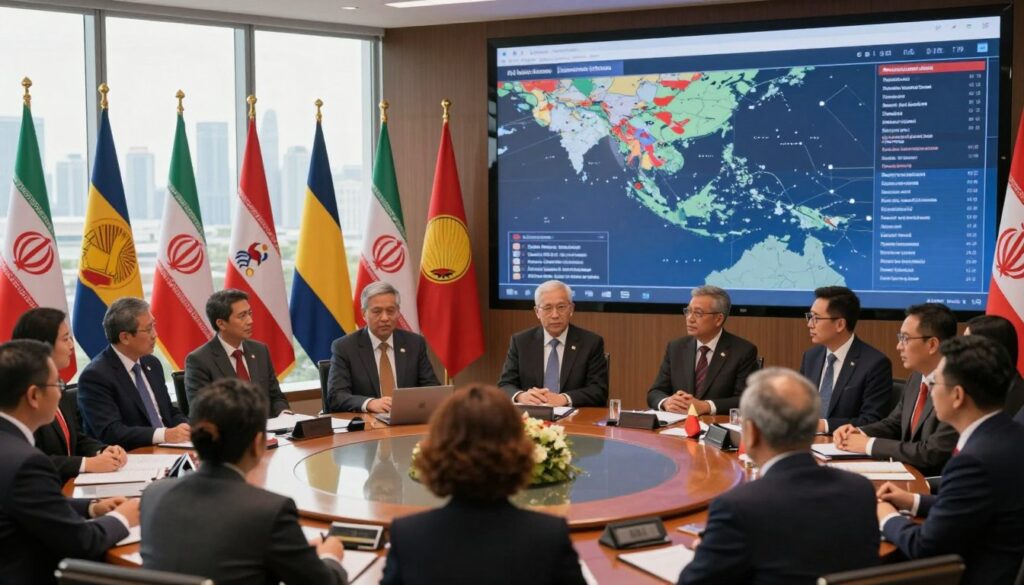
Global tensions are high, and leaders are coming together for the 2026 ASEAN Summit. They aim to tackle a big challenge. The Iran war fallout is affecting the world economy, and Southeast Asia is fighting to keep its stability.

This summit is a key moment for regional cooperation. The countries are working together to protect their markets and keep their people safe. Collective action is critical to ensure growth and security for over 700 million people.

Key Takeaways

  • Leaders are meeting to discuss the economic impact of Middle Eastern conflicts.
  • The region is prioritizing a unified strategy to maintain financial stability.
  • Protecting the livelihoods of 700 million people remains the top priority.
  • Diplomatic cooperation is essential to mitigate external security risks.
  • New policies are being drafted to navigate the current geopolitical climate.

The Geopolitical Landscape at the ASEAN Summit

The ASEAN Summit is key for Southeast Asia in these uncertain times. Global powers are vying for influence, changing the geopolitical landscape greatly. Countries must balance their own interests with unity.

Shifting Alliances in a Fragmented World

Nations in the region face tough choices due to global rivalries. This makes leaders reevaluate their alliances for regional security.

To tackle this, countries are adopting several strategies:

  • Diversifying trade to avoid relying on one power.
  • Strengthening regional diplomacy for a unified voice.
  • Boosting local infrastructure for economic strength.
  • Joining global talks to avoid being isolated.

The Role of Neutrality in Modern Diplomacy

Neutrality is a core value for the bloc. By staying out of global conflicts, Southeast Asia keeps its freedom and avoids proxy wars.

This focus on regional diplomacy is vital for peace. It makes the ASEAN Summit a place for dialogue among different nations. Ultimately, this approach helps the bloc handle a fragmented world while caring for its people.

Keeping this balance is tough but vital for regional security. As the ASEAN Summit grows, staying independent will be key to the region’s success.

Economic Shockwaves and Supply Chain Disruptions

The Iran war fallout is causing big problems for the global economy, hitting Southeast Asia hard. Manufacturing hubs are facing delays, leading to supply chain disruptions. This is a big worry for regional leaders, as it could upset the growth many countries have worked for.

Energy Price Volatility and Regional Inflation

Global energy prices have suddenly gone up, causing energy price volatility in the region. This rise in fuel costs makes transporting goods and making products more expensive. As a result, prices for everyday items are going up, affecting people’s lives.

To tackle these issues, many countries are looking at different ways to help:

  • They might give fuel subsidies to low-income families.
  • They could find new energy sources to cut down on oil imports.
  • They might build up their oil reserves to prepare for future price hikes.
  • They could work together more on sharing energy resources.

Maritime Security and Trade Route Vulnerabilities

Keeping the sea routes safe is now a big concern for leaders. Trade route vulnerabilities are a major topic in security talks. If major waterways get blocked, trade could come to a stand-still. Keeping energy imports flowing is key to keeping industries running and people stable.

Impact on the Strait of Malacca

The Strait of Malacca is a critical route for trade and energy. Any trouble here could have catastrophic consequences for oil and goods reaching Southeast Asia. Leaders are working hard to protect this key area to prevent economic disaster.

Diplomatic Balancing Acts Between Global Powers

The geopolitical landscape today needs careful handling. Major powers are boosting their military presence, and ASEAN must tread carefully. The main aim is to stop external conflicts from upsetting the local peace.

Keeping communication lines open is key for lasting stability. Regional leaders work to create a space for all voices. This way, they aim to avoid proxy wars in the area.

Managing Relations with the United States and China

Dealing with the U.S. and China is a delicate matter. ASEAN countries are often stuck in the middle of these powers’ rivalry. To stay free, they focus on a few key areas:

  • Building strong economic bonds with both powers to boost everyone’s wealth.
  • Working together on Indo-Pacific security through group efforts, not just one-on-one deals.
  • Handling shared border claims carefully to stop small issues from getting big.

These steps are critical to keep the balance of power. By staying neutral, ASEAN can work with both the U.S. and China without losing their freedom.

The Iran Factor in Regional Security Dialogues

The Iran war fallout has added complexity to talks on regional security. The Strait of Malacca, a key trade route, is a big worry. Any trouble here could hurt the economy fast.

Fixing these trade route vulnerabilities is now a top goal for security experts. They aim to keep sea traffic flowing, even with rising tensions. Cooperation among neighbors is the best way to protect these vital routes from trouble.

ASEAN Member States and Their Unique Policy Responses

Regional diplomacy is being tested as ASEAN member states craft distinct responses to global instability. Each nation within the bloc faces a different set of challenges. They need tailored strategies to protect their citizens and industries.

By focusing on national interests, these countries aim to maintain order. They also participate in the broader cooperative framework of the region.

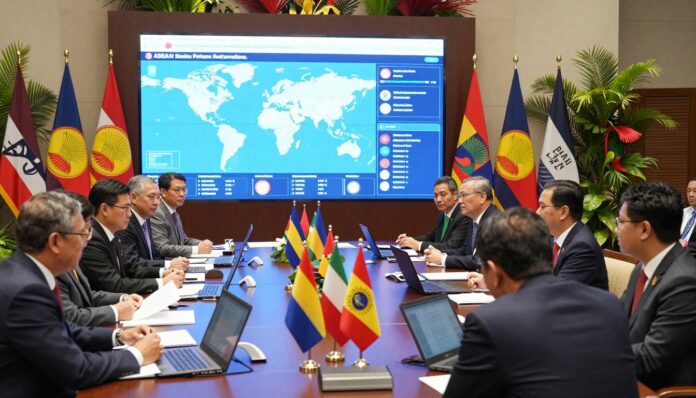
ASEAN member states navigating regional diplomacy

Indonesia and Malaysia: Navigating Domestic Public Sentiment

In Indonesia and Malaysia, leaders must carefully manage public sentiment regarding the ongoing conflict. Both nations have large populations that are deeply sensitive to geopolitical shifts, including energy costs. To maintain social harmony, governments are working to shield their citizens from the worst effects of energy price volatility.

These countries are implementing several measures to keep the economy steady:

  • Subsidizing fuel costs to prevent sudden spikes in local inflation.
  • Engaging in transparent communication to explain the impact of global trade disruptions.
  • Diversifying energy suppliers to ensure a more stable and reliable power grid.
  • Strengthening local supply chains to reduce dependence on volatile international markets.

Singapore and Vietnam: Prioritizing Economic Stability

Meantime, Singapore and Vietnam are focusing on economic stability. They view strategic partnerships as the best defense against uncertainty in Southeast Asia. By securing trade routes and fostering international cooperation, they aim to keep their markets open and resilient.

Singapore has leaned into its role as a global financial hub, using its diplomatic reach to secure favorable trade terms. Vietnam, on the other hand, is leveraging its growing manufacturing sector to attract investment despite the global climate. Both nations are actively promoting energy-saving initiatives to lower their overall consumption and mitigate the risks associated with energy price volatility.

Ultimately, the ability of these nations to adapt will define the future of the region. Through a mix of pragmatic policy and careful planning, they are working to ensure that their economies remain strong. This commitment to stability helps protect the collective interests of the entire bloc during these challenging times.

Humanitarian Concerns and Regional Migration Trends

The conflict in the Middle East is affecting people in Southeast Asia. Humanitarian concerns are now key in policy talks. Leaders see that instability leads to people moving.

It’s vital for ASEAN member states to focus on the social impact of this crisis. They must look beyond just money.

Addressing Possible Refugee Flows

The chance of more refugee flows needs a quick response. Nations are checking their plans to manage migration safely. Effective border management means creating safe paths for those in need.

Working together helps manage refugee flows better. Sharing info and resources can prevent chaos. This teamwork is key to regional stability.

Coordinating Regional Aid Efforts

Helping those affected by conflict needs a shared plan. Regional aid efforts must be clear and open. Compassion should guide these efforts to keep the region’s social ties strong.

ASEAN can show the way with well-organized regional aid efforts. Using past peace deals and diplomatic ties, they can support the vulnerable. Collective action is the strongest way to ensure no one is left out.

The ASEAN Summit and the Future of Regional Security Architecture

The ASEAN Summit is changing how we think about regional security. Leaders are working together to create a stronger system. This system will help keep peace in the region for a long time.

The group is focusing on stability for everyone. They want to keep the region stable, even when the world gets tough. Their goal is to protect the interests of all ASEAN member states together.

ASEAN Summit and regional security

Strengthening the ASEAN Outlook on the Indo-Pacific

The ASEAN Outlook on the Indo-Pacific is key for the region. It promotes inclusivity and following international law for Indo-Pacific security. This helps avoid conflicts that could harm the region’s growth.

This plan is more than just a policy. It’s a strategic tool for managing the sea. It helps keep shipping lanes safe for everyone’s benefit.

Enhancing Defense Cooperation Amid Global Instability

The summit is making defense cooperation a top priority. They’re sharing intelligence and planning together to face threats. This makes the region stronger as a whole.

They’re also linking electricity networks across the region. This helps countries support each other during tough times. It shows how economic and defense goals are now closely linked.

Technological Sovereignty and Cybersecurity Risks

The fast growth of digital economies in Southeast Asia brings big chances and big cybersecurity risks. As countries use new tech in their daily lives, the need for control over technology is key. Leaders are focusing on keeping their digital borders safe to protect national security.

Protecting Critical Infrastructure from Cyber Warfare

Today’s wars are fought in cyberspace as much as in the physical world. Enemies often attack key services. So, defending power grids and communication networks is a big deal for Indo-Pacific security.

ASEAN members are working together to fight off digital attacks. They share intelligence and work together to stop threats. This teamwork is key to keeping the region’s most important systems safe.

Digital Economy Resilience in Times of Conflict

A strong digital economy is key for modern trade and financial stability. When tensions rise, the risk of supply chain disruptions grows, like in the Strait of Malacca. Keeping digital trade platforms running is critical for economic stability.

Financial systems need to be strong against possible shutdowns to avoid market chaos. By investing in backup systems and secure data, the region is getting ready for the future. These steps help keep commerce going, even when things get tough.

Public Opinion and the Social Impact of the Conflict

Public opinion in Southeast Asia is changing fast due to the Iran conflict. This shift in the geopolitical landscape makes governments focus more on what their people think. Leaders now have to weigh external demands against the varied views of their citizens.

The Role of Social Media in Shaping Regional Narratives

Social media is where humanitarian concerns are discussed and spread quickly. These platforms often bring attention to refugee flows, stirring strong feelings. Governments struggle to manage the official story during crises because information moves fast.

The digital economy also affects how stories travel across borders. When people share updates, they shape how their country should react to global issues. This constant flow of info makes it key for policymakers to talk directly to their people to stop false information.

Managing Internal Social Cohesion

Keeping unity is tough when global power dynamics cause divisions. Governments are working to ensure that outside conflicts don’t split their society. They aim to keep the public informed and reduce internal disagreements through clear communication.

Effective strategies include showing that the nation is involved in regional aid efforts. Presenting defense cooperation as a step for security helps build trust. These actions reassure citizens that they are safe, even with global unrest.

Charting a Path Toward Regional Stability and Growth

Southeast Asian nations face a big challenge as they deal with global conflicts’ effects. To find lasting success, they need to work together on energy prices and keep trade routes safe. Leaders must focus on acting as one to keep the economy stable across the region.

Stopping supply chain problems is key for ASEAN countries. By building shared infrastructure, they can handle outside disruptions better. This teamwork also protects the digital economy from cyber threats that could harm financial systems.

Helping those in need is a must for all member states. Strong regional aid helps the most vulnerable during hard times. Planning ahead for refugees keeps peace and harmony in the region.

Working together is the best way to build a strong future. Shared goals help the region grow, even when faced with global challenges. Share your thoughts on how these strategies will shape Southeast Asia’s future.

spot_img

Related Articles

spot_img
Technology

Tech Firms Adopt Intent-Driven AI Software Development at Scale

PGA Championship 2026

PGA Championship 2026: Top Favorites for the Newtown Square Showdown ...

Sustainable Computing
South Africa President Impeachment
Hungary’s "Tisza" Party

Hungary’s “Tisza” Party: Can the New Supermajority Restore Democracy?

Empowering LDC Youth

Empowering LDC Youth: The Strategic Investment Shaping Developing Nations

Gaza’s Health Crisis

Diary Testimony in Elon Musk vs. OpenAI Trial Exposes Co-Founder Rift ...