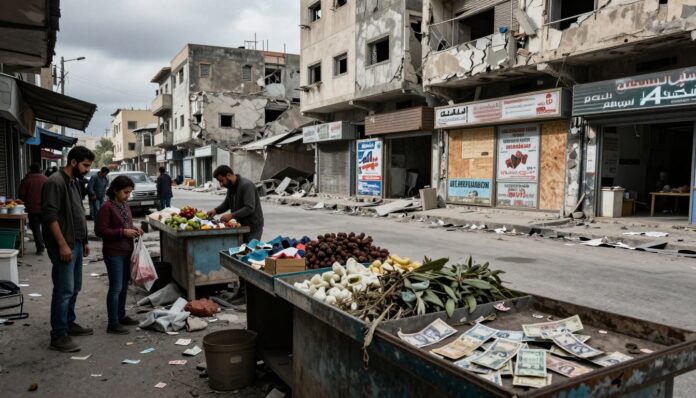
The end of active combat has not brought the relief many expected in Lebanon. A humanitarian crisis continues, with many families struggling to find food as traditional supply chains remain disrupted.
Displaced women are among those most affected. Without steady income or sufficient aid, many forage for wild herbs and greens to feed their children.
This situation differs from previous conflicts, where a return to normalcy was often possible. Today, the lack of stability means that survival remains the primary concern for thousands of vulnerable people.
Lebanon’s Fragile Peace
Lebanon’s current peace is fragile, shaped by longstanding political and economic difficulties. This period of calm is marked by uncertainty and ongoing challenges for citizens.
The roots of the current situation include years of political deadlock and economic mismanagement. These factors have weakened state institutions and affected daily life for many families.
Social stability is under strain due to displacement and limited resources. Many families remain unable to return to their homes, living in a state of prolonged uncertainty. Competition for scarce resources is increasing pressure on community ties.
Lebanon has experienced a severe economic collapse that has significantly reduced the purchasing power of most households. The national currency has lost much of its value, driving up the cost of basic goods.
Hyperinflation has made items such as bread, fuel, and medicine unaffordable for large parts of the population. The rapid rise in prices has made financial planning difficult for families.
The middle class has been particularly affected, with many professionals seeing their incomes lose value. This has widened the gap between different socioeconomic groups and increased pressure on the country’s social structure.
Household savings accumulated over years have been largely eroded. Many families now rely on support from relatives to meet daily needs, shifting their focus from long-term planning to immediate survival.
Foraging for Survival
Foraging for wild edibles has become a common practice for many families facing food insecurity. Gathering herbs such as za’atar, once a seasonal tradition, is now a primary means of obtaining food for some households.
This reliance on unregulated food sources carries health risks, including potential contamination from pollution or pesticides. Medical professionals have noted concerns about increased cases of foodborne illnesses linked to foraged goods.
Lebanon’s agricultural sector has been severely impacted. Rising costs of fertilizers and fuel, many of which are imported, have made farming unprofitable for many. As a result, large areas of previously cultivated land are now unused.
Many families have shifted to subsistence farming, growing food primarily for their own consumption. While this helps address immediate hunger, it does not provide a sustainable solution for national food security.
The humanitarian situation in Lebanon remains serious, with more than 1.2 million people displaced. Non-governmental organizations are playing a leading role in providing food, clean water, and medical supplies.
However, aid distribution faces logistical challenges due to damaged infrastructure and limited access to remote areas. Coordination among aid groups is sometimes limited, affecting the efficiency of relief efforts.
Children and displaced women are among the most affected. Rates of malnutrition have increased, particularly among young children. Families often reduce meal frequency or quality to stretch limited resources.
Educational disruptions are also significant. Many schools remain closed or damaged, and some children have been pulled from classes to help with family needs. Temporary learning spaces have been established, but they often lack sufficient resources.
Political stagnation has hindered effective responses to the crisis. The government has struggled to implement major economic reforms or restore public services.
Essential infrastructure, including electricity and water systems, has deteriorated. Frequent power outages and limited access to clean water have worsened living conditions for many households.
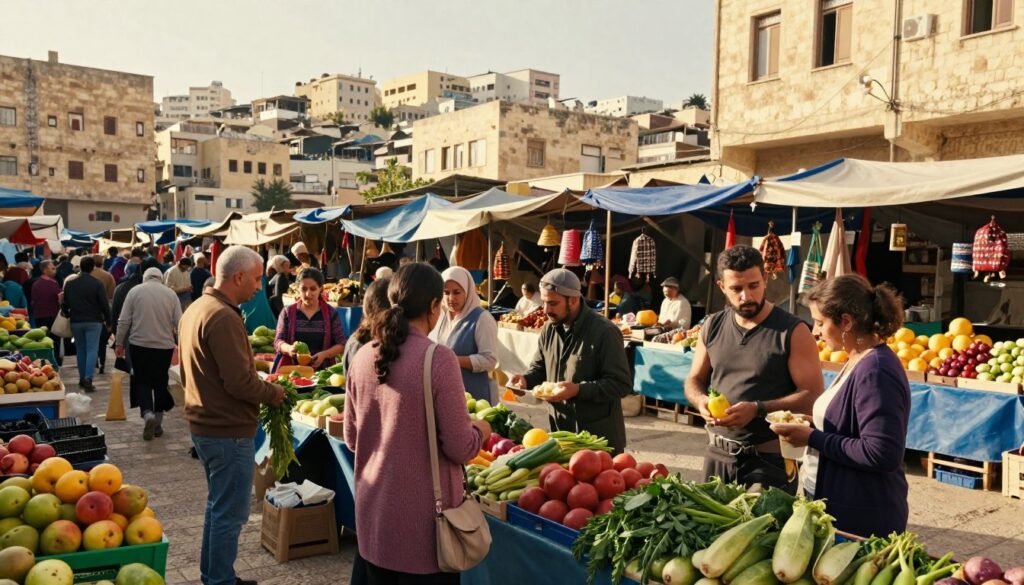
In the absence of strong state support, local communities have relied on informal networks for survival. Neighbors share resources, organize collective purchasing, and provide mutual aid.
The Lebanese diaspora has also played an important role, with remittances providing critical financial support to families. These external funds help cover basic expenses such as food, medicine, and fuel.
Regional tensions continue to affect Lebanon’s economy and security. Disruptions to trade routes and supply chains have increased the cost of imported goods and limited access to essential items.
Rebuilding Lebanon will require more than short-term relief. Sustainable recovery depends on restoring infrastructure, supporting agricultural production, and addressing underlying economic and political challenges.
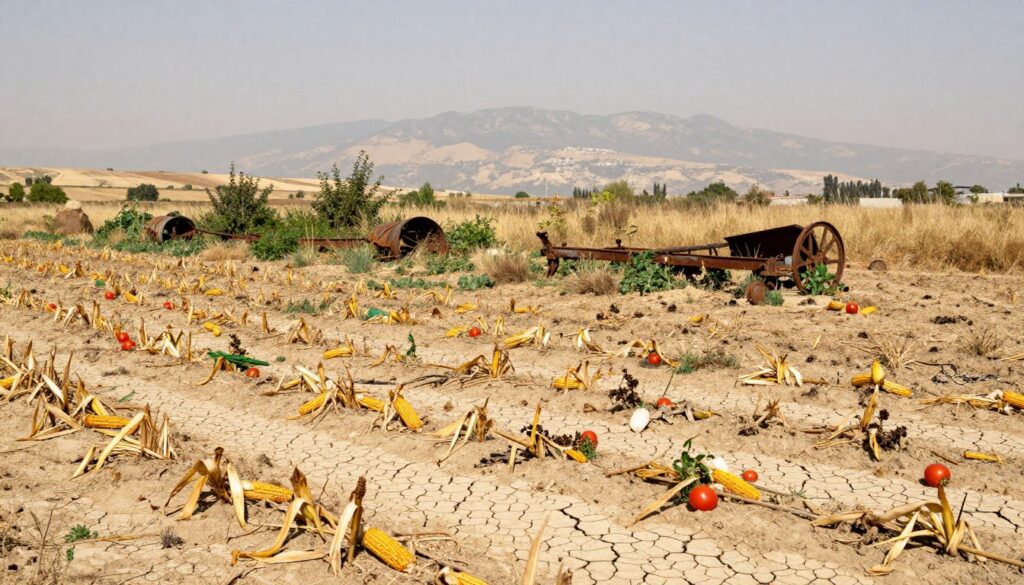
International support and coordination with local organizations will be important for long-term stability. The current situation highlights the need for both immediate humanitarian assistance and structural reforms to reduce vulnerability to future crises.