China has begun approving limited fuel exports and expanding energy diplomacy as Asia grapples with severe fuel shortages triggered by disruptions in global oil and LNG supply routes, according to officials and energy analysts in May 2026.
The shortages were sparked by the ongoing Iran conflict and continued instability affecting shipping through the Strait of Hormuz, a key chokepoint responsible for roughly 80 percent of Middle Eastern energy shipments to Asia. The disruption has sharply reduced supplies of crude oil and liquefied natural gas, pushing up prices and straining fuel-dependent economies across the region.
Several Asian countries, including the Philippines, have declared national energy emergencies amid shortages of jet fuel, diesel, and gasoline. Industrial activity and transportation services have also been affected, with some governments adjusting work schedules and cutting aviation capacity.
China initially restricted fuel exports in early March 2026 to protect domestic reserves, a move that further tightened regional supply. Prices for gasoil in Singapore surged by more than 50 percent within weeks, while jet fuel costs also spiked.
“China is not causing the crisis, but its export controls have turned a bad situation into a lever for influence,” said Dr. Michal Meidan of the Oxford Institute for Energy Studies.
Beijing entered the crisis with significant strategic advantages, including an estimated 1.2 to 1.4 billion barrels in crude reserves, expanded pipeline networks from Russia and Central Asia, and rapidly growing renewable energy capacity. Domestic oil production has remained steady at around 4 million barrels per day.
By mid-March, China began selectively easing export restrictions and engaging in energy diplomacy with affected countries. Governments from Australia, Bangladesh, and the Philippines have since sought increased fuel supplies and cooperation agreements with Beijing.
In some cases, energy discussions have been linked with broader diplomatic negotiations, including renewed talks on joint resource development in disputed maritime regions.
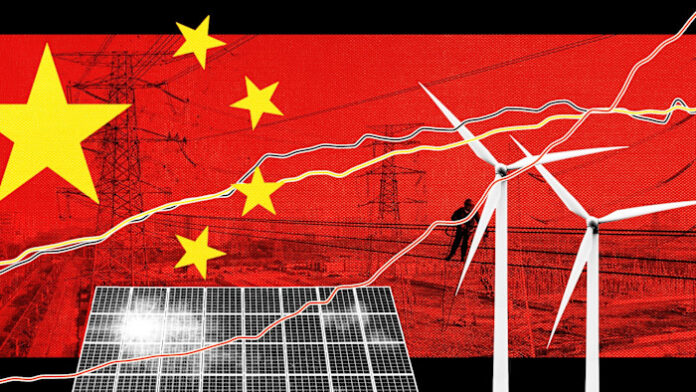
China has also accelerated exports of solar panels, wind turbines, batteries, and electric vehicles, positioning itself as a key supplier of both short-term energy relief and long-term clean energy solutions.
“The war has handed China a platform to demonstrate leadership,” said Prof. Xu Qinhua of Renmin University. “By offering both immediate fuel and future clean energy pathways, Beijing is reshaping regional dependencies.”
Energy shortages have contributed to rising inflation, manufacturing slowdowns, and increased transport and food costs across Asia. Fertilizer production has also been disrupted, raising concerns about agricultural output in countries such as Bangladesh and Thailand.
Despite the regional strain, China’s relative energy security has allowed it to maintain stability while expanding its influence in energy markets and diplomacy.
Analysts say the situation could accelerate long-term shifts toward renewable energy investment and regional diversification of supply chains, though many Asian economies remain heavily dependent on imported fossil fuels in the near term.