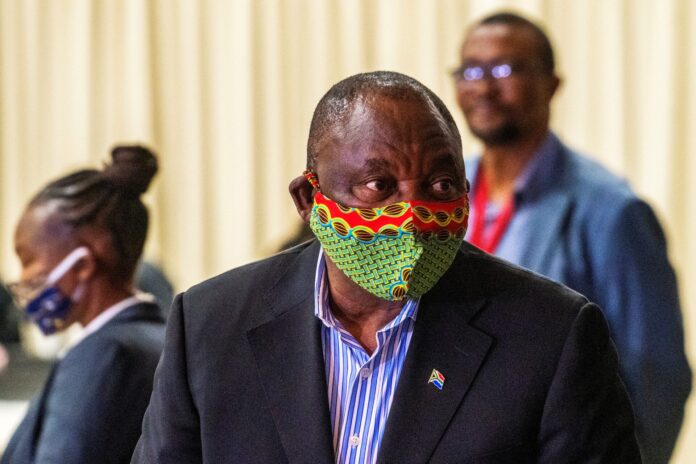
Former South African President Jacob Zuma appeared in court on corruption charges Wednesday, as prosecutors accused him of accepting more than 700 bribes over a decade, including alleged payments from French arms company Thales in exchange for political protection during a controversial government arms deal.
Zuma, who served as South Africa’s president from 2009 until his resignation in 2018 amid mounting corruption scandals, pleaded not guilty to all charges and described the case as politically motivated. The 79-year-old former leader faces multiple counts including corruption, fraud, racketeering, money laundering, and tax evasion in one of the country’s most closely watched legal battles since the end of apartheid.
Allegations Of Hundreds Of Payments
Prosecutors alleged that Zuma received 791 separate payments between 1995 and 2005, either directly into his personal accounts or through intermediaries who allegedly paid expenses on his behalf.
According to the indictment, the payments ranged from small sums of a few dollars to larger transfers worth tens of thousands of dollars. Prosecutors said the transactions were labeled in bank records under descriptions such as “Zuma family costs,” “Zuma household costs,” and “Zuma children education.”
The money allegedly totaled nearly $300,000 and was linked to companies associated with Zuma’s former financial adviser, who was previously convicted of corruption. Prosecutors claim the adviser acted as an intermediary between Zuma and Thales, soliciting bribes and channeling payments in return for political influence and protection.
Arms Deal At The Center Of The Case
The charges stem from a multibillion-dollar South African arms procurement deal signed in 1999, a transaction that has long been shadowed by allegations of corruption.
Prosecutors claim Zuma agreed to accept annual payments of around $40,000 from Thales between 1995 and 2001 in exchange for shielding the company from investigations linked to the deal. At the time, Zuma was rising through the ranks of the ruling African National Congress and later became deputy president of South Africa.
The prosecution described the relationship between Zuma and Thales as effectively forming part of an organized criminal enterprise.
Thales, which is also standing trial, pleaded not guilty to charges including racketeering and money laundering.
Long-Running Legal Battle
The corruption allegations against Zuma date back more than 16 years and have repeatedly resurfaced amid accusations of political interference in South Africa’s justice system.
Zuma was first implicated in connection with the arms deal in 2005, leading then-President Thabo Mbeki to dismiss him as deputy president. However, charges against him were later withdrawn and reinstated multiple times over the following decade.
Despite the legal turmoil, Zuma rebuilt his political career and was elected president in 2009. During his presidency, allegations of widespread corruption and “state capture” involving politically connected business interests intensified scrutiny of his administration.
The National Prosecuting Authority reinstated the arms deal charges in 2018 shortly after Zuma left office, clearing the way for the long-delayed trial to proceed.
Zuma Claims Political Persecution
Zuma has consistently denied wrongdoing and portrayed the corruption allegations as part of a politically motivated campaign against him.
Outside the courthouse in Pietermaritzburg, where hundreds of supporters gathered, Zuma insisted he had done nothing wrong.
“I have never taken anything from anyone,” he told supporters after proceedings ended.
His legal team also filed an application seeking the removal of lead prosecutor Billy Downer, arguing that the prosecutor was biased against him. Zuma further alleged that South African prosecuting authorities colluded with foreign intelligence agencies in an effort to frame him.
The judge said he would consider the application before the case resumes.
Separate Corruption Allegations Continue
While the current trial focuses on allegations linked to the pre-presidency arms deal, Zuma also faces broader accusations connected to corruption during his time as head of state.
A separate judicial inquiry into state capture previously heard testimony alleging that politically connected businessmen exerted influence over government appointments and contracts during Zuma’s presidency.
Zuma has repeatedly refused to testify before that inquiry despite court orders requiring him to appear, leading to additional legal battles and contempt proceedings.
Political And National Significance
The trial is being closely followed across South Africa, where corruption remains a deeply sensitive political issue. Zuma still commands significant support within parts of the African National Congress and among sections of the public who view him as a victim of political targeting.
At the same time, critics see the case as a major test of South Africa’s judicial institutions and their ability to hold powerful political figures accountable.
If convicted, Zuma could face a prison sentence of up to 25 years. Proceedings were adjourned until July as the court considers preliminary legal applications and prepares for the next phase of the trial.