
Gunmen have abducted at least 20 people, including a pastor and a new bride, in two separate attacks in Nigeria, underscoring the country’s worsening kidnapping crisis and the vulnerability of rural communities.
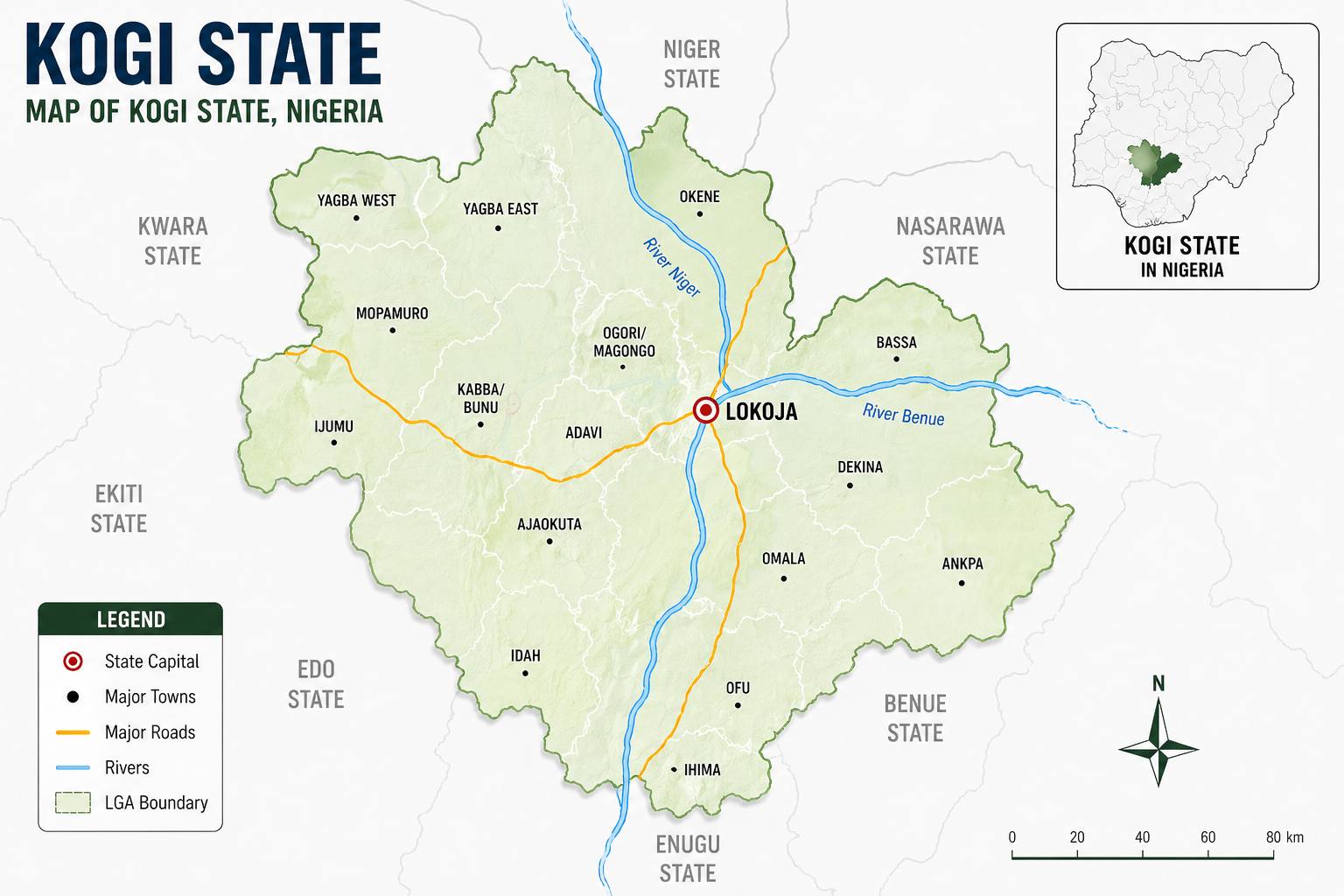
The abductions took place in central Kogi State and northern Sokoto State, where armed groups raided a church gathering and a pre-wedding celebration within hours of each other.
Attackers stormed the newly established Cherubim and Seraphim Church on Sunday in Ejiba, Kogi State.
Witnesses said the gunmen fired shots into the air, causing worshippers to flee in panic before abducting the pastor, his wife, and several congregants.
Kogi State government spokesman Kingsley Fanwo confirmed the attack but said authorities were still verifying the number of victims.
He said security forces and local vigilante structures had launched efforts to locate the kidnappers.
“The security network, comprising the conventional security agencies and the local security architecture, are currently doing what they should do,” he said.
Bride and Bridesmaids Taken in Sokoto
In a separate overnight raid in Sokoto State, a bride and several bridesmaids were among those abducted.
According to local reports, the bride had been preparing for her wedding ceremony the following morning when gunmen struck.
A baby, the child’s mother, and another woman were also reportedly taken during the raid.
The attack has shocked residents, with many describing it as another sign that no gathering is safe from armed kidnappers.
Schools and Worship Centres Increasingly Targeted
Schools, churches, mosques, and isolated villages have increasingly become targets in the latest wave of attacks across northern and central Nigeria.
Armed gangs often strike locations where large groups gather, believing communities or families may pay ransom quickly to secure the release of loved ones.
Although responsibility for the latest kidnappings remains unclear, most analysts say such raids are usually carried out by criminal gangs motivated by profit.
However, a presidential spokesman has suggested jihadist groups may also be involved in some cases.
Hundreds Still Missing From Earlier Raids
The latest abductions come as concern remains high over previous kidnappings.
Around 250 schoolchildren and 12 teachers were still believed missing following one of the largest recent school abductions, while victims seized in other incidents have reportedly been released.
Mass kidnappings of students have become a recurring security challenge in Nigeria, drawing international attention and criticism.
Ransom Ban Fails to End Crisis
Nigeria has outlawed ransom payments in an effort to break the business model behind mass kidnappings.
But security experts and residents widely believe payments continue through private negotiations, often because families feel they have no other way to secure the release of relatives.
That reality has allowed kidnapping networks to remain profitable and resilient despite military operations.

Nigeria’s security crisis drew fresh international attention last month after Donald Trump threatened to send troops if Nigeria “continues to allow the killing of Christians.”
Nigerian officials and analysts rejected the characterization, saying victims of kidnappings and attacks come from both Christian and Muslim communities.
They argue the violence is driven more by weak state control, criminal opportunism, insurgency, and rural insecurity than by a campaign against one faith group.
Pressure on Authorities
The latest attacks have renewed calls for stronger protection of schools, religious institutions, and remote communities.
For many Nigerians, repeated promises of tougher action have yet to translate into lasting safety.
As families in Kogi and Sokoto await news of the abducted victims, pressure is once again mounting on authorities to show they can contain one of the country’s most persistent security threats.