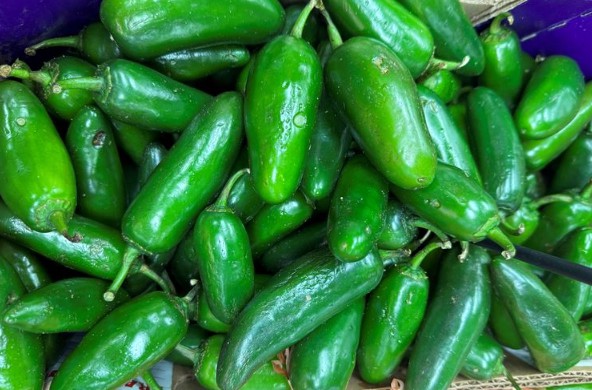
A multistate Salmonella outbreak tied to jalapeno peppers has grown significantly, with federal health officials now reporting 431 confirmed infections across 32 states, according to the U.S. Centers for Disease Control and Prevention. The updated figure, announced on Wednesday, marks a sharp jump from the 345 cases across 27 states that the agency had disclosed earlier this month, underscoring how quickly the outbreak has spread in recent weeks.
The CDC said the strain responsible for the illnesses is Salmonella javiana, a less common type of the bacteria compared with the strains typically behind foodborne outbreaks in the United States. As of August 19, the agency had recorded 57 hospitalizations linked to the outbreak, though no deaths have been reported so far. Health officials noted that illnesses connected to this salmonella outbreak began as early as June 19 and continued to be reported through August 2, suggesting the contamination source may have remained active in the food supply chain for several weeks before it was identified.
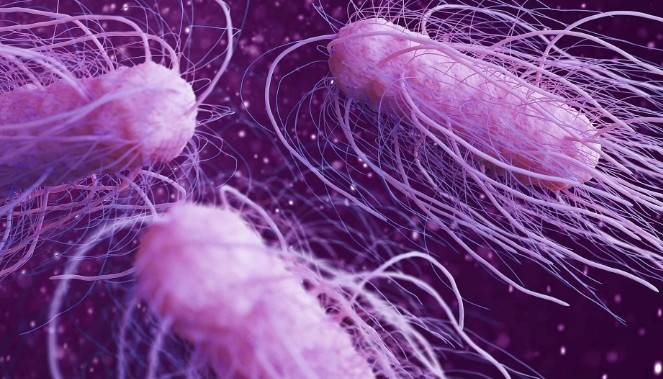
Salmonella is a group of rod-shaped bacteria responsible for salmonellosis, one of the most common types of foodborne illness in the country. People infected with Salmonella typically experience diarrhea, fever and abdominal cramping, with symptoms usually appearing within a few days of exposure. While most healthy adults recover without medical treatment, salmonella infections can be more severe in young children, older adults and people with weakened immune systems, sometimes requiring hospitalization.
Investigators traced the source of this outbreak to jalapeno peppers grown in Sinaloa, Mexico, and distributed in the U.S. by Coast Citrus Distributors. According to the CDC, an overwhelming majority of those interviewed, 91%, reported eating at a Mexican-style restaurant shortly before falling ill, with many specifically naming Chipotle Mexican Grill and QDOBA among the establishments they visited. In response to the growing number of salmonella cases connected to the tainted peppers, Chipotle has since switched to a different jalapeno supplier, while QDOBA opted to stop using the ingredient in its restaurants altogether as a precaution.
The salmonella outbreak is unfolding at the same time U.S. health authorities are investigating a separate multistate outbreak of cyclosporiasis, a different foodborne illness caused by a parasite rather than bacteria. That outbreak has been linked to lettuce supplied by Taylor Farms, one of the largest food-service produce producers in the country. Although the two outbreaks are unrelated in terms of pathogen and source, their overlap has renewed public attention on the vulnerabilities within the fresh produce supply chain, particularly for ingredients commonly used in restaurant kitchens.
Federal data show that salmonella remains one of the leading causes of foodborne illness nationwide. The CDC estimates that Salmonella bacteria cause more than 1 million illnesses in the United States every year, along with thousands of hospitalizations. Many of these cases go unreported because symptoms often resolve on their own without a trip to the doctor, meaning the true scope of salmonella’s impact could be even larger than official counts suggest.

Health officials continue to urge consumers, especially those who recently ate at Mexican-style restaurants, to monitor themselves for symptoms and to seek medical attention if diarrhea, fever, or cramping become severe or persistent. The CDC has also encouraged restaurants and food distributors to remain vigilant about sourcing and handling produce, as investigators continue working to determine exactly how the peppers became contaminated and whether additional states could see infections tied to the outbreak in the coming weeks.
This article was produced by the Maple Epoch Editorial Team. See our editorial standards and AI-use disclosure and editorial policy.