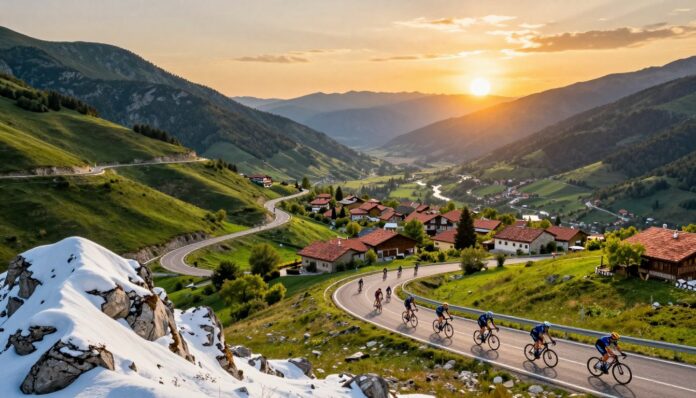
The Giro d’Italia has never been shy about testing the limits of professional cycling. Yet even by the race’s notoriously demanding standards, the 2026 edition stands apart.
Beginning with an unprecedented Grand Depart in Sofia, Bulgaria, and concluding after a brutal sequence of Alpine climbs in northern Italy, the route has already sparked debate among riders, team directors, and analysts over whether it represents the most difficult Giro ever assembled.
Stretching across multiple countries, climate zones, and mountain ranges, the 2026 race combines logistical complexity with relentless physical demands. Riders will face long transfers, unpredictable Balkan weather, technical descents, and some of the steepest climbs in Europe, creating a three-week challenge unlike anything seen in recent Grand Tours.
A Historic Start in Bulgaria
For the first time in the race’s history, the Giro will begin in Bulgaria, extending the event’s reach deeper into Eastern Europe than ever before.
The decision reflects the race’s growing international ambitions, but it also introduces significant challenges. Teams will be required to navigate unfamiliar roads, changing terrain, and complicated logistical arrangements from the opening stages.
Sofia’s selection as the Grand Depart host city is more than a symbolic gesture. It signals the Giro’s intention to expand beyond its traditional boundaries while showcasing cycling to new audiences across the Balkans.
For riders, however, the excitement of a historic start will quickly give way to the realities of a demanding route that leaves little room for recovery.
The Balkan Challenge
Unlike many recent editions that ease riders into the race before the mountains arrive, the 2026 Giro begins with a series of demanding stages across the Balkan Peninsula.
Narrow roads, rolling terrain, and potentially volatile weather conditions are expected to create nervous racing from the opening week. Teams seeking to protect their general classification contenders will face constant pressure to remain near the front of the peloton.
Early-season weather adds another layer of uncertainty.
Rain, cold temperatures, and strong crosswinds are common across parts of the Balkans during the spring, creating conditions capable of splitting the race apart before the decisive mountain stages even begin.
A poorly timed mechanical issue or crash could prove catastrophic for riders with overall ambitions.
Logistics Become Part of the Race
One of the most unusual aspects of the 2026 route is the extensive travel required between stages.
The transition from Bulgaria toward Italy, including movements across the Adriatic region, presents logistical challenges rarely encountered on this scale in modern Grand Tours.
Support staff will be tasked with transporting equipment, bicycles, nutrition supplies, and medical resources across significant distances while maintaining optimal recovery conditions for riders.
In a race expected to be decided by small margins, travel fatigue could become as important as climbing ability.
Teams with superior logistical planning may gain a meaningful advantage long before the race reaches the mountains.
The Alps Await
If the Balkan stages create uncertainty, the Italian Alps are expected to determine the winner.
The 2026 route features a succession of high-altitude climbs that many observers believe rivals the most difficult mountain schedules in Giro history.
Several iconic ascents return with new approaches, steeper gradients, or altered stage designs intended to encourage aggressive racing.
For general classification contenders, there will be few opportunities to recover.
Consecutive mountain stages mean riders must carefully manage energy reserves while remaining capable of responding to attacks from rivals.
The cumulative effect of sustained climbing could prove decisive.
Rather than one spectacular summit finish determining the race, the 2026 Giro appears designed to reward the rider who can consistently withstand pressure over multiple days in the mountains.
Built for Cyclists
The route’s difficulty is not limited to climbing.
Technical descents, changing road surfaces, and strategically placed time trials ensure that no single skill set will be enough to secure victory.
Descending ability may become particularly important.
Several mountain stages include complex downhill sections where confidence and bike-handling skills could produce meaningful time gaps.
At the same time, individual time trials remain critical despite the route’s climbing-heavy profile.
Strong time trial specialists will have opportunities to build advantages before the race reaches its most demanding mountain terrain, creating an additional tactical dimension for teams to manage.
The result is a course that rewards versatility as much as raw climbing strength.
The Riders Voice
Many riders have welcomed the challenge, but concerns regarding fatigue and safety have also emerged.
The combination of long transfers, difficult weather conditions, and repeated mountain stages has prompted questions about the cumulative strain placed on competitors.
Modern Grand Tours have increasingly focused on balancing spectacle with rider welfare. The 2026 Giro, however, appears willing to push those limits.
Several team officials have privately expressed concern that exhaustion could increase crash risks during critical stages, particularly following lengthy travel days.
The race’s demanding nature is likely to become one of the defining storylines of the season.
Weather Could Become a Decisive Factor
Few races are as vulnerable to weather as the Giro d’Italia, and the 2026 edition may be especially susceptible.
Conditions in the Balkans can vary dramatically from one stage to the next, while the high Alps remain notorious for sudden temperature swings and rapidly changing forecasts.
Riders may encounter warm valley temperatures one day and near-freezing conditions at altitude the next.
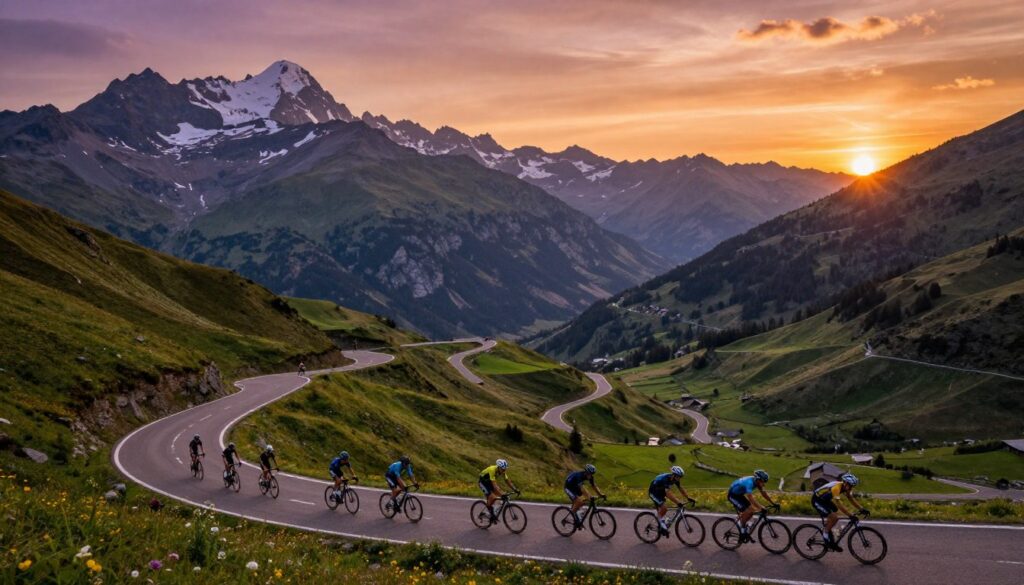
Managing hydration, nutrition, and recovery under such circumstances will require careful planning.
Teams that adapt quickest to changing conditions could gain significant advantages over less-prepared rivals.
Redefining the Modern Grand Tour
Whether the 2026 Giro ultimately becomes the toughest edition in history will remain a matter of debate.
What is already clear, however, is that race organizers have designed a route intended to push professional cycling’s elite to their absolute limits.
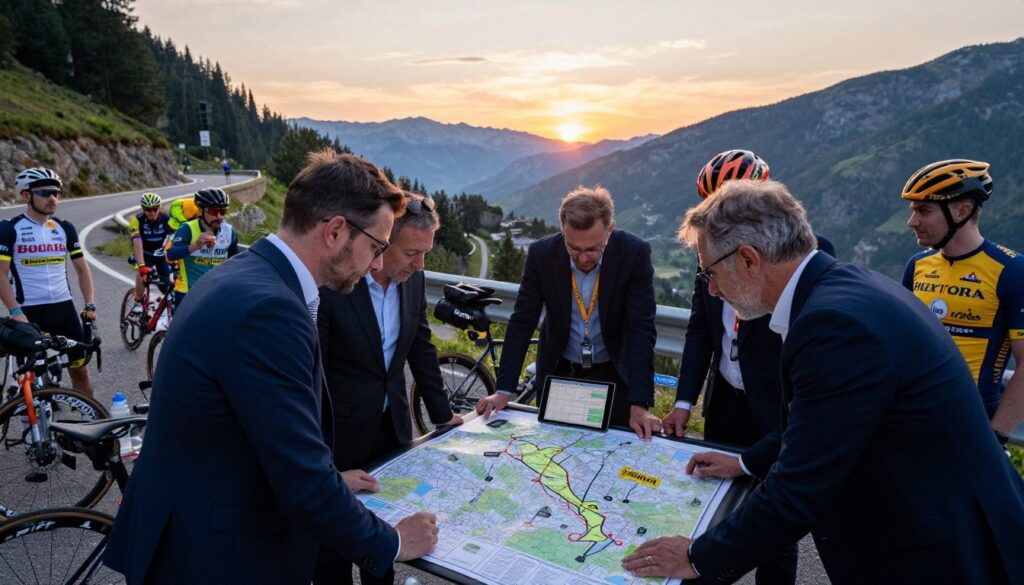
The combination of a historic Bulgarian start, complex logistics, punishing mountain stages, and unpredictable weather creates a challenge unlike any seen in recent years.
For fans, it promises three weeks of uncertainty, tactical intrigue, and dramatic racing.
For the riders, it may become a defining test of endurance in an era when Grand Tours continue to search for new ways to separate the extraordinary from the merely elite.