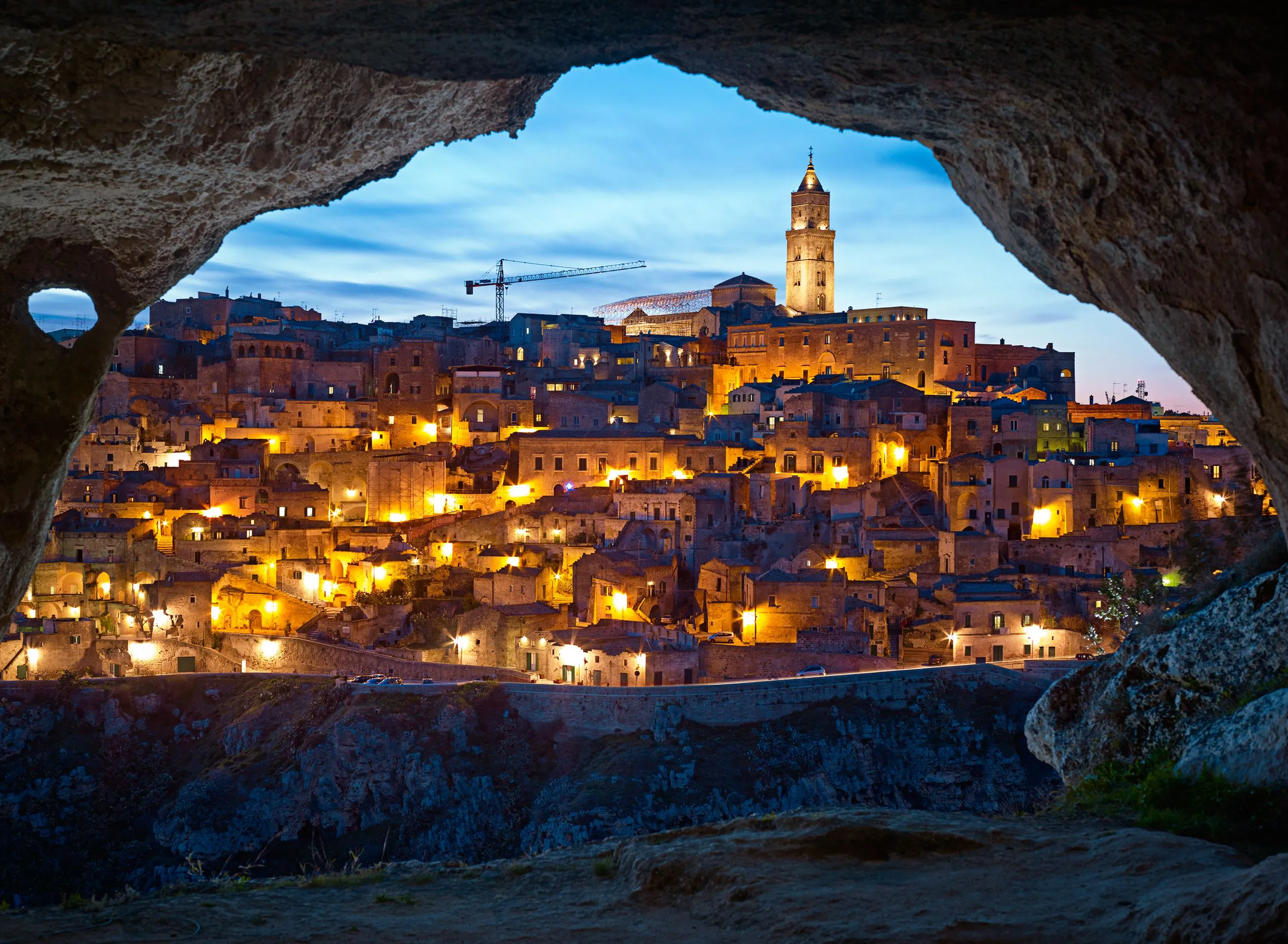
Imagine walking through ancient Roman ruins, savoring a plate of authentic pasta, or gliding along the canals of Venice. Italy is a country that captures the heart of every traveler with its rich history, vibrant culture, and breathtaking landscapes.
From the bustling streets of Milan to the serene vineyards of Tuscany, Italy offers an experience like no other. This comprehensive guide will help you plan your perfect Italian adventure in 2026, ensuring you make the most of every moment.
Preparing for an international trip can feel overwhelming, but with the right information, it becomes an exciting journey. We’ll cover everything from the best times to visit and how to get around, to must-try foods and essential cultural tips. Get ready to immerse yourself in the beauty and charm of La Dolce Vita.
Key Takeaways for Your Italian Journey
To make your trip smooth and memorable, keep these expert insights in mind:
Plan Ahead for Popular Sites: Book tickets for major attractions like the Colosseum or Vatican Museums well in advance to avoid long queues and guarantee entry.
Embrace Local Cuisine: Go beyond pizza and pasta. Explore regional specialties, fresh seafood, and local wines for a true taste of Italy.
Learn Basic Italian Phrases: A few simple greetings and questions in Italian can greatly enhance your interactions with locals and show respect.
Utilize Public Transport: Italy’s train system is efficient and affordable for inter-city travel. In cities, walking and local buses or trams are often the best options.
Consider Shoulder Seasons: Traveling in late spring (April-May) or early autumn (September-October) offers pleasant weather, fewer crowds, and often better prices than peak summer.
Why Italy Should Be Your Next Destination
Italy isn’t just a country; it’s an experience. Few places on Earth offer such a perfect blend of history, art, food, and natural beauty. It’s a destination that truly has something for everyone, whether you’re an art lover, a food enthusiast, an adventurer, or simply seeking relaxation.
A Tapestry of History and Art
Italy is home to more UNESCO World Heritage Sites than any other country. From the grandeur of the Roman Empire to the masterpieces of the Renaissance, every city tells a story. You can explore ancient forums, marvel at Michelangelo’s David, or wander through Pompeii’s preserved streets. The country is an open-air museum, constantly inviting you to discover its glorious past.
Culinary Delights Await
Italian cuisine is world-renowned, and for good reason. Each region boasts its own unique flavors and dishes, from Neapolitan pizza to Roman carbonara, and Sicilian cannoli. The emphasis on fresh, local ingredients transforms simple meals into unforgettable experiences. Dining in Italy is not just about eating; it’s a social event, a celebration of life and flavor.
Diverse Landscapes for Every Traveler
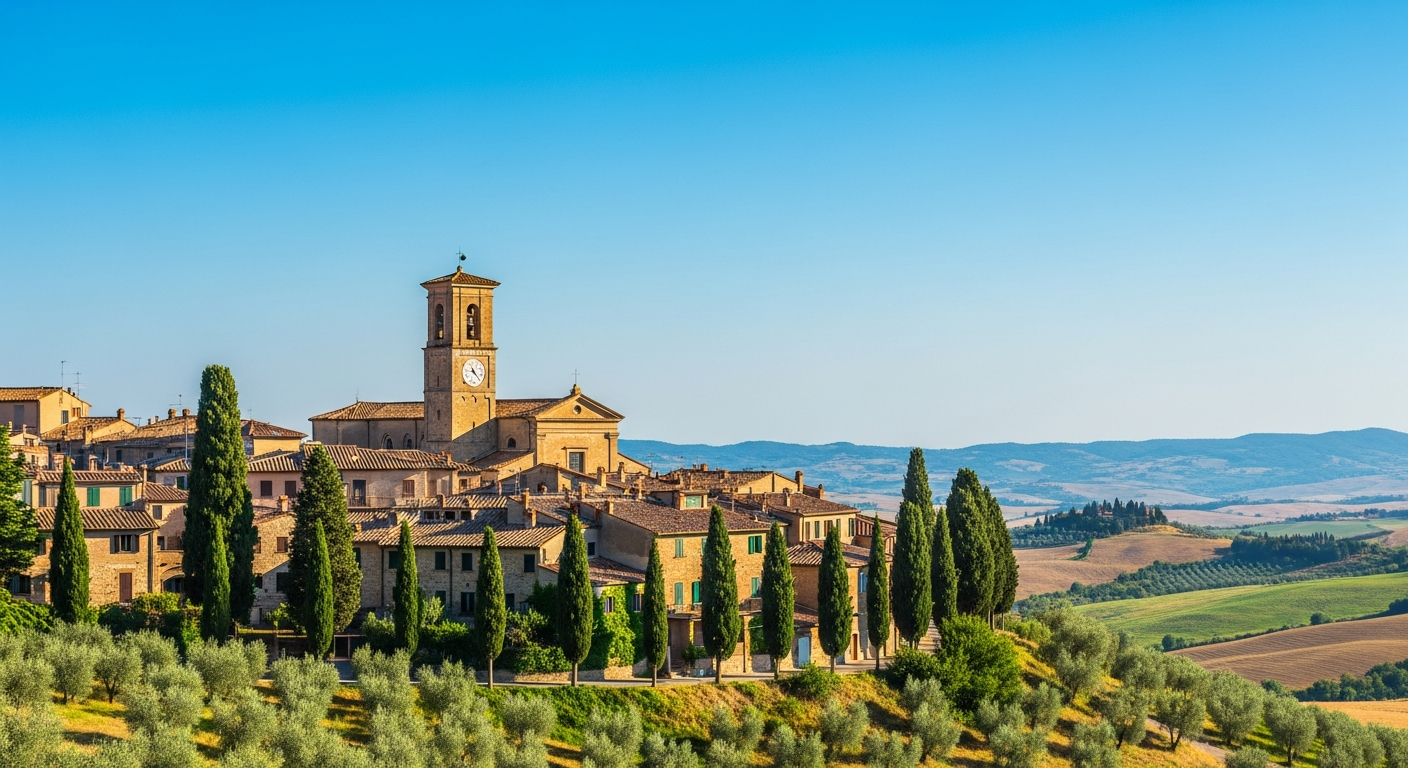
Beyond its cities, Italy offers incredible natural diversity. Picture the dramatic cliffs of the Amalfi Coast, the rolling hills of Tuscany dotted with vineyards, the stunning Dolomites in the north, or the beautiful beaches of Sardinia. Whether you prefer hiking, swimming, skiing, or simply enjoying scenic views, Italy’s landscapes provide a perfect backdrop for any adventure.
Planning Your Italian Adventure: Essential Steps
A well-planned trip is a successful trip. Here’s what you need to consider before you pack your bags.
Best Time to Visit
Choosing the right time to visit Italy can significantly impact your experience. Each season offers unique advantages and disadvantages.
| Season | Pros | Cons |
| Spring (April-May) | Mild weather, blooming flowers, fewer crowds | Can be rainy, popular spots start getting busy |
| Summer (June-August) | Warmest weather, long daylight hours, festivals | Hot temperatures, peak crowds, higher prices |
| Autumn (Sept-Oct) | Pleasant weather, harvest festivals, beautiful foliage | Some attractions may have reduced hours |
| Winter (Nov-March) | Fewer tourists, lower prices, winter sports | Colder weather, shorter days, some closures |
For most travelers, late spring and early autumn are ideal. The weather is comfortable for sightseeing, and the major tourist sites are less crowded than in the peak summer months.
Visa and Entry Requirements
Most visitors from the USA, Canada, UK, Australia, and New Zealand do not need a visa for stays up to 90 days within a 180-day period in the Schengen Area, which includes Italy.
Ensure your passport is valid for at least six months beyond your intended departure date from the Schengen Area. Always check the latest requirements from the Italian embassy or consulate in your country before traveling, as rules can change.
Budgeting for Your Trip
Italy can be as affordable or as luxurious as you make it. Here are some key cost considerations:
- Flights: Often the largest expense, especially for long-haul travel. Book in advance for better deals.
- Accommodation: Options range from budget hostels to luxury hotels. Prices vary widely by city and season.
- Food: Eating out can be expensive, but local markets and aperitivo (pre-dinner drinks with snacks) offer more affordable options.
- Transportation: Trains are economical for inter-city travel. Consider a rail pass if you plan to visit many cities.
- Activities: Museum entries, tours, and experiences add up. Look for city passes if you plan extensive sightseeing.
Getting Around Italy: Transportation Tips
Navigating Italy is generally straightforward, thanks to its well-developed transportation network.
Trains: Your Best Friend
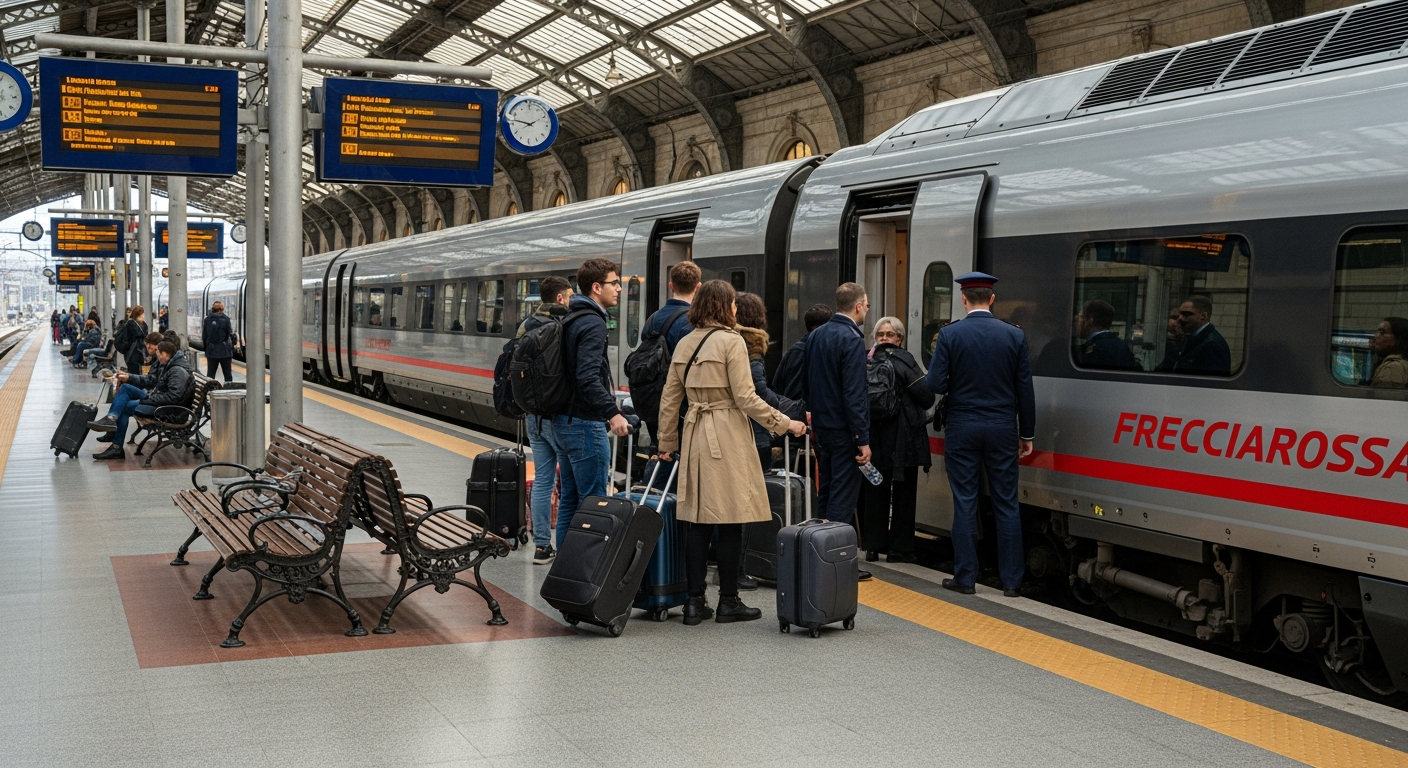
Italy’s national railway system, Trenitalia, connects almost every major city and many smaller towns. High-speed trains (Frecce) are fast and comfortable for long distances, while regional trains offer a more scenic and often cheaper alternative. Book tickets online in advance, especially for high-speed routes, to secure the best prices.
Driving in Italy: What to Know
While driving offers flexibility, it’s not always recommended for first-time visitors, especially in major cities. ZTLs (Limited Traffic Zones) restrict car access in many historic centers, and parking can be challenging and expensive. If you plan to explore rural areas like Tuscany or the Dolomites, renting a car can be a great option. Remember to obtain an International Driving Permit (IDP) before you leave.
Local Transport in Cities
Most Italian cities are very walkable, especially their historic centers. For longer distances, an efficient network of buses, trams, and metro lines (in larger cities like Rome and Milan) is available. Purchase tickets from tobacco shops (tabaccherie), newsstands, or vending machines before boarding.
Top Destinations Not to Miss
Italy is packed with iconic places. Here are some must-visit destinations:
Rome: The Eternal City
Rome is a living museum, where ancient history meets modern life. Explore the Colosseum, Roman Forum, and Pantheon. Toss a coin in the Trevi Fountain, marvel at the Vatican City, and savor a gelato near the Spanish Steps. Allow at least three to four days to truly experience Rome.
Florence: Cradle of the Renaissance
Nestled in Tuscany, Florence is an art lover’s paradise. See Michelangelo’s David at the Accademia Gallery, climb to the top of the Duomo for panoramic views, and cross the Ponte Vecchio. Florence also serves as an excellent base for day trips to Tuscan vineyards or Siena.
Venice: The Floating City
Unique and enchanting, Venice is built on water. Take a gondola ride, explore St. Mark’s Square and Basilica, and wander through its labyrinthine alleys and over countless bridges. Venice is best experienced by simply getting lost in its charm.
Milan: Fashion and Finance
Milan offers a different side of Italy, known for its fashion, design, and sophisticated urban vibe. Visit the magnificent Duomo, see Leonardo da Vinci’s Last Supper, and indulge in some high-end shopping. It’s a hub for modern Italian culture and business.
Amalfi Coast: Coastal Beauty
South of Naples, the Amalfi Coast boasts dramatic cliffs, colorful villages clinging to hillsides, and stunning sea views. Towns like Positano, Amalfi, and Ravello are perfect for scenic drives, boat trips, and enjoying fresh seafood. This region is ideal for a romantic getaway.
Tuscany: Rolling Hills and Wine
The heart of Italy’s countryside, Tuscany is famous for its picturesque landscapes, historic towns, and world-class wines. Explore cities like Siena and Pisa, or rent a car and drive through vineyards, stopping at local wineries for tastings. It’s the perfect place to slow down and enjoy the good life.
Savoring Italy: Food and Drink Guide
Food is central to Italian culture. Prepare your taste buds for an incredible journey.
Regional Specialties
Each region of Italy takes immense pride in its unique culinary traditions:
Lazio (Rome): Cacio e pepe, carbonara, amatriciana, supplí*.
Campania (Naples): Neapolitan pizza, fresh mozzarella, sfogliatella*.
Tuscany: Bistecca alla Fiorentina (Florentine steak), ribollita* (vegetable bread soup), Chianti wine.
Emilia-Romagna (Bologna): Tagliatelle al ragù, Parmigiano Reggiano, Prosciutto di Parma*, balsamic vinegar.
Veneto (Venice): Risotto al nero di seppia (squid ink risotto), sarde in saor* (marinated sardines).
Dining Etiquette
Italian dining is a relaxed affair. Dinner is usually later, often starting around 8 PM. It’s common to have an aperitivo before dinner. Don’t expect to rush your meal; enjoy the experience. Tipping is not mandatory, but rounding up the bill or leaving a few euros for good service is appreciated. Never ask for extra cheese on your seafood pasta!
“In Italy, food is not just sustenance; it’s a language of love, a connection to history, and a daily celebration of life. Every meal is an opportunity to gather, share, and savor the moment.”
– An Italian Food Historian
Cultural Immersion and Local Etiquette
Understanding local customs will enrich your travel experience and show respect.
Basic Italian Phrases
Even a few words go a long way:
Ciao (Hello/goodbye – informal)
Buongiorno (Good morning/day)
Buonasera (Good evening)
Grazie (Thank you)
Prego (You’re welcome/please)
Scusi (Excuse me)
Per favore (Please)
Mi scusi (I’m sorry)
Parla inglese? (Do you speak English?)
Dress Code for Churches
When visiting churches and religious sites, dress modestly. Shoulders and knees should be covered. This applies to both men and women. Keep a light scarf or shawl handy for impromptu visits.
Tipping Practices
Unlike in some Western countries, tipping is not a strong expectation in Italy. A servizio (service charge) might already be included in your bill, especially in tourist areas. If not, leaving a few euros for excellent service in a restaurant or for your tour guide is a kind gesture, but not obligatory.
Safety and Practical Advice
While Italy is generally safe, it’s wise to be prepared.
Staying Safe
Petty crime, like pickpocketing, can be common in crowded tourist areas, especially in major cities. Keep your valuables secure, be aware of your surroundings, and avoid flashing expensive items. Use common sense as you would in any unfamiliar place.
Health and Insurance
Ensure you have comprehensive travel insurance that covers medical emergencies, trip cancellations, and lost luggage. Tap water is safe to drink in most places. Keep any necessary prescription medications in their original packaging with a copy of your prescription.
Connectivity: SIM Cards and Wi-Fi
Stay connected with a local SIM card from providers like TIM, Vodafone, or WindTre, available at airports or phone stores. Many hotels, cafes, and public spaces offer free Wi-Fi, but a local SIM ensures reliable data on the go.
Italy truly offers a journey for the senses, a place where every corner holds a new discovery. From the ancient wonders of Rome to the artistic treasures of Florence, the romantic canals of Venice, and the culinary delights found everywhere, your trip to Italy in 2026 promises to be an unforgettable adventure. By planning ahead, embracing local culture, and savoring every moment, you’ll create memories that last a lifetime. Buon viaggio! Start dreaming of your Italian escape today.
Frequently Asked Questions (FAQ)
Q1: Is Italy expensive to visit?
Italy’s cost can vary greatly. Major cities like Rome, Florence, and Venice tend to be more expensive, especially for accommodation and dining. However, visiting smaller towns, utilizing public transport, and eating at local trattorias can help keep costs down. Budgeting around €100-€150 per person per day for mid-range travel is a good starting point, excluding flights.
Q2: What is the best way to travel between cities in Italy?
The train is generally the best way to travel between Italian cities. Italy has an excellent and extensive rail network, including high-speed trains that connect major destinations quickly and efficiently. Booking tickets in advance, especially for high-speed routes, can save you money.
Q3: Do I need to speak Italian to travel there?
While knowing some basic Italian phrases is helpful and appreciated by locals, it’s not strictly necessary in major tourist areas. Many people in the tourism industry, especially younger generations, speak English. However, venturing off the beaten path might require more reliance on translation apps or gestures.
Q4: What are some must-try Italian foods?
Beyond the famous pizza and pasta, you must try regional specialties. In Rome, try cacio e pepe or supplí. In Florence, bistecca alla Fiorentina. For sweets, gelato and tiramisù are essential. Don’t forget to sample local wines, cheeses, and cured meats like prosciutto.
Q5: How many days do I need for a first-time trip to Italy?
For a first-time trip covering major highlights like Rome, Florence, and Venice, a minimum of 7-10 days is recommended. This allows enough time to explore each city without feeling rushed. If you wish to include more regions or relax, consider 2-3 weeks.