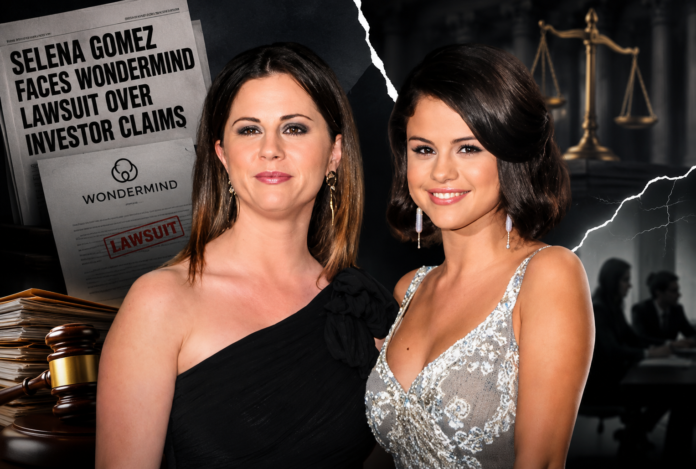
Selena Gomez and her mother, Mandy Teefey, are facing a federal lawsuit from investors who accuse them and the other founders of Wondermind of misleading investors and failing to deliver on promises made about the mental health startup.
Wondermind, launched in 2021 by Gomez, Teefey and entrepreneur Daniella Pierson, was created around the idea of making mental wellness resources more accessible. The company promoted mental fitness tools and envisioned a wider range of products and services, including a mobile app, podcast and editorial content.
The lawsuit, filed in federal court in Delaware, was brought by Wondermind SRS 44 LLC and Bespoke Wondermind SPV I LLC, two investment entities that say they put nearly $1.2 million into the company.
According to the complaint, investors were given an overly optimistic picture of Wondermind’s business prospects, leadership, partnerships and plans for expansion. They allege that several promises made during the fundraising process never became reality and that important information about the company’s financial and operational problems was not disclosed.
The investors are accusing Wondermind and its founders of securities fraud, common law fraud and breach of contract. They are seeking to cancel their investment agreements and recover damages.
The allegations have not been proven in court. Representatives for Gomez, Teefey and Wondermind had not immediately responded to requests for comment at the time of the filing. Pierson, however, has strongly rejected the accusations against her.
In a statement, Pierson said she expects to provide financial records and other documentation to challenge the claims. She also denied using investor money for personal expenses, saying she invested her own money into Wondermind and did not take a salary from the company.
At the center of the lawsuit is a dispute over what investors say they were promised when they committed money to Wondermind.
The complaint alleges that investors expected the startup to develop a complete mental wellness platform supported by Gomez’s celebrity profile and large audience. Among the projects they say were presented to them were a Wondermind app, a podcast, an editorial platform and other wellness products.
Gomez’s involvement was also allegedly presented as an important part of the company’s marketing strategy. According to the investors, she was expected to have a significant role in promoting and developing the business.
The lawsuit claims that many of those plans failed to materialize.
Investors also allege that they received updates suggesting Wondermind was growing and attracting major commercial opportunities. One example cited in the complaint involves claims that the company had more than 150,000 subscribers and was pursuing substantial advertising agreements.
The investors say they were also told that Wondermind had attracted interest from major celebrities and public figures for potential promotional opportunities.
According to the lawsuit, such representations helped create the impression that Wondermind was building a valuable and rapidly expanding business.
The investors now argue that the reality was very different.
The dispute intensified after media reports in 2025 raised questions about Pierson’s business history and the internal condition of Wondermind. Those reports prompted investors to seek explanations from the company and its leadership.
The lawsuit claims that Teefey subsequently made serious allegations about Pierson’s handling of company funds, including claims that investor money had been improperly used. Investors argue that they had not previously been informed about those alleged financial problems.
The complaint also references a later report that examined Wondermind’s internal operations and described significant turmoil within the company.
Investors say the reports forced them to confront problems they believe should have been disclosed much earlier.
In November, they say they formally sought to rescind their investments and recover their money. According to the complaint, they did not receive a substantive response that resolved the matter.
The lawsuit further alleges that investors were later told there was an escrow account that could be used to return their investments. The investors claim that when they sought further information about the account, communication stopped and the alleged arrangement failed to produce their money.
The complaint argues that Wondermind’s investors were repeatedly given information that created an overly positive impression of the company’s performance while important problems were allegedly kept from them.
The investors are also challenging representations they say were made about the backgrounds and responsibilities of Wondermind’s founders.
Gomez’s role in the business is a central issue in the complaint, with investors alleging that her promised involvement was not delivered as they expected. Pierson’s business record and Teefey’s experience running a startup are also questioned in the lawsuit.
Pierson faces additional allegations, including claims involving the alleged misuse of investment funds and unjust enrichment. Wondermind itself is accused of violating agreements governing how investor money would be used and failing to meet certain contractual obligations.
For Gomez, the case adds a legal challenge to a business venture that was closely connected to her public image and advocacy around mental health.
Wondermind was launched at a time when conversations about mental health and emotional well-being were becoming increasingly prominent, particularly among younger audiences. Gomez’s involvement gave the company immediate visibility and helped distinguish it in a crowded wellness market.
The lawsuit now raises questions about what happened behind that public image and whether investors were given an accurate understanding of the company’s financial position and prospects.
At this stage, the allegations remain claims made in a civil lawsuit, and the defendants will have an opportunity to respond in court. The case could ultimately determine whether the investors were misled and whether they are entitled to recover the money they put into Wondermind.
For now, the Wondermind lawsuit puts renewed attention on the challenges of turning a celebrity-backed wellness concept into a functioning business and the importance of transparency between startups and the investors who finance them.
This article was produced by the Maple Epoch Editorial Team. See our editorial standards and AI-use disclosure and editorial policy.