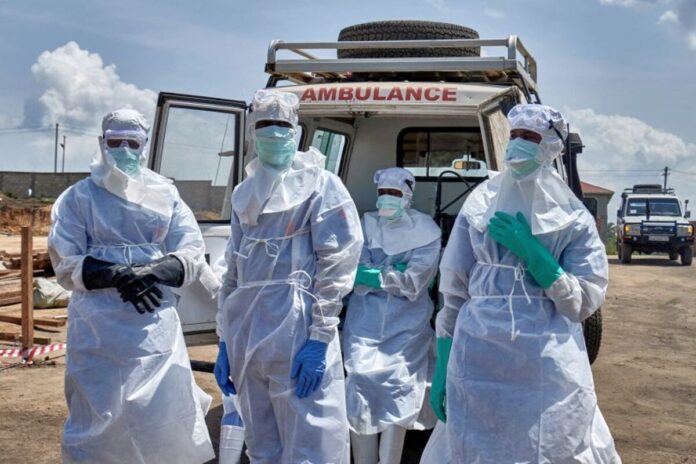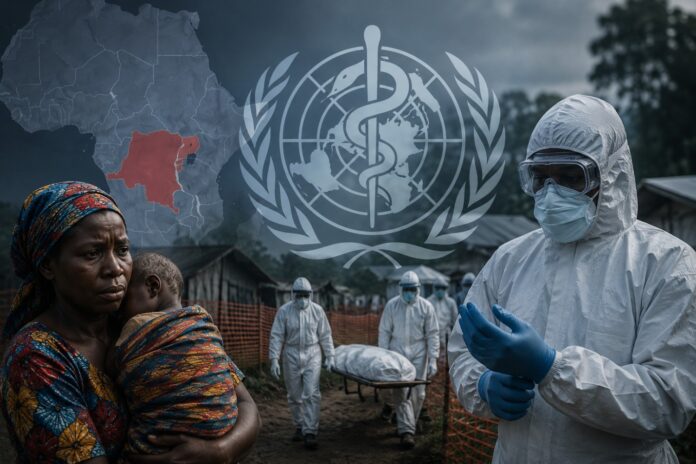
Health officials in the Democratic Republic of the Congo have launched a long-awaited clinical trial to test the first potential treatments for the Ebola outbreak driven by the Bundibugyo strain, marking a significant step in the international response to an epidemic that has killed hundreds of people since it began.
The World Health Organization announced this week that patient enrollment had opened for the PARTNERS trial — short for Platform Adaptive Randomised Trial for New and Repurposed Filovirus TreatmentS — which will assess whether two experimental therapies can improve survival rates among people diagnosed with Ebola disease caused by Bundibugyo virus. The trial is sponsored by WHO and coordinated by the Institut National de Recherche Biomédicale in the DRC, together with the Institute of Tropical Medicine in Belgium and the University of Oxford, with support from Africa CDC.
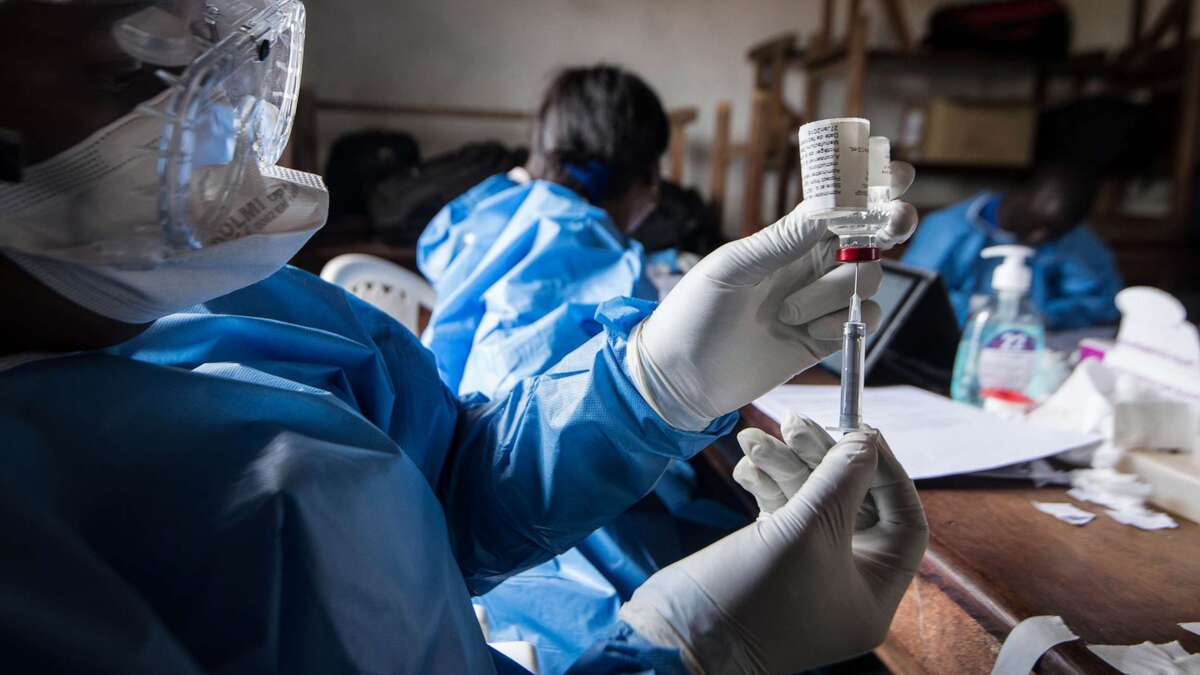
The study will test a monoclonal antibody known as MBP134, developed by Mapp Biopharmaceuticals, alongside remdesivir, an antiviral drug from Gilead Sciences best known for its use against COVID-19. Patients will be randomly assigned to one of four groups: those receiving MBP134 alone, remdesivir alone, a combination of both drugs, or standard supportive care. Neither drug has previously been tested in humans specifically for Ebola treatment, though both were recommended for prioritization by the WHO Technical Advisory Group after review of preclinical and safety data.
Unlike the more familiar Ebola virus strain that has caused several major outbreaks in Africa over the past decade, Bundibugyo virus has no licensed vaccines or approved treatments. While effective therapies already exist for classic Ebola virus disease, no drug has yet demonstrated effectiveness across all the virus types that cause Ebola-like illnesses, according to WHO.
More than 1,400 people have been diagnosed in the outbreak so far, with nearly 440 deaths and around 210 recoveries recorded in the DRC. Neighboring Uganda has reported an additional 20 cases and two deaths linked to the same outbreak.
WHO Director-General Tedros Adhanom Ghebreyesus said the trial, developed in partnership with national authorities and researchers in record time, offers genuine hope for the communities affected by the outbreak. He noted that patients are already recovering even without approved treatments, but that many more lives could be saved with effective drugs in the medical toolkit. Professor Amanda Rojek of Oxford’s Pandemic Sciences Institute, who leads trial operations, said embedding research directly into the outbreak response — rather than waiting until afterward — means the evidence generated could inform patient care within months rather than years.
The trial’s platform design allows additional therapies to be incorporated as they become available and pass review by WHO’s technical advisers, making it adaptable to this and future filovirus outbreaks, including those caused by Marburg virus. Enrolled patients will receive close monitoring for at least 28 days, alongside standard supportive care such as fluids, oxygen support and blood pressure management, and an independent data and safety monitoring board will regularly review results.
Officials cautioned that the trial will take time. Vasee Moorthy of WHO’s R&D Blueprint team said the process could stretch into next year and might require enrolling as many as a thousand patients before a definitive answer emerges, though a strong signal of efficacy from the treatments could accelerate that timeline.
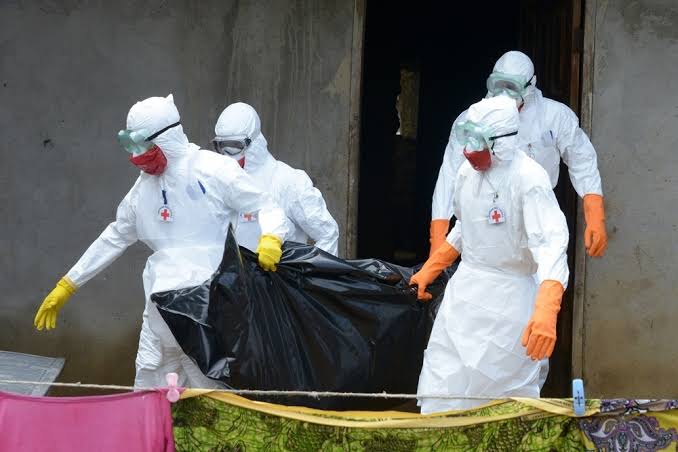
The wider response effort continues to face serious obstacles beyond the science. Tedros said an Ebola treatment center in Ituri province was attacked and set on fire this week, killing two people, amid community mistrust over burial protocols for Ebola victims. WHO officials affirmed that such incidents, compounded by conflict and displacement across the affected provinces, continue to hamper efforts to contain the outbreak even as the new treatment trial moves forward.