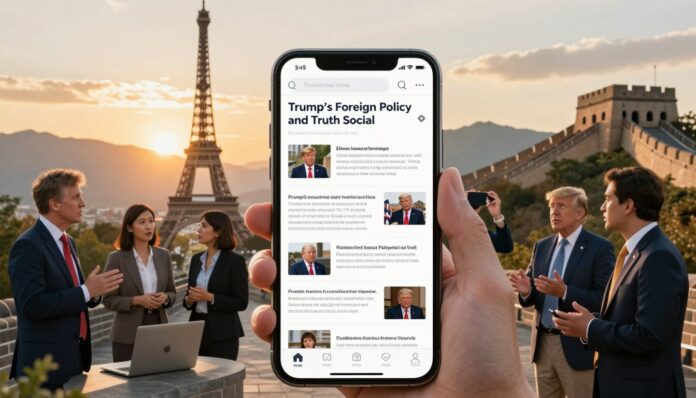
Digital platforms have fundamentally altered how American presidents communicate with both domestic audiences and the world. In 2026, Truth Social has become a primary channel for Donald Trump to signal foreign policy direction, bypassing traditional diplomatic channels and mainstream media.
By examining Trump’s recent posts, clear patterns emerge in how his administration approaches international relations — often transactional, rapid, and highly personalized.
The Shift Toward Digital Diplomacy
Trump’s use of short, direct messages represents a continued evolution from formal statecraft to real-time communication. This approach allows him to set the global agenda quickly, test reactions, and speak over the heads of foreign ministries and traditional gatekeepers. However, it also increases the risk of misinterpretation and diplomatic friction.
Themes in Trump’s 2026 Foreign Policy Posts
Trump’s recent activity on Truth Social highlights several consistent priorities. On transatlantic relations and NATO, he has repeatedly emphasized burden-sharing, criticizing European allies for insufficient defense spending. His messaging suggests a more transactional stance: security guarantees may depend on measurable financial contributions rather than automatic obligations.
On trade and tariffs, posts frequently highlight proposed measures targeting key sectors including automotive parts, electronics, and agriculture. The rhetoric points toward using tariff threats as leverage to renegotiate trade deals and protect domestic manufacturing, creating immediate market uncertainty while aiming to strengthen America’s negotiating position.
In the Middle East, Trump’s updates reflect a preference for decisive and flexible action over prolonged diplomatic engagements. Recent posts indicate a willingness to take stronger measures against Iran and a focus on partnerships that deliver immediate economic or security benefits.
Regarding the US-China rivalry, the platform has been used to signal continued decoupling efforts in critical technologies such as semiconductors, AI, rare earth minerals, and telecommunications. The tone reinforces a competitive, zero-sum view of the relationship, with emphasis on reducing dependence on Chinese supply chains.
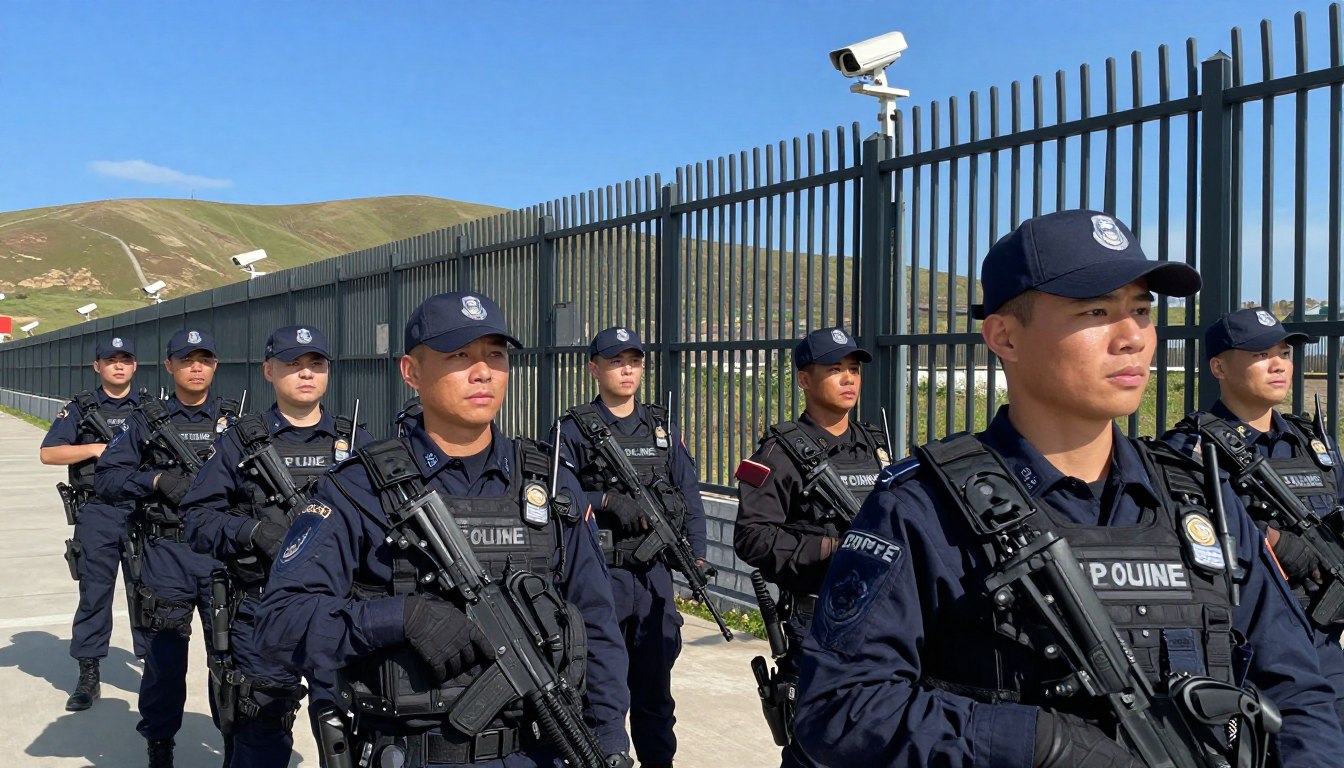
Trump has also increasingly linked foreign policy to domestic border security. Posts show efforts to pressure neighboring countries by tying trade and aid to migration management, treating border control as a core element of bilateral relations.
Strengths and Risks of This Approach
This direct style offers advantages in speed, clarity of intent, and strong domestic signaling. It allows Trump to maintain consistent messaging with his base while putting immediate pressure on foreign governments.
However, analysts note significant risks. Unfiltered posts can complicate sensitive negotiations, create unnecessary escalation, and undermine traditional diplomatic efforts that rely on confidentiality and nuance. The approach also raises questions about congressional oversight and long-term policy coherence.
What It Means for 2026 and Beyond
Trump’s heavy reliance on Truth Social suggests American foreign policy in 2026 and beyond will remain unpredictable, personality-driven, and focused on short-term gains. Traditional allies and adversaries alike are adapting by monitoring the platform closely for early signals.
This communication style is redefining how global power is exercised in the digital age making foreign policy more transparent to the public but potentially less stable in execution.