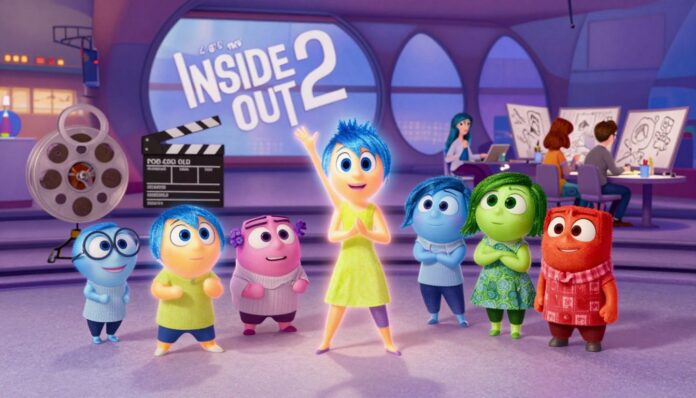
The latest Disney Pixar sequel has broken all records, becoming a huge hit worldwide. People from all over have loved this emotional story. It has made a lot of money, proving its success.
This movie has set a new standard for animated films. It shows that great stories can win over fans of all ages. And it can do well at the box office too.
Critical acclaim has kept the movie’s success going strong. By mixing art and popularity, Inside Out 2 has made a lasting mark in cinema.
Key Takeaways
- The film achieved unprecedented financial success worldwide.
- It established a new standard for modern animation quality.
- Strong audience engagement drove its long-term box office performance.
- The project successfully balanced critical praise with mass appeal.
- It stands as a defining moment for contemporary family entertainment.
The Record-Breaking Opening Weekend
When the curtains rose on the opening weekend, a historic shift in box office performance was seen. The film did not just meet expectations; it redefined what’s possible for an animated feature today.
This massive success marked a strong return for family entertainment. Audiences flocked to theaters in numbers unseen since before the pandemic. It showed that the hunger for top-notch animation is as strong as ever.
Surpassing Expectations at the Domestic Box Office
The domestic box office figures were extraordinary. The film set a new benchmark for opening weekend revenue in the United States.
- Record-breaking ticket sales across all major theater chains.
- High occupancy rates in premium large format auditoriums.
- Strong performance across both urban and suburban markets.
This surge in attendance shows a big change in how people behave. Families now see major animated releases as key cultural events, not just casual fun.
Global Reach and International Market Performance
Beyond the domestic success, the film showed impressive global market reach. International territories played a big part in the early financial success. This shows the movie’s themes connect deeply with different cultures.
| Region | Market Impact | Growth Trend |
|---|---|---|
| North America | Exceptional | High |
| Europe | Strong | Steady |
| Asia-Pacific | Rapid | Surging |
The film’s global appeal is clear. By reaching audiences worldwide, the studio made sure the opening weekend success kept growing globally.
Inside Out 2 Financial Milestones and Industry Records
The financial journey of Inside Out 2 has changed the game for modern animation. It has broken records and become a huge commercial success. Its extraordinary box office numbers show a big change in how people watch animated stories.
Fastest Animated Film to Reach Billion-Dollar Status
This sequel quickly became the first animated film to hit a billion dollars. It beat out many big movies from the last ten years. This fast success shows how much people want to see more of the franchise.
Experts say ticket sales kept going strong for weeks. This kept the movie’s popularity high, unlike other films. These animated film records show that family movies are still very popular.
Comparing Performance Against Previous Pixar Hits
This sequel is a big hit compared to Pixar’s past movies. It made a lot of money fast, unlike other Pixar films. It has set a new standard for future movies.
The consistent growth of its success is unique. By looking at these animated film records, experts can see how cinema is changing. The box office success of this movie shows the lasting appeal of the brand.
The Role of Audience Demographics in Sustained Growth
The success of this Disney Pixar sequel shows a big change in how families watch movies. It appeals to both old fans and new viewers, making it a big hit. Knowing who watches the movie helps us see why it keeps doing well even after it first comes out.
Multi-Generational Appeal and Family Attendance
The movie works because it touches both kids and adults in different ways. Parents who loved the first movie now take their kids to see it. This makes theaters a top spot for family fun.
The table below shows how different ages help the movie stay popular:
| Age Group | Primary Motivation | Engagement Level |
|---|---|---|
| Children (Under 12) | Visual humor and characters | High |
| Young Adults (18-34) | Nostalgia and social trends | Very High |
| Parents (35+) | Family bonding and quality | Moderate |
The Impact of Positive Word-of-Mouth and Social Media
Word of mouth and social media have been key in keeping the movie alive. Fans share their feelings and favorite parts online. This online excitement has helped the movie reach more people worldwide.
“The ability of a film to sustain its audience through genuine word-of-mouth is the ultimate indicator of its quality and cultural relevance.”
— Industry Analyst
Good reviews from early viewers helped keep ticket sales up. When people connect deeply with a movie, they tell others to see it. This shows that a great story can still succeed even when there are many movies out.
Strategic Release Timing and Competitive Landscape
Timing is key to success at the box office in the summer movie season. Studios spend years studying trends to pick the best release date. They aim for a time when schools are out and families are free, boosting their chances of success.

Navigating the Summer Movie Season Schedule
The release strategy for this sequel was a true example of calculated positioning. It launched when people were ready for quality family movies. This move gave it a strong start before other big movies hit theaters.
The studio planned well to keep the movie top of mind for viewers all season. This strategy helped it break animated film records by keeping attendance high. It showed that planning is as crucial as the movie’s quality.
Lack of Direct Competition in the Animated Genre
The film’s success was also due to the lack of direct competition. The summer movie season is usually packed, but this film had the family market almost to itself. Without rivals, it could grab a bigger share of the audience.
Families saw this sequel as the obvious choice for a good movie night. With no other big animated films around, it had a long run of exclusivity. This helped it keep its box office momentum and earn a spot in history.
Critical Reception and Its Influence on Ticket Sales
When picking a movie, people often look at what critics say. The critical reception of a film shows its quality. This helps those unsure about buying a ticket decide.
In the case of the latest Disney Pixar sequel, great reviews kept the buzz alive. Even after the first weekend, people kept coming.
Review Aggregator Scores and Audience Sentiment
Review sites are key for movie marketing today. High scores make families feel safe about their movie plans. It shows the film meets high standards.
Audience opinions also matter a lot. Good talk and social media buzz keep theaters full. This word-of-mouth is more powerful than ads, coming from fans who loved the movie.
The Importance of Brand Trust in Disney and Pixar
The success of this film also comes from brand trust. Disney and Pixar have built a name for quality animation over years. People trust these names, making them choose these movies over others.
This trust helps the movies stand out, even when there are many choices. The table below shows how good reviews and trust lead to box office success.
| Metric | High Critical Score | Strong Brand Trust | Box Office Impact |
|---|---|---|---|
| Casual Viewer Interest | High | High | Significant Growth |
| Repeat Attendance | Moderate | High | Steady Revenue |
| Social Media Buzz | High | Moderate | Viral Reach |
Marketing Campaigns and Promotional Partnerships
To understand the film’s success, we must look at its marketing efforts. The studio ran sophisticated marketing campaigns to attract both old fans and new viewers. They timed these efforts to match the film’s critical reception, boosting ticket sales.

Leveraging Nostalgia for the Original Film
The studio used the emotional bond fans had with the first film. They brought back familiar characters and themes. This nostalgia-driven approach was key to their marketing campaigns, drawing in fans who grew up with the franchise.
This strategy was more than just looking back. It welcomed a new generation to the franchise’s world. The critical reception of the first film helped make the sequel a must-see. It turned the film into a cultural event, not just another sequel.
Merchandising and Cross-Platform Advertising Efforts
The film stayed in the public eye through various partnerships. Characters were everywhere, from social media to retail. These cross-platform efforts kept the movie top of mind, driving theater visits.
The table below shows the main ways to keep the audience engaged:
| Channel Type | Primary Objective | Impact Level |
|---|---|---|
| Social Media | Viral Engagement | High |
| Retail Partnerships | Brand Visibility | Medium |
| Digital Advertising | Conversion Tracking | High |
| Influencer Outreach | Audience Trust | Medium |
These strategies helped keep the film’s momentum going. By combining strategic partnerships with knowing what the audience wants, the studio thrived. This approach made the film a big hit in the industry for a long time.
The Evolution of Pixar’s Box Office Strategy
Pixar is making a comeback in the film world. They’ve gone back to focusing on the magic of the big screen. This change shows their commitment to theatrical exclusivity for lasting success.
Transitioning from Streaming-First to Theatrical Exclusivity
When the world was locked down, Pixar turned to digital screens. This kept their brand alive but lost some of the big-screen charm. Now, they’re back to theatrical exclusivity, making their movies must-see events in theaters.
This move is more than just a change in plan. It’s about winning back the trust of their fans. Knowing a movie will only be in theaters makes it more valuable. This way, Pixar can get the most out of their big releases before they hit home media.
Balancing Original IP with Established Franchises
Pixar has to balance new ideas with old favorites. New stories are key for innovation, but old ones bring in the money. Strategic marketing campaigns help mix these two worlds.
Using the success of well-known franchises helps keep brand trust high. At the same time, they slowly introduce new ideas. This mix keeps Pixar both profitable and creative. Their aim is to keep a steady flow of projects that support their legacy.
Economic Impact on the Theater Industry
A tough year for movie theaters got better with the big hit of an animated film. The economic impact of this film is huge. It’s not just about ticket sales. It’s a big financial help to theaters all over the U.S.
In a shaky summer movie season, this film was a steady source of income. It kept revenue flowing when other movies were struggling to stand out.

Boosting Attendance During a Challenging Fiscal Year
The box office performance of this sequel brought more people to theaters. Families came back in big numbers. This boosted sales of snacks and drinks and made theaters more lively.
This increase in visitors was a lifeline for local cinemas. The film attracted people of all ages. It made theaters key places for fun, even when money was tight.
The Significance of Premium Large Format Screenings
The use of premium large format (PLF) screens also helped the industry. These special theaters let theaters charge more for tickets.
People loved the better sound and picture of these formats. This shows how premium large format can make theaters more profitable. Even with the same number of seats, these movies are crucial for theaters’ success.
Long-Term Projections and Home Media Potential
This blockbuster’s journey doesn’t end at the cinema. It thrived with theatrical exclusivity and premium large format screenings. Now, its life is just starting, with home media expected to boost studio revenue.
Anticipating the Digital and Physical Release Window
The studio plans a staggered release to keep interest high. Digital stores see a spike after the movie leaves theaters. Meanwhile, physical media collectors keep the value of high-definition discs steady.
This strategy lets the film reach more homes, balancing convenience with quality. By timing releases well, the studio keeps the movie in the public eye. It bridges the cinema and home experience.
Legacy Value and Future Franchise Expansion
The film’s lasting popularity makes it a key part of the studio’s library. Its appeal across generations is crucial for a lasting legacy. This broad appeal sets the stage for future franchise expansion.
Executives are using this success to plan for the future. The film has shown a proven roadmap for sequels and spin-offs. This investment keeps the studio’s portfolio strong and culturally relevant for years.
Conclusion
Inside Out 2 shows that great stories are still key in movies. Disney and Pixar drew fans worldwide with their emotional stories and smart release dates. This move shows a big change in how people watch big movies.
The film’s success also shows how movies can boost the economy. When families go back to the cinema, theaters win. This trend looks good for movies that focus on being creative.
Now, studios aim to grow by making more of their favorite stories. By expanding on known worlds, they connect with viewers of all ages. This success story reminds us that people love stories that touch their hearts.
What do you think about Pixar’s future? What emotions should they explore next? Your thoughts help shape the next big movies.
FAQ
What specific box office records did Inside Out 2 break during its opening weekend?
Inside Out 2 made history by getting the biggest opening weekend for an animated film worldwide. It also broke records at the domestic box office, beating early predictions. This made it a key player in bringing back family movies to theaters.
How long did it take for the film to reach the billion-dollar milestone?
Inside Out 2 became the fastest animated film to hit $1 billion in just 19 days. This fast climb shows how quickly people bought tickets and kept watching the movie globally.
What demographic groups contributed most to the movie’s sustained growth?
The film’s success comes from its appeal to all ages. It drew back fans from the 2015 movie and attracted a new generation of kids. Social media buzz and positive reviews also helped.
How did the release timing influence the film’s dominance in the market?
Disney and Pixar picked the perfect time to release it, during the summer. This was when there was little competition in animated movies. This choice helped it stay top choice for families for weeks.
Did critical reception play a significant role in ticket sales?
Yes, great reviews were a big help. High scores and trust in Pixar made people want to see it. This kept interest high even after the first week.
What shift did Pixar make in its distribution strategy for this sequel?
Pixar went back to showing movies in theaters instead of streaming them first. This move helped bring in more money for the studio and theaters.
How did marketing and promotional partnerships support the film’s theatrical run?
The marketing used nostalgia and introduced new characters. It also had lots of merchandising and ads. This kept the movie in the public eye.
What was the economic impact of Inside Out 2 on the theater industry?
The movie was a big help to theaters during a tough year. It made more money from special formats like IMAX. This helped theaters make more money per screen.
What are the long-term projections for the Inside Out franchise following this success?
The movie’s success means big things for the franchise. Analysts think it will do well on home media. This success sets the stage for more movies and content for Disney+.