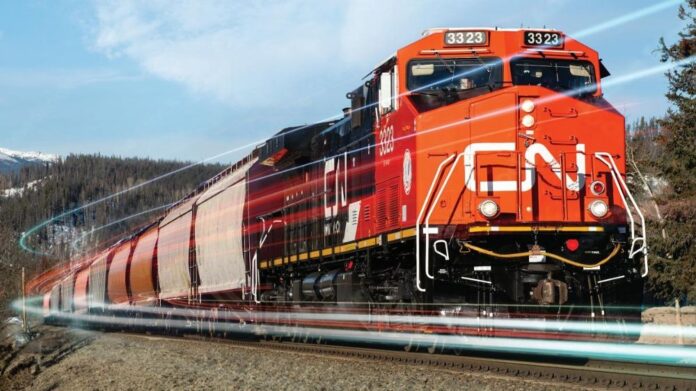
Canadian rail officials are working to determine what caused a freight derailment in northern Minnesota early Saturday, after more than a dozen cars left the tracks near the small border community of Warroad.
A spokesperson for Canadian National Railway said roughly 18 rail cars were found derailed in various positions shortly after 4:50 a.m. The incident occurred just south of the Manitoba Minnesota border, in a region defined by forests, waterways, and relatively light rail traffic compared to major freight corridors.
Warroad, a town of just a few thousand residents, sits along Lake of the Woods and lies about 170 kilometres southeast of Winnipeg. The area is a key link in cross border rail movement between central Canada and the northern United States, making even minor disruptions noteworthy for regional logistics.
Ashley Michnowski, speaking on behalf of CN, said there were no reported injuries following the derailment. She also confirmed there were no fires or hazardous material leaks associated with the incident, easing initial concerns about environmental or public safety risks. “No crossings have been impacted,” she added, suggesting that road and local transportation routes remained open despite the derailment.
Derailment in a remote corridor
The derailment appears to have taken place in the early hours when rail traffic is typically lighter and visibility conditions can be more challenging. While the exact cause remains under investigation, initial reports indicate the cars came off the tracks in scattered positions, a detail that often complicates cleanup and recovery efforts.
Images and accounts from similar incidents suggest that derailed freight cars can twist, tilt, or separate from one another depending on speed, cargo weight, and track conditions at the time of the accident. In this case, officials have not yet disclosed what the train was carrying, a detail that will likely become clearer as the investigation progresses.
CN crews were dispatched quickly to the site, working alongside local first responders who arrived to secure the area and assess any immediate risks. By Saturday afternoon, both railway personnel and emergency services remained on scene, coordinating efforts to stabilize the cars and begin the process of clearing the tracks.
Despite the relatively remote location, derailments can pose significant logistical challenges. Heavy equipment is often required to lift and reposition rail cars, and damaged sections of track may need to be repaired or replaced before normal operations can resume.
Safety record and investigation underway
Canadian National Railway operates one of the largest rail networks in North America, spanning thousands of miles across Canada and into the United States. The company transports a wide range of goods, from agricultural products to industrial materials, making safety a critical component of its operations.
Railway accidents in remote areas like northern Minnesota are not uncommon, but most do not result in injuries or major environmental damage. Still, each incident is closely scrutinized, particularly when it involves multiple cars leaving the tracks.
Investigators will likely examine several factors, including track conditions, weather at the time of the derailment, the mechanical condition of the train, and any potential human factors. Data from onboard systems, as well as trackside monitoring equipment, can provide detailed insights into speed, braking patterns, and other variables leading up to the event.
Federal and regional transportation authorities in the United States may also become involved, depending on the findings and whether the derailment meets thresholds for further review. Cross border rail operations add another layer of complexity, as both Canadian and American regulatory frameworks can come into play.
Limited impact but ongoing work
For now, officials have emphasized the absence of injuries, fires, or leaks as a positive outcome in what could have been a far more serious situation. The fact that no crossings were affected also means local residents and travelers have avoided significant disruption.
Even so, the work on the ground is far from over. Clearing 18 derailed cars can take hours or even days, depending on how severely they are damaged and how accessible the site is. Crews must ensure that each car is safely removed and that any compromised track infrastructure is fully repaired before trains can pass through again.
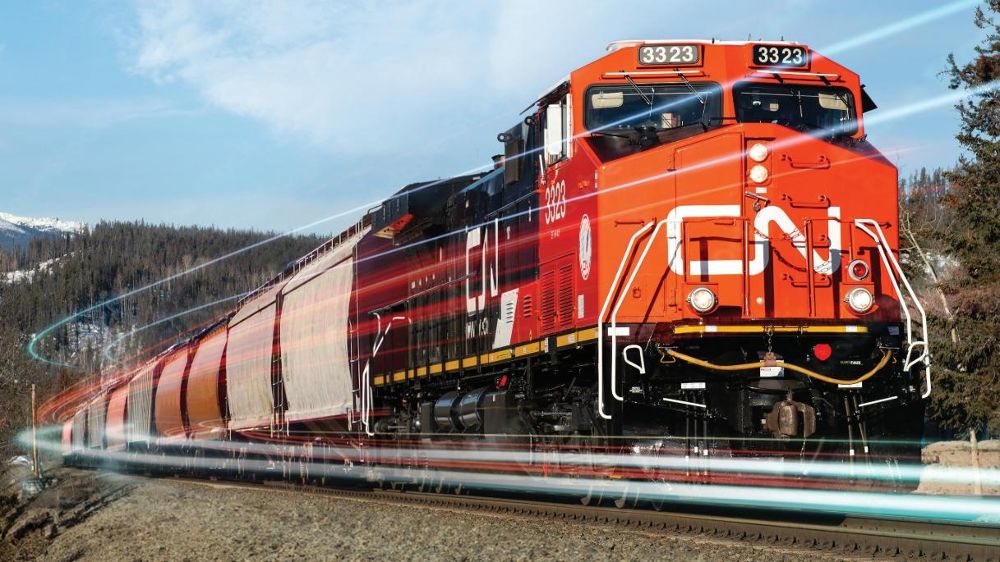

As the investigation continues, CN has not indicated when full service on the affected line will resume. For communities like Warroad and nearby cross border regions, the incident is a reminder of how critical rail connections are, even in quieter corners of the continent.
Authorities say updates will be provided as more information becomes available, including details on the cause of the derailment and the timeline for restoring normal operations.