Authorities in Nigeria have secured the release of around 100 abducted schoolchildren, offering a measure of relief in a case that has once again drawn global attention to the country’s worsening security crisis.
The children were among hundreds kidnapped in a large-scale attack on a Catholic school earlier this year. While their release marks a significant breakthrough, officials confirmed that more than 150 pupils and several members of staff remain in captivity, underscoring the continuing threat posed by armed groups operating across the country.
A Partial Breakthrough
The freed students were handed over to authorities following negotiations, though details of the process remain unclear. Nigerian officials have not disclosed whether any ransom was paid or if security forces played a direct role in securing their release.
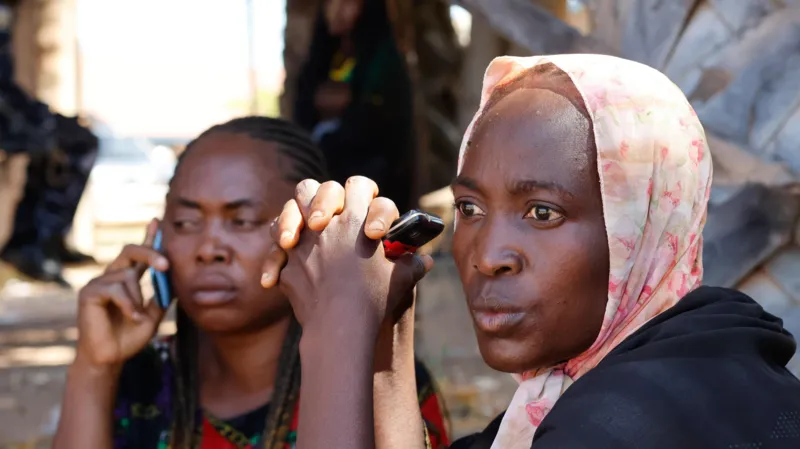
Families of the victims expressed mixed emotions, relief for those reunited with loved ones, but deep anxiety for those still missing. In many cases, parents have been waiting months for news, relying on sporadic updates and uncertain negotiations.
Kidnappings of this scale have become increasingly common in Nigeria, particularly in rural and conflict-prone regions where schools are often vulnerable targets.
Nigeria’s Growing Kidnapping Crisis
Mass abductions for ransom have evolved into a lucrative enterprise for criminal gangs and armed groups. Schools, especially boarding institutions, are frequently targeted because they offer large numbers of potential hostages.
This trend gained global attention after the 2014 abduction of more than 270 schoolgirls in Chibok by extremist group Boko Haram, an incident that sparked international outrage and the #BringBackOurGirls campaign.
Since then, similar attacks have continued across northern and central Nigeria, carried out not only by jihadist groups but also by loosely organized bandit networks seeking financial gain.
The persistence of these incidents highlights deep-rooted security challenges, including weak law enforcement in remote areas, limited intelligence capabilities, and the proliferation of armed groups.
A Broader Pattern of Violence
Nigeria has faced years of overlapping security crises. In the northeast, the long-running insurgency by Boko Haram and its splinter factions has led to tens of thousands of deaths and widespread displacement.
 Meanwhile, central and northwestern regions have seen a surge in banditry, communal clashes, and mass kidnappings. Attacks on villages, religious sites, and schools have become disturbingly frequent, contributing to a climate of fear and instability.
In some cases, entire communities have been forced to abandon their homes, while schools have shut down temporarily due to safety concerns.
Pressure on Authorities
The Nigerian government has repeatedly pledged to end mass kidnappings and improve security, but progress has been uneven. Critics argue that responses are often reactive rather than preventive, and that negotiations with kidnappers may inadvertently encourage further abductions.
Security analysts warn that without addressing underlying issues such as poverty, unemployment, and the availability of weapons—the cycle of violence is likely to continue.
For now, the release of the children offers a rare moment of hope. But for the families of those still held, the ordeal is far from over.